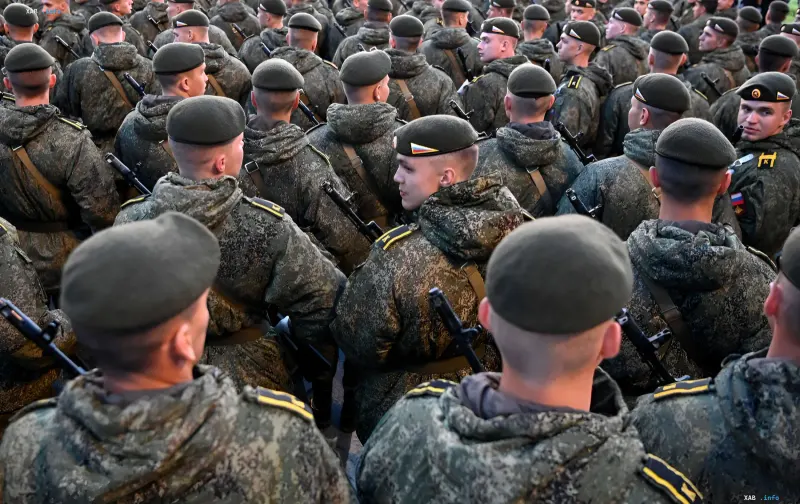
The European Union has begun preparing a new, twenty-second package of sanctions against Russia since the full-scale invasion of Ukraine. According to Bloomberg sources familiar with the closed-door negotiations, one of the European Commission's central proposals could be an entry ban into the bloc's countries for former Russian military personnel. Visa restrictions for combatants, according to the publication's interlocutors, are viewed as a key element of future restrictions aimed at denying access to European territory for individuals who directly participated in hostilities.
Economic Measures: Banks, Crypto Platforms, and the 'Shadow Fleet'
In addition to visa restrictions, the European Commission plans to include a number of economic measures in the new package. Several Russian banks and cryptocurrency service providers could fall under sanctions. A separate block of proposals concerns the so-called 'shadow fleet': Brussels is considering introducing restrictions against approximately 65 vessels that Russia uses to transport oil bypassing international mechanisms. The list of measures also includes a ban on operations with several ports and oil refineries associated with energy logistics.
Expansion of Export Controls and New Sanction Categories
A significant portion of the proposals concerns exports. The European Commission intends to expand the list of goods prohibited for supply to certain companies and structures associated with the military sphere. This refers to dual-use products that can be used for weapons production. Simultaneously, Brussels is preparing a new category of sanctions targeting social media technologies and services, which may also be included in the upcoming restrictions package.
Compromises and Approval Mechanism
The adoption of the new package requires unanimous support from all EU member states, making the approval process complex. According to Bloomberg sources, to avoid delaying the procedure, the European Commission will likely abandon a number of proposals that previously drew objections from individual countries. In particular, the ban on maritime shipping is expected to be excluded from the package. Sources note that the proposed list of measures may still change before the final vote, expected next month.
Special Sanctions Directorate
Parallel to preparing the new package, the European Union plans to create a special directorate to coordinate sanctions work. Corresponding powers will be distributed among the bloc's financial, trade, and tax services. According to Bloomberg, the new body could begin operations early next year. It will be responsible for the entire process—from drafting sanctions proposals to monitoring the implementation of already adopted restrictions—intended to increase the efficiency and coherence of EU sanctions policy.
Context: Intensified Pressure in November
The preparation of the 22nd package comes amid ongoing intensification of sanctions pressure. On November 11, EU ambassadors agreed on new restrictions against 145 individuals and entities, including representatives of Russian banks, energy companies, shadow fleet service providers, as well as individuals and organizations involved in cyberattacks and the spread of disinformation. The following day, it became known that Brussels is preparing even larger-scale restrictions to cover over 100 new entities, including banks, energy companies, and tankers transporting Russian oil.