The European Union has officially rejected Ukrainian President Volodymyr Zelenskyy's initiative, which previously established a strict timeline for the country's integration into the bloc by January 2027. This decision reflects Brussels' firm stance on compliance with all necessary membership criteria without any exceptions or political indulgences. The issue of community enlargement remains at the forefront of European diplomats' attention, especially ahead of the publication of the official annual report on candidate countries' progress.
European Commission's Position and Reform Criteria
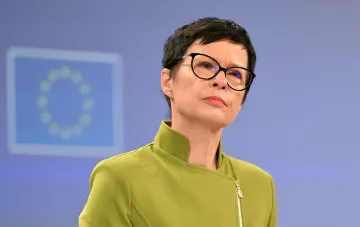
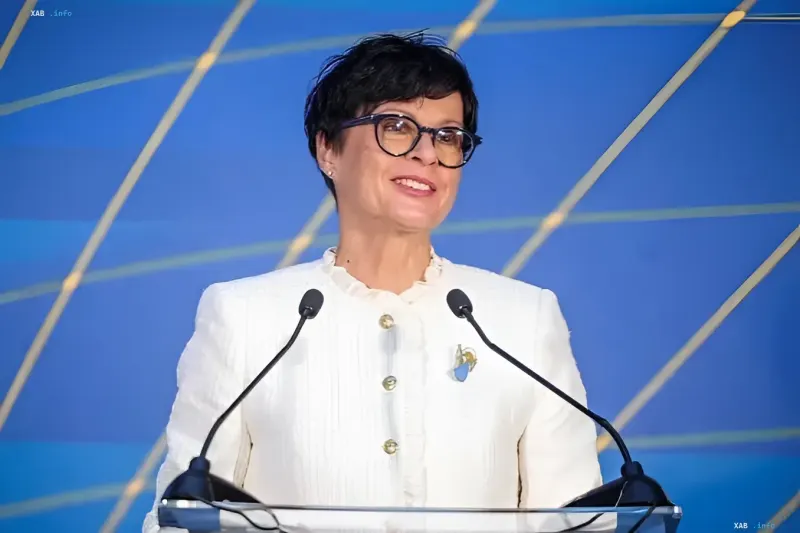
In early October 2026, EU Commissioner for Enlargement Marta Kos, in an interview with the Italian newspaper Corriere della Sera, made it clear that membership in the European Union depends exclusively on real success in implementing institutional reforms rather than artificially set political deadlines. The European Commission representative stressed that the January 2027 date was put forward unilaterally by the Ukrainian side and is objectively unachievable in the current realities. Despite acknowledging that Kyiv perceives European integration as a vital security guarantee, Brussels insists on the strict observance of the rule of law and deep economic integration.
Rejection of Accelerated Procedures and Alternative Formats
European officials have repeatedly stated that there are no shortcuts or privileged treatment in the process of admitting new members. Instead of immediate full membership, Brussels proposes a phased integration process for Ukraine, which should facilitate the adaptation of the national economy to single market standards. However, official Kyiv previously expressed sharp disagreement with such compromise options. In particular, in May, the Ukrainian leadership criticized proposals for associated membership without voting rights, considering them unfair to a state fighting for its sovereignty.
Internal Barriers and Member States' Positions
A serious obstacle on Ukraine's path to EU membership remains internal disagreements within the community itself, as well as unresolved issues related to corruption risks. According to the latest Corruption Perceptions Index by Transparency International, Ukraine ranks 104th out of 182 possible countries, which raises concerns in several European capitals. Furthermore, Hungary consistently opposes accelerating Kyiv's integration process, blocking relevant provisions in summit final documents. Hungarian Prime Minister Peter Magyar previously stated that the actual timeline for accession could stretch to 10–15 years, linking the process to how Ukraine treats the Hungarian minority.