The European Union is developing special indicative roadmaps for four candidate countries demonstrating the highest progress on their European integration path. This group of frontrunners includes Montenegro, Albania, Moldova, and Ukraine, whose reform efforts have received high praise in Brussels. The presentation of these strategic documents is scheduled for October 28, marking an important step in structuring the negotiation process.
Objectives and Specifics of Future Roadmaps
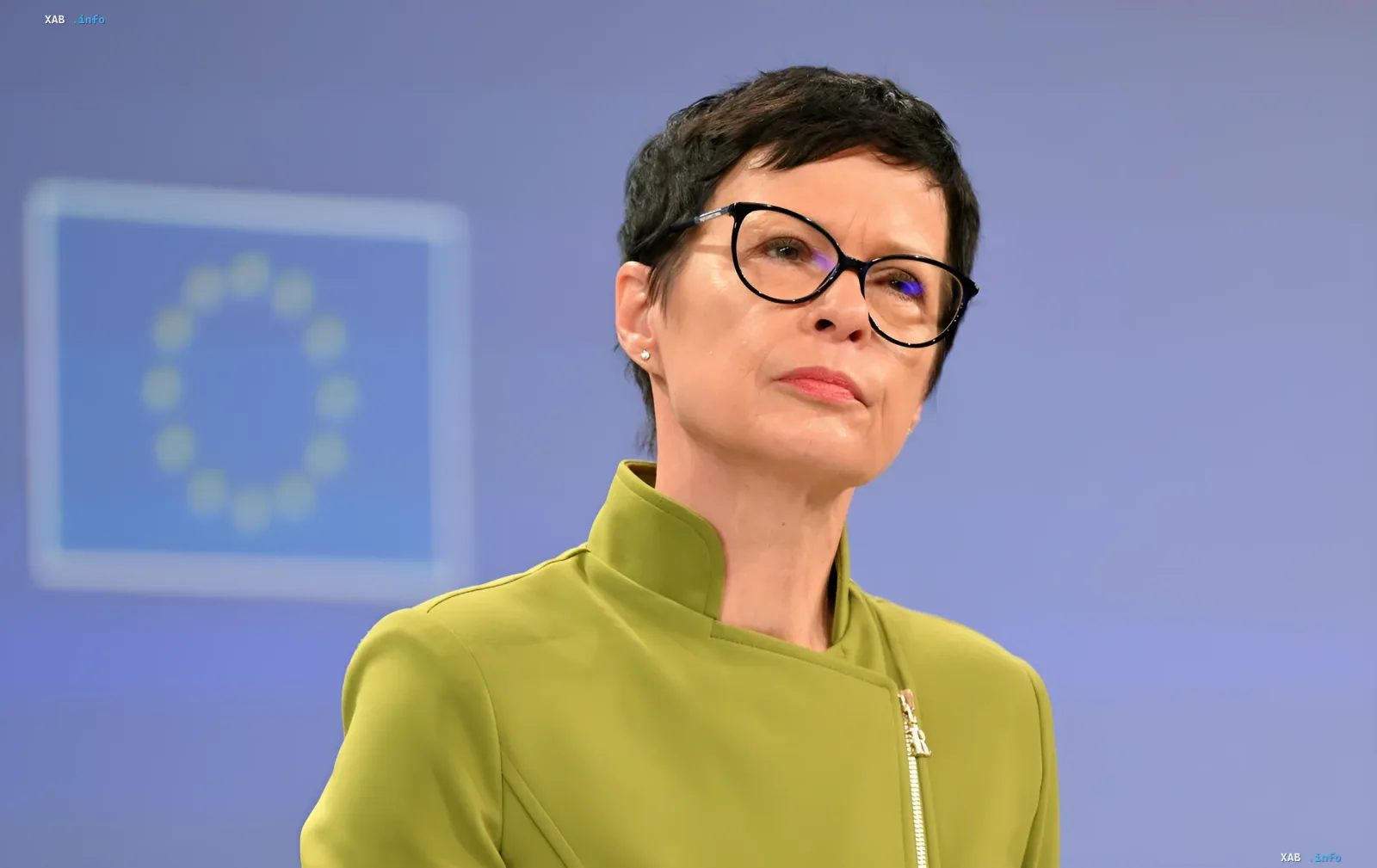
According to EU Commissioner for Enlargement Marta Kos, the main goal of the initiative is to help candidate countries maintain the pace of reforms and ensure maximum predictability of negotiations. The roadmaps will define indicative timelines and specific tasks required to bring states closer to full membership. At the same time, the Commissioner emphasized the unchanged fundamental principle of the European Union: each state's integration path continues to be based solely on its individual achievements.
Special Conditions and Impact of War on the Ukrainian Case
Despite a common strategic approach, the Ukrainian roadmap will differ significantly from the documents prepared for Montenegro, Albania, and Moldova. The primary reason is the ongoing full-scale war, which leaves a unique imprint on all areas of public life and governance. Brussels is factoring this in as part of large-scale technical negotiations, which include the sequential opening of negotiation clusters, meeting benchmarks, and subsequently closing the acquis communautaire chapters.
Expert Assessments and Integration Prospects
European institutions and the expert community are actively discussing how geopolitical realities and the consequences of hostilities will be reflected in the final accession treaty for Ukraine. Brussels expresses hope for an early end to the conflict while simultaneously continuing to shape flexible adaptation mechanisms. In particular, alongside roadmap discussions, the EU is considering additional proposals, including potential restrictions on support for certain sectors of the Ukrainian economy, such as agriculture, during the transition period after membership.