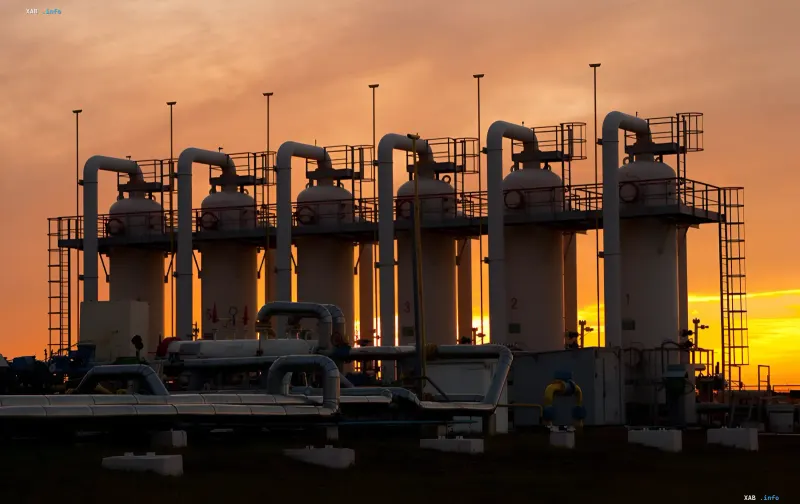
On November 8, 2026, the Vulcănești–Chișinău high-voltage power transmission line was officially commissioned in Moldova. The route is approximately 157 km long: it connects the southern part of the country with the capital and establishes an additional route for electricity supplies from Romania and the European energy system. At the opening ceremony, President Maia Sandu stated that Moldova no longer purchases Russian gas and called the launch of the line another step towards the republic's energy independence from Moscow.
New Infrastructure and Its Significance
According to the head of state, the Vulcănești–Chișinău line makes it possible to diversify electricity supply routes and reduce the risks of power outages. The key objective of the new route is to gradually replace the electricity that Moldova previously received from the Moldovan SDPP in Transnistria, a facility owned by Russia's Inter RAO that met a significant portion of the country's needs. "No one will be able to blackmail us anymore, cut off electricity, or turn off the heating," Sandu emphasized, adding that for decades energy has been used by Moscow as a tool of pressure.
"Zero Russian Gas" and Future Plans
In her post on the social network X, the President of Moldova formulated the authorities' position directly: "Moldova buys zero Russian gas, and two more power lines to Romania are on the way." Chișinău's plans include the construction of the Bălți–Suceava and Strășeni–Gutinaș routes. The latter project, known as the Trump Liberty Line, involves further integration of the energy systems of Moldova and Romania; the US has approved $130 million in financing for its implementation. At the same time, according to specialized publications, the Vulcănești–Chișinău line was implemented on credit: the World Bank allocated a €61 million loan for its construction, and the transition to more expensive imported current from Romania is already reflected in rising tariffs for consumers.
Position of Moscow and the Opposition
The Russian Foreign Ministry and Gazprom have repeatedly rejected accusations of "energy blackmail," emphasizing that the Russian side supplied energy resources to the republic for decades and fulfilled contractual obligations, while the Moldovan authorities, according to their version, terminated cooperation themselves. The opposition also makes statements contradicting the authorities' course: Party of Socialists leader Igor Dodon stated that during his visit to Moscow, agreements were reached on resuming Russian gas supplies. Thus, the issue of gas supply remains the subject of public statements by both sides.
Broader European Context
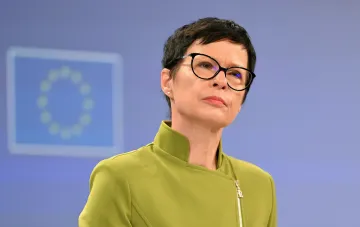
Moldova's move away from Russian gas fits into the overall trend of the European Union, which intends to reduce Russian gas imports to zero by the end of 2027, despite the energy crisis. Hungary, in turn, also plans to stop purchases of Russian natural gas by the autumn of 2027. In addition, it became known that the European Commission has ruled out the resumption of the Nord Stream gas pipeline after the end of the Russia-Ukraine war. The launch of the Vulcănești–Chișinău line, according to EU Enlargement Commissioner Marta Kos, has become an important step toward finally overcoming Moldova's dependence on Russian energy resources.