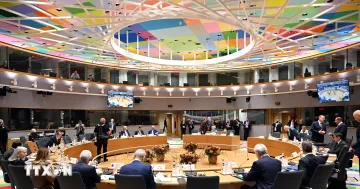
On October 16, 2026, a summit of European Union leaders was held in Brussels, where Ukrainian President Volodymyr Zelenskyy made a series of statements regarding European institutional support for Kyiv. The meeting took place against the backdrop of growing tension in relations between Ukraine and the United States, triggered in particular by issues surrounding the cessation of attacks on Russian oil refineries and the terms of the "energy truce" proposed by US President Donald Trump's administration.
Context: Washington's Pressure and the "Energy Truce"
According to sources, in recent days the White House has intensified pressure on Kyiv to halt strikes on Russian oil infrastructure. Ukraine suspended attacks on Russian oil refineries for three days at the request of the American side. However, as Zelenskyy stated, after Russia failed to meet the conditions of Trump's proposed "energy truce," Kyiv intends to resume the strikes. An additional factor of tension was the agreement reached last week allowing Russia to export diesel fuel, which, according to the Ukrainian president, left him with a sense of betrayal. On October 15, in an interview with Newsmax, Donald Trump, in turn, called Zelenskyy "a difficult person to work with.">
Zelenskyy's Address: Focus on Europe
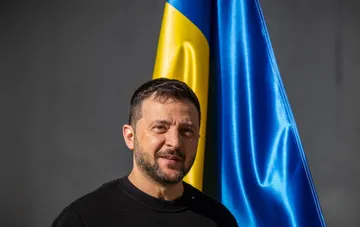
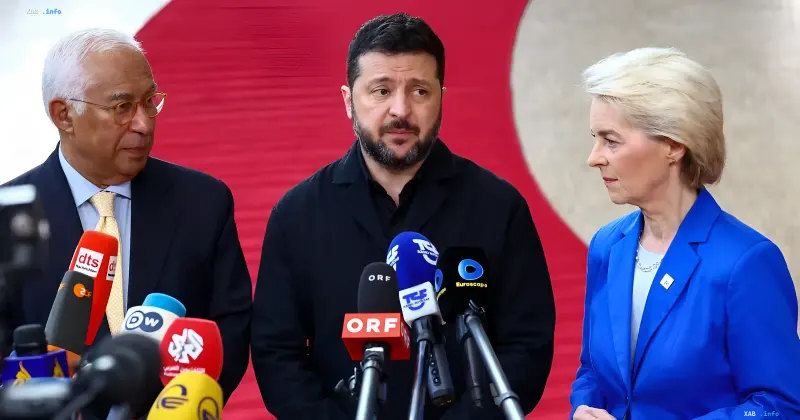
Arriving at the summit in Brussels, Zelenskyy did not mention the deterioration of relations with the United States, the disruptions in intelligence sharing between the two countries, or the problems with internet access via the Starlink system that Ukraine faced this week. Instead, the Ukrainian head of state focused on his partnership with the European Union. "I am extremely grateful for the enormous support we have received from the European Council, the European Commission, and European leaders — true leaders — who have been with us since the very beginning of this fight," he stated. Zelenskyy also noted that currently, Ukraine sees no signals from Russia indicating a readiness to end the conflict, and called "energy needs" one of the top priorities of his agenda ahead of the winter season.
EU Reaction: The 22nd Sanctions Package
EU leaders announced the preparation of a new, 22nd sanctions package against Russia since the start of the conflict. Unlike the stance of the Trump administration, European leaders stressed that restrictive measures against Moscow will continue to be tightened unless Russia halts military operations. European Commission President Ursula von der Leyen stated: "We supported Trump's proposal for a ceasefire in the energy sector, but Russia did not observe it for a single minute. Instead, Russia escalated the conflict. Therefore, we were forced to increase pressure on Russia.">
Kyiv's Requests: Air Defense and Funding
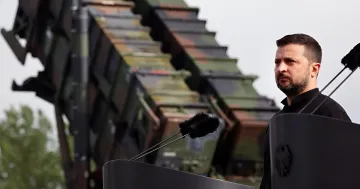
Zelenskyy urged EU leaders to increase the volume of financial and military assistance to Ukraine, primarily directing it toward additional air defense systems to protect civilian and energy infrastructure from ongoing Russian strikes. "We are talking not only about energy, but also about air defense and financing. I am very grateful to the EU for always supporting us," the Ukrainian president added. Of particular note is information received on October 15 from a CNN source: according to reports, Ukraine has run out of missiles for the American Patriot air defense system, making the country more vulnerable to Russian ballistic missile strikes.
Prospects
The Brussels summit took place at a time when diplomatic interaction between Kyiv and Washington is going through a series of difficulties, while European institutions are trying to strengthen their own role in supporting Ukraine. The issue of ensuring energy security ahead of the winter season and the adequacy of air defense assets remain key themes that will likely define the agenda for future contacts between Ukraine and its Western partners.