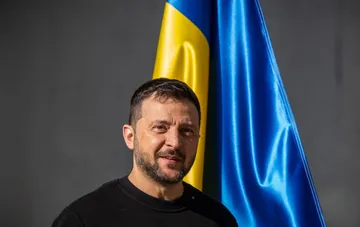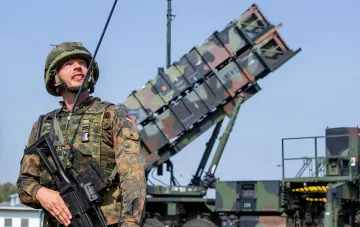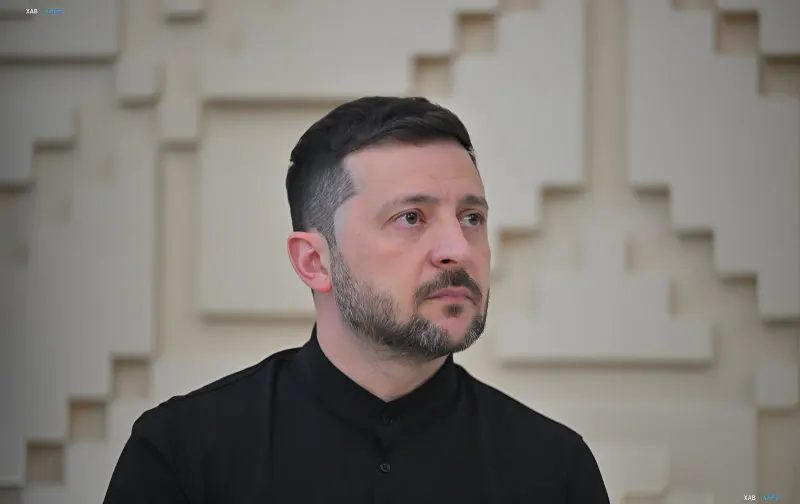
Amid daily strikes on energy infrastructure, Ukraine and Germany have focused on a practical issue: how to deliver interceptor missiles for Patriot systems more quickly. This was stated on November 4 by President Volodymyr Zelenskyy following a meeting with German Defense Minister Boris Pistorius in Berlin, where the Ukrainian delegation led by the head of state arrived on November 3. According to Ukrainian media reports, the visit's agenda included talks with the German leadership on strengthening air defense and supporting the energy sector.
Talks in Berlin: Energy system in focus
Zelenskyy briefed Pistorius on the situation regarding Russian shelling of critical infrastructure in virtually all regions of Ukraine. According to him, this is not about isolated incidents, but rather systematic pressure on the power grid, which makes the issue of intercepting missiles the number one priority for the winter period. It was this logic that the parties integrated into the agenda of the bilateral meeting.
Chronic shortage of interceptors
"There are very many strikes every day against our energy sector, and it is especially difficult with ballistics due to the chronic shortage of interceptors for Patriots. It is important to find new solutions to support the protection of lives," Zelenskyy stated. The president emphasized that Germany's support has repeatedly helped "protect thousands and thousands of lives," which is precisely why the issue of ammunition for Patriot has been brought to the center of negotiations.
PAC-2 contract and accelerated deliveries
A key practical item was the contract for the procurement of German-made PAC-2 missiles, spanning the next two years. "We are working to accelerate deliveries. This would significantly help Ukrainians get through this winter," Zelenskyy noted. According to him, the parties agreed that their respective teams would work out the possibility of acceleration and other discussed positions.
IRIS-T, F-16, and American PAC-3
In addition to PAC-2, the meeting discussed the supply of IRIS-T air defense systems and ammunition for F-16 fighter jets. Against this backdrop, Kyiv recalls that the US has approved a potential sale to Ukraine of 500 PAC-3 interceptor missiles for a total of $2.1 billion, but these missiles, by estimates, may arrive only in a few years. Therefore, accelerating the already concluded German contract for PAC-2 is perceived as a more operational tool.
Context: Deficit figures
The discussions in Berlin come against the backdrop of previously voiced data by Zelenskyy regarding the scale of ammunition shortages: according to him, during 2026, Ukraine received an average of about 12 Patriot missiles per month, while monthly consumption could reach 35 units, and missing interceptors had to be sought through other channels. The PURL program, which covers the supply of shells and ammunition for F-16, HIMARS, Patriot, and AIM, partially covers needs, with Europe paying for a significant portion of the procurement. It is this gap between needs and the pace of supplies that makes the issue of accelerating the German contract critical for getting through the winter.