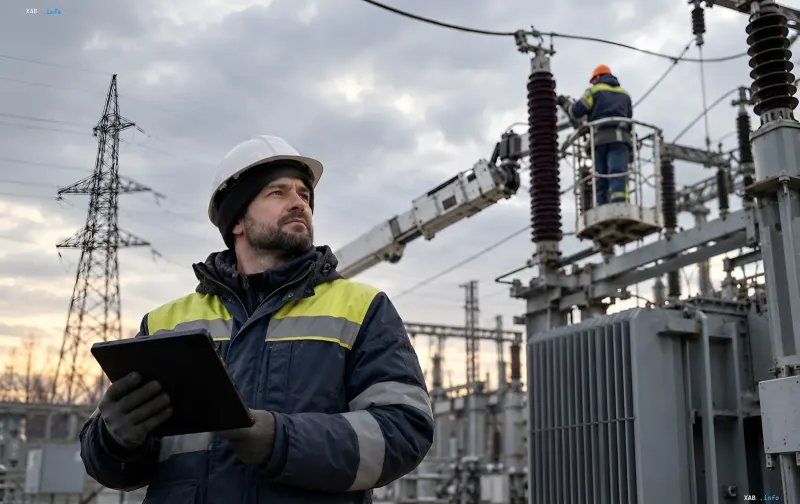
The German Ministry of Finance intends to provide Ukraine with an additional 100 million euros — approximately 113 million dollars — for the reconstruction of water, energy, and transport infrastructure damaged by Russian strikes. According to RBC-Ukraine, this was stated in a letter from the ministry to the parliamentary budget committee, as cited by Reuters. The funds, it is specified, will not only cover the damage from the bombings but will also be aimed at strengthening the resilience of the Ukrainian system against intensified attacks, as well as supplementing Ukraine's budget financing for 2026.
Purpose of funds and damage coverage
The letter emphasizes that the allocated 100 million euros will be part of a general support package and will be used to mitigate the consequences of the destruction caused by the Russian side. According to Berlin's assessment, these funds will cover needs that could not have been budgeted for in the federal budget in advance: "This need is unpredictable, as at the time of the adoption of the federal budget for 2026, the intensity of the conflict could not have been foreseen," the ministry notes. Thus, additional appropriations are viewed as an instrument for prompt response to the changing situation on the front and in the rear.
Scale of energy system destruction
Arguing for the necessity of aid, the German ministry provides data on the state of the Ukrainian energy sector: since the beginning of the Russian invasion in 2022, according to its information, about 80% of Ukraine's energy capacities have been destroyed. With the onset of winter, the burden on the system is increasing, and the October attacks, according to the letter, led to power outages in more than a third of the country's regions. It is in these conditions, according to Berlin's logic, that both the restoration of damaged objects and increasing infrastructure resilience to new strikes are critical.
Context of Berlin's financial support
The new allocation continues a line started back in September, when the German government sent 250 million euros to support Ukraine through the Ukraine Energy Support Fund. As noted in the materials, Chancellor Friedrich Merz's government remains the largest European donor for Ukraine, providing billions of dollars in military and other assistance. The new 100 million euros fit into this overall course and emphasize the priority of restoring civil sectors, on which the life support of the population depends during the winter period.
Upcoming summits and air defense coordination
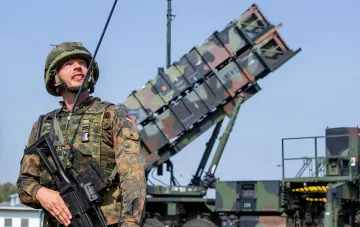
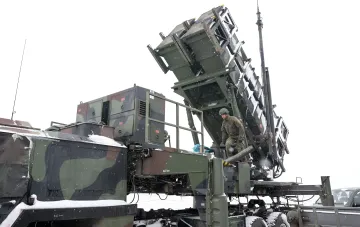
Berlin's financial decision coincides with the preparation of a series of diplomatic events. In the coming weeks, according to available data, a summit of the "Coalition of the Willing" is expected to be held in Berlin, where participants intend to coordinate aid to Ukraine, security guarantees after a possible ceasefire, and subsequent diplomatic steps. Simultaneously, Germany and the UK are looking for additional funds for air defense systems for Ukraine, and a plan for other partners is expected to be prepared by the meeting of the Ukraine Defense Contact Group ("Ramstein"), which is scheduled for November 17 in Brussels.