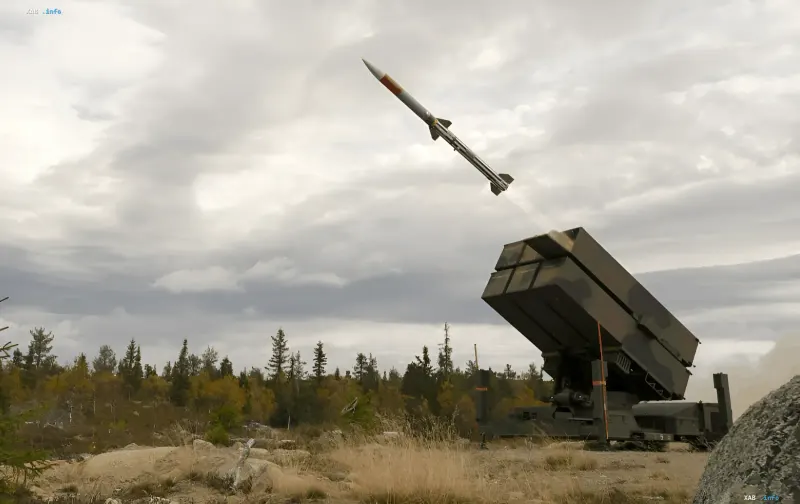
Ukraine and Norway, as part of their defense cooperation, are working on integrating new missiles into NASAMS air defense systems. This was reported by RBC-Ukraine, citing the press service of the Ministry of Defense of Ukraine. The issue of implementing projects to expand the arsenal of Norwegian air defense systems became one of the key topics of bilateral negotiations at the level of defense ministers, held ahead of the Ramstein-format meeting.
Phone Call Between Khmara and Sandvik: Priorities for 2026–2027
Ukrainian Defense Minister Yevhen Khmara held a telephone conversation with his Norwegian counterpart Tore Sandvik. The parties outlined priorities for supporting Ukraine until the end of the current year 2026 and for the upcoming year 2027. "We value the consistency of support and its strength. This gives us predictability and the opportunity to direct resources to the most pressing needs, primarily unmanned systems and the strengthening of air defense," Khmara stated. The wording emphasizes that for Kyiv, one-off aid is not enough; a systematic, predictable flow of supplies that allows for planning defense budgets and logistics for the future is critically important.
MANPADS, the PURL Mechanism, and Accelerating Air Defense Missile Deliveries
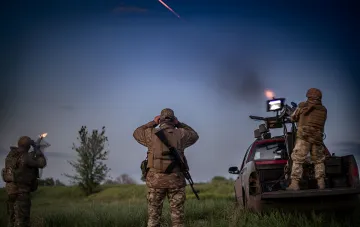
During the negotiations, the parties specified several areas of joint work. They discussed the procurement of man-portable air-defense systems (MANPADS), which remain one of the most accessible and operational means of intercepting low-flying targets. Norway's contributions to the Prioritized Ukraine Requirements List (PURL) mechanism were discussed separately—a tool that allows Kyiv's requests to be coordinated with partners' proposals and avoids duplication or gaps in supplies. The third point was the acceleration of missile deliveries for anti-aircraft systems, which is directly linked to Russia's increased pace of using attack drones and cruise missiles.
20mm Ammunition for F-16s: Response to Jet Drones
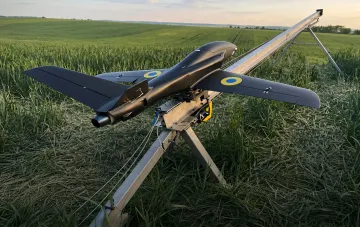
A separate topic of conversation was the supply of 20mm rounds for the aircraft guns of F-16 fighter jets. According to the press service, these munitions demonstrate high effectiveness in combating jet-propelled drones—a new class of air threats that are difficult to intercept with standard anti-aircraft missiles due to their small radar cross-section and low cost. Integrating aircraft fire into the air defense system creates an additional layer of protection, especially at short and medium distances, where maneuverable jet-powered drones pose the greatest threat to airfields and critical infrastructure.
Integration of Missiles into NASAMS: Technical Component
Projects to integrate missiles into NASAMS air defense systems were discussed by the parties in terms of their implementation progress. NASAMS systems supplied by Norway and other NATO countries were originally designed for a specific set of anti-aircraft missiles, but expanding compatibility with new types of ammunition significantly increases range, accuracy, and the number of simultaneously tracked targets. Work on integration typically involves adapting onboard electronics, updating guidance software, and conducting joint testing. For Ukraine, this means that already deployed launchers will be able to use more modern missiles without the need to purchase entirely new systems.
Broader Context: Gripen, SCALP, and the Drone Agreement
The discussion of NASAMS fits into a broader package of defense commitments undertaken by Ukraine's partners. Earlier, Norway and other countries announced a series of steps, including training pilots on Gripen fighter jets, supplying SCALP cruise missiles, and signing a drone agreement providing for the joint production of unmanned systems. According to Ukrainian sources, Norway has already significantly strengthened Ukrainian air defense, contributing to the destruction of Russian attack drones and other aerial targets. Thus, the integration of new missiles into NASAMS becomes a logical continuation of a multi-layered strategy in which anti-aircraft systems, aviation, and unmanned systems work as a single defense network.