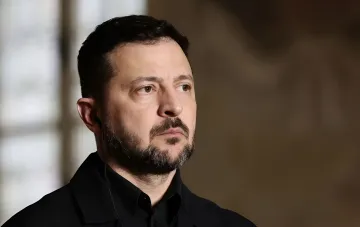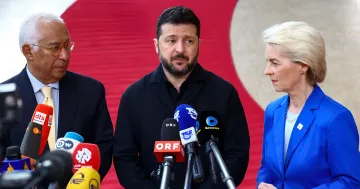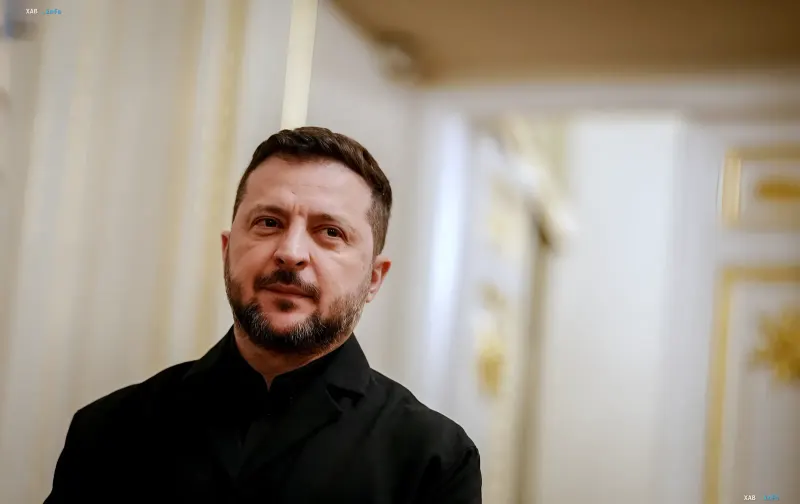
Ahead of Ukrainian President Volodymyr Zelenskyy's visit to The Hague, the Dutch government has announced €1.2 billion in non-military aid to Ukraine for the next three years. The announcement of the support package came ahead of the Ukrainian head of state's arrival in the Netherlands on Wednesday, October 28, when a series of high-level meetings are scheduled. The emphasis on the 'non-military' nature of the funds underscores that this is about supporting reconstruction and the economy, rather than direct military supplies.
How the Funds Are Distributed
The country's government has promised to allocate €380 million to help rebuild Ukraine next year, with another roughly €410 million earmarked for 2028 and 2029. Part of these funds will be used for urgent repairs to damaged energy infrastructure and the supply of necessary equipment for Ukrainian industry. These reconstruction tranches form a specific component of the broader €1.2 billion package.
Investment Component
In addition to direct recovery expenditures, the financing will be directed towards supporting Dutch companies wishing to invest in Ukraine's reconstruction. This element of the package is designed to link state aid with private sector participation, creating a structured channel for Dutch business involvement in the country's reconstruction processes.
Zelenskyy's Visit Programme
Zelenskyy is expected to arrive in the Netherlands on Wednesday, October 28. His schedule includes meetings with Prime Minister Rob Jetten and other cabinet members, followed by a visit to King Willem-Alexander of the Netherlands. The timing coincidence of the aid announcement and the president's arrival highlights the diplomatic significance of the trip.
Military Context: F-16s and Air Defense
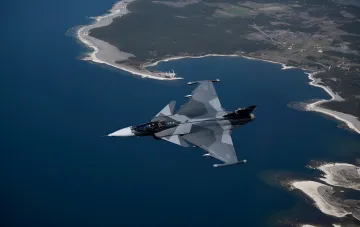
Separately, Jetten recently stated that the Netherlands will assist Ukraine with the maintenance of F-16 fighter jets, as well as the supply of spare parts and ammunition for them. According to him, this will help strengthen Ukraine's air defense amid massive Russian attacks on cities. Although the newly announced €1.2 billion package is strictly non-military, it comes against the backdrop of these military commitments, reflecting a dual-track approach to support.
Significance of the Three-Year Horizon
By setting support on a three-year horizon, the Dutch government is signaling its intention to provide sustained rather than one-off assistance. The emphasis on energy infrastructure, industrial equipment, and investment channels points to a focus on restoring the economic and functional framework of the country, complementing the immediate security tasks resolved through separate military channels.