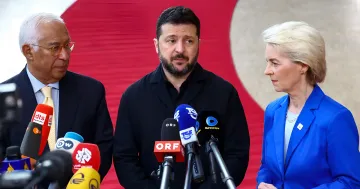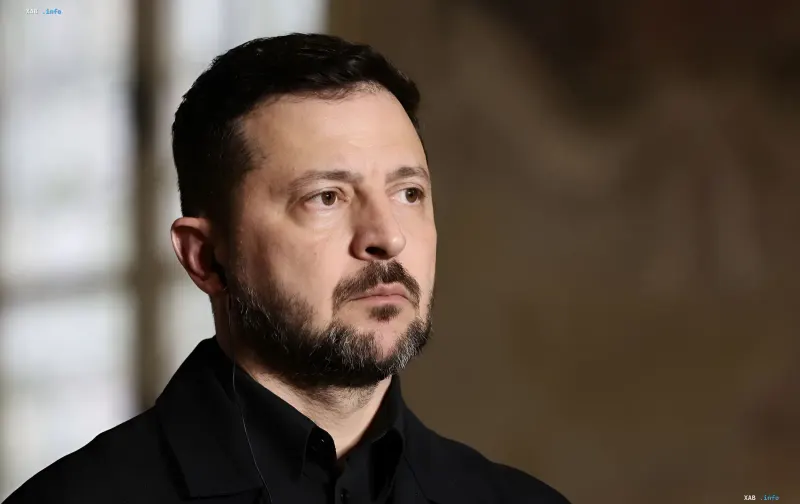
On October 17, 2026, Ukrainian President Volodymyr Zelenskyy told reporters that the United States will continue to lift sanctions against Russia, and the recently reached diesel agreement is merely the first step in this direction. According to him, easing restrictions will not force Moscow to stop the war; on the contrary, such a decision is perceived in the Kremlin as support.
“The First Step”: Forecast for Further Easing of Restrictions
Commenting on Washington's sanctions policy, Zelenskyy explicitly pointed to the expected dynamics: “I believe that the lifting of sanctions (against Russia) will continue. The diesel deal is the first step.” Recalling the actual mechanism of this step: the US Department of Treasury issued a temporary license allowing supplies of Russian diesel fuel to the American and global markets until April 7, 2027, despite current sanctions restrictions.
Kyiv's Stance: Why Lifting Sanctions Will Not Stop the War
The President of Ukraine emphasized that such an approach will not lead to the cessation of hostilities. “But we very much hope that the US President will do everything to make Putin stop the killings, stop strikes on our energy sector, and stop this war. Restricting Ukraine's responses against the Russian Federation, which kills our people, will not achieve this. And lifting sanctions even less so,” he stated. In his assessment, the Russian leader perceives the lifting of restrictions as a reason for gratification rather than a lever of pressure.
Context: Diesel License and Russian Export Plans
Thanks to the temporary US Treasury license, Russia gets the opportunity to supply millions of tons of diesel fuel to the markets. Moscow claims it expects to resume diesel exports to 3–3.5 million tons per month by the end of 2026, which, according to them, will return pre-crisis figures and exceed previously announced numbers.
“Hellish Sanctions” and Trump’s Decree
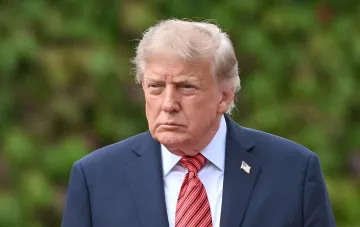
Concurrently, US President Donald Trump signed a decree suspending the so-called “hellish sanctions” — a large-scale package of tariffs, restrictions, and penalties promoted by Senator Lindsey Graham over the purchase of Russian energy resources. This decision expands the room for resuming Russian fuel exports amid a general easing of sanctions pressure.
Assessment of Consequences
According to the publication's assessment, the attempt to lower fuel prices before the elections through the “diesel agreement” with Moscow objectively plays into the Kremlin's hands: the fuel crisis is being used as a tool to provoke conflict between the US and Ukraine and force Kyiv to stop strikes on Russian oil refineries. Thus, the sanctions relief becomes part of a broader bargaining process surrounding energy and the course of the war.