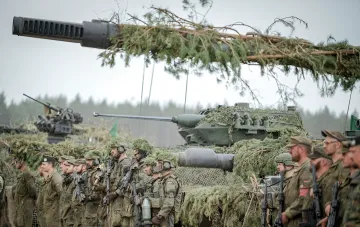
European officials, according to available reports, are convinced that at present there is no evidence of the Russian Federation preparing a conventional military attack on NATO countries or the Baltic states. These assessments, sources report, effectively refute media speculation that preventing a possible strike on the Baltic states was the main purpose of CIA Director John Ratcliffe's unexpected trip to Moscow. Thus, the public narrative framing the visit of the top US intelligence official as a response to an imminent invasion threat finds no support in the official assessments of European capitals.
Goals of the CIA Director's Visit and Channels of Interaction
According to sources, among the main topics discussed during the American official's visit were issues related to strengthening communication channels between intelligence and military structures. In recent months, Alliance allies have been actively discussing enhanced interaction with Russia precisely at the intelligence and military levels — with the aim of avoiding errors and misunderstandings against the backdrop of a growing number of hybrid attacks. This approach reflects an attempt to institutionalize communication where direct diplomacy is limited, and to reduce the risk of accidental escalation, which cannot be fully ruled out in conditions of tension.
Washington's Position and Data on Troop Deployment
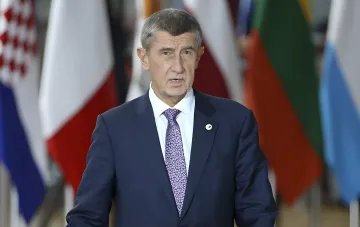
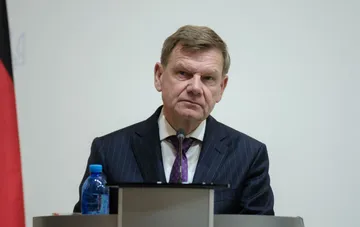
US President Donald Trump, responding to a question about a possible Russian retreat from attacks on NATO territory, briefly noted that "Russia is not going to attack." This position aligns with intelligence conclusions: despite the caveat that Russian services are studying the possibilities of infrastructure sabotage and "false flag" operations in Poland and the Baltic states, current data show no changes in the deployment or positioning of Russian troops. The heads of government and defense ministries of Estonia, Latvia, and Lithuania, for their part, confirmed that the level of military threat in the region remains unchanged. The totality of these statements indicates that no signs of a direct offensive redeployment of forces capable of indicating invasion preparations have been recorded at this time.
Hybrid Operations and Pressure on Ukraine
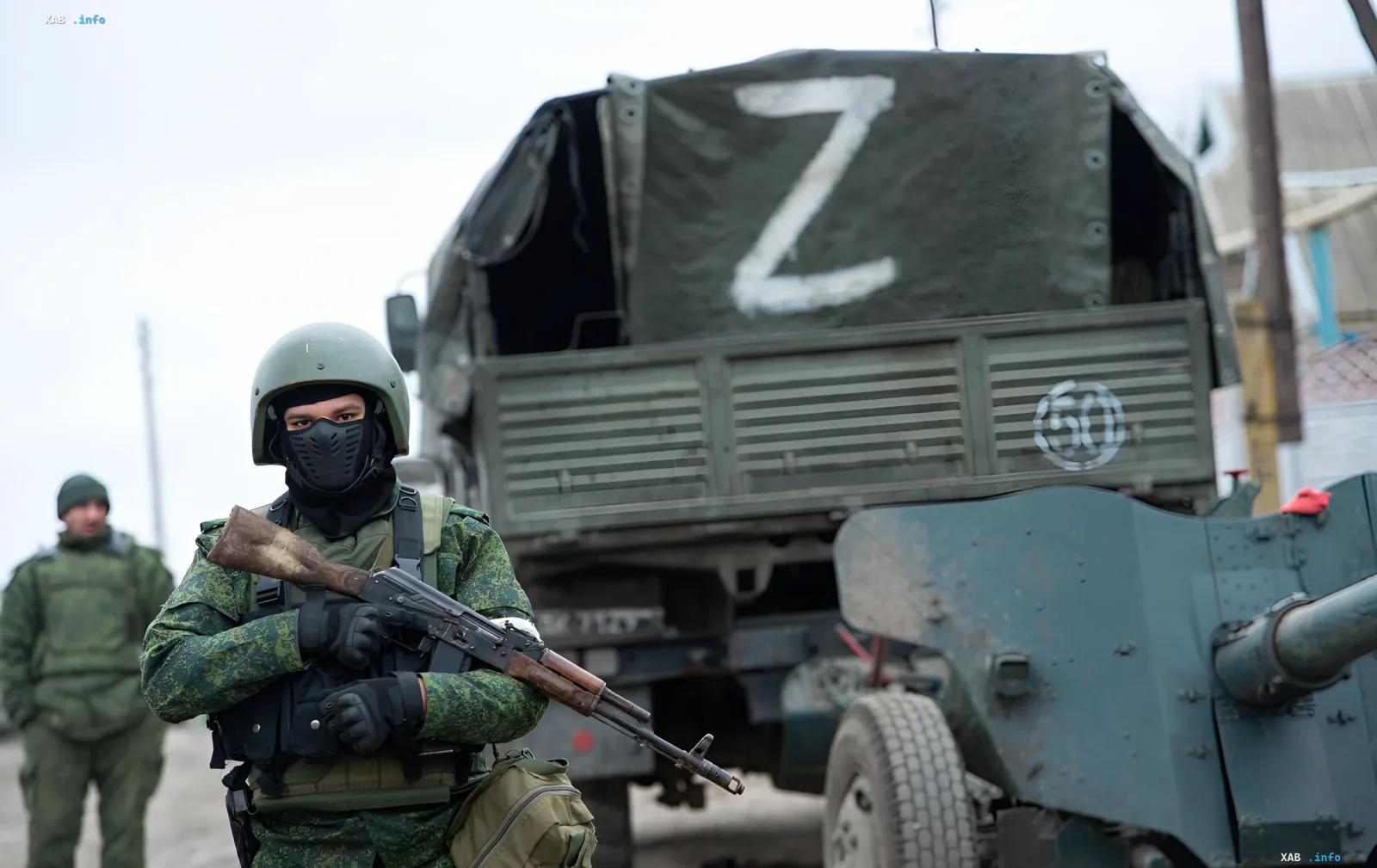
The absence of signs of a direct attack on the Alliance does not, however, mean a reduction in the overall intensity of Russian pressure. Europe continues to face hybrid operations: among recent incidents — incursions by armed drones, sabotage and arson in countries providing military and financial aid to Ukraine. In parallel, against the backdrop of limited progress on the battlefield, Russian leader Vladimir Putin, according to available assessments, is responding by intensifying strikes on Ukrainian cities and critical infrastructure, preparing a large-scale air campaign for the winter period. The Russian economy, meanwhile, is experiencing growing strain and is forced to impose strict spending restrictions due to the high cost of waging the war.
Contradictory Data
It is important here to distinguish between two lines that are often mixed together in the public sphere. On the one hand, some media outlets built a narrative according to which the CIA Director's visit to Moscow was directly driven by the threat of an attack on the Baltic states, and its goal was precisely to prevent such a strike. On the other hand, European officials and intelligence assessments refute this interpretation, pointing to the absence of evidence of preparations for a conventional military attack. Additionally, there is a nuance: intelligence notes that Russian services are studying the possibilities of infrastructure sabotage and "false flag" operations in Poland and the Baltics — this is a real element of hybrid pressure, which, however, is not equivalent to preparations for a full-scale invasion and is not accompanied by changes in troop deployment. Thus, the contradiction lies not in the absence of any threat, but in the fact that the nature and scale of the threat (hybrid operations versus a direct military attack) are assessed differently depending on the source.
Alliance Readiness for Scenarios
Previously, NATO allies have repeatedly assessed the threat of direct military confrontation with Russia. In particular, US President Donald Trump noted that he is not concerned about the threat of a Russian attack on NATO countries. Nevertheless, within the Alliance itself, preparations continue for all scenarios of development: military leadership, according to available data, has developed a step-by-step action plan for NATO in the event of a Russian attack, detailing the sequence of measures in the case of missile strikes or a ground invasion. The existence of such a plan does not mean that an invasion is considered likely — it is standard practice of preparing for the worst-case scenario, which allows the Alliance to maintain restraint in public assessments without lowering the level of combat readiness.