
The energy crisis in Europe is rapidly gaining momentum due to the escalation of the conflict in the Middle East and the closure of the strategically vital Strait of Hormuz. According to official statements, the European Union has had to allocate an additional 100 billion euros (about 113.5 billion dollars) for energy imports, yet these colossal financial injections have not resulted in an increase in the physical volumes of oil and gas supplies. The International Energy Agency (IEA) emphasizes the extreme vulnerability of the European region facing the upcoming winter.
The Threat of Diesel Shortages and Dependence on the US
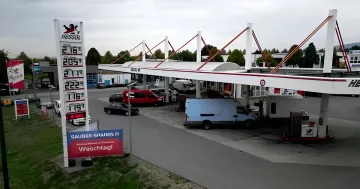
Speaking at a meeting of EU energy ministers in Dublin, EU Energy Commissioner Dan Jørgensen stated the complete inefficiency and unviability of the current model of dependence on external supplies. The situation is exacerbated by the fact that about half of all diesel fuel imported into Europe comes directly from the United States. Against the backdrop of the closure of the Strait of Hormuz, through which a fifth of all global oil traded was traditionally transported, fuel prices in a number of European countries have skyrocketed by nearly 50%, exceeding 11 dollars per gallon.
Government Support Measures and Price Caps
In the face of the looming crisis, national governments are forced to take emergency measures to protect the population and businesses. In particular, the Spanish government announced the introduction of strict limits: natural gas price growth will be capped at 15%, while the cost of widely used butane gas for cooking and heating is frozen at 19.55 euros. Spanish Minister for Ecological Transition Sara Aagesen warned that without such large-scale intervention, gas bills for ordinary households could have jumped by more than 45% as early as October.
Contradictory Data
Within the expert community and among political leaders, there are discrepancies regarding further steps to stabilize the market. IEA Executive Director Fatih Birol stated that the organization is considering the possibility of utilizing strategic oil reserves to flood the market with diesel and fuel. At the same time, he refrained from direct comments on the proposal by French President Emmanuel Macron regarding the large-scale release of reserves. In addition, concerns persist regarding a potential US restriction on exports of its own diesel fuel for domestic needs, although Irish Energy Minister Darragh O’Brien considers such a scenario unlikely.
Ways to Overcome Dependence and Accelerated Energy Transition
Experts and ministers agree that the only way out of the current deadlock is a forced abandonment of fossil fuels and accelerated electrification of the entire economy. As a successful example, the experience of Finland is cited, where about 95% of domestic electricity production is provided through nuclear energy, hydro resources, and peat. The EU leadership insists on a large-scale expansion of cross-border energy infrastructure to prevent the recurrence of such crises in the future.