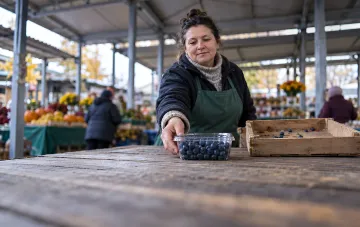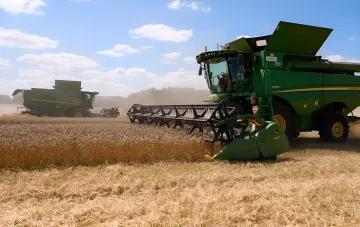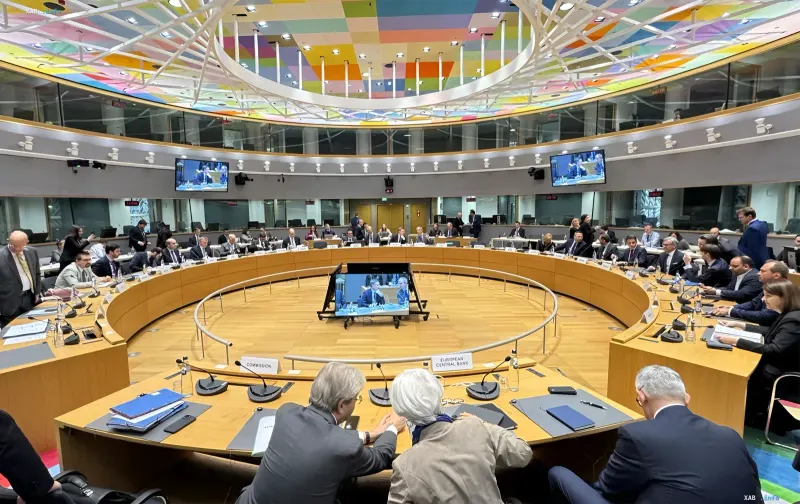
The European Commission has officially rejected Ukraine's request for 220 million euros in emergency financial aid. These funds were intended to support farmers whose businesses and logistics chains were severely damaged by regular Russian shelling of port infrastructure, which is critical for grain and oilseed exports. The news has sparked widespread debate, highlighting the vulnerability of the Ukrainian food sector in the face of the ongoing military conflict.
Financing substitution: The role of the World Bank
Despite Brussels' refusal, the Ministry of Agrarian Policy and Food of Ukraine has found an alternative source of liquidity. Minister Taras Vysotsky confirmed that the sector will receive support in the form of a low-interest loan from the World Bank totaling 250 million dollars. This move will allow the government to temporarily address the working capital deficit and keep key agricultural enterprises afloat in the near term.
Strategic planning and 2027 challenges
According to the head of the agrarian department, the current funding is only a temporary measure that will help farmers "survive until the New Year." However, the government is already looking toward the spring of 2027. The situation remains critical due to infrastructure destruction and the lack of security guarantees for maritime exports. In August, Kyiv sent a request to the EU to increase duty-free quotas for sugar and bioethanol, hoping to expand export volumes in the future.
Contradictory data
It is worth noting that there is a difference in official assessments of economic stability. While the Ministry of Agrarian Policy focuses on targeted loans, Prime Minister Serhiy Koretsky has reported a massive defense budget deficit of 27 billion dollars, which calls into question the capacity for full state support of the civilian sector without future external assistance.
Maritime export prospects
Vysotsky also emphasized that hopes for a "maritime truce" with Russia are currently unfounded. All ceasefire proposals aimed at de-escalating the situation in Black Sea ports have been rejected by Moscow. This means the agricultural sector will continue to operate under high logistical costs, which will inevitably require the EU and other international partners to reconsider long-term financial assistance mechanisms.