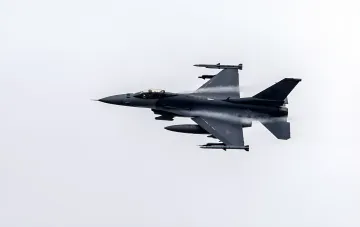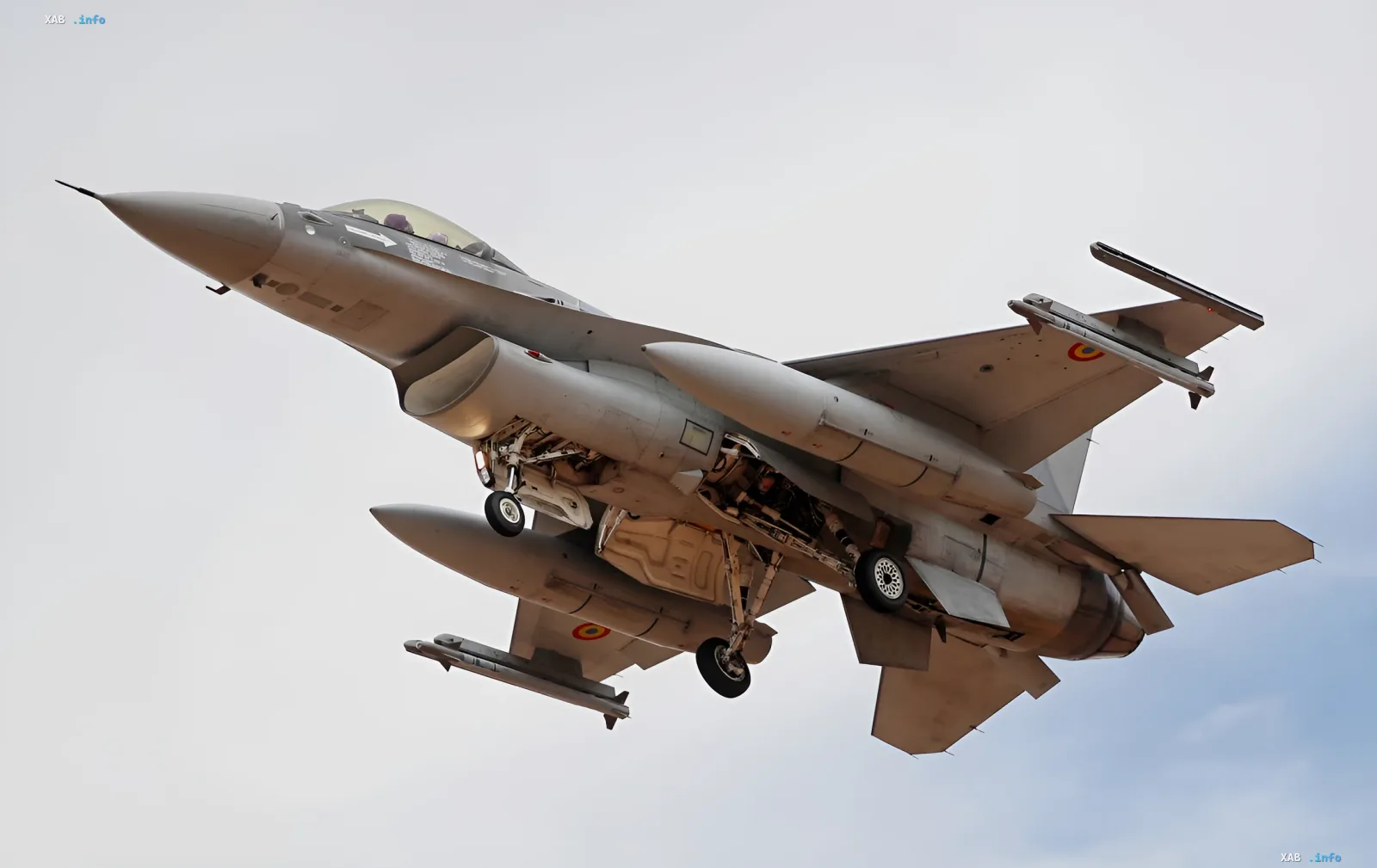
Ukrainian F-16 fighter jets are daily engaged in combat missions to intercept enemy targets and deliver strikes along the front line. Such intensive operation leads to the rapid depletion of equipment resources, significantly exceeding planned peacetime training flight indicators. Due to the colossal intensity of loads, combat aircraft require regular maintenance, replacement of components and assemblies, yet the European defense-industrial base faces serious logistical and production difficulties.
Maintenance and Component Logistics Issues
As aviation expert Anatoliy Khrapchynskyi explained in the RBC-Ukraine podcast 'TSE BAZA', the technical support of Ukrainian fighters is complicated by the fact that the maintenance of critical units is concentrated in only one point in Europe. Amid colossal demand for spare parts, this creates a component shortage. The expert compared this situation to searching for rare parts for vintage 1979 cars, where necessary components have to be literally gathered from scrap yards or manufactured in single copies, as the European defense industry still operates in a peacetime paradigm.
Modification Features and Impact on Combat Capability
A serious factor is also that Ukraine received not the most modern modifications like Block 52, which could be serviced in neighboring Poland, but older, albeit modernized versions of the aircraft. The situation is aggravated by statements from the country's leadership: in particular, President Volodymyr Zelenskyy told the Financial Times that about half of the transferred F-16 fleet has been undergoing scheduled repairs in Europe for a long time.
Contradictory Data
While the expert community and officials emphasize the acute shortage of spare parts and logistical delays in repairing fighters at the sole European hub, maintenance contracts are undergoing changes. It was previously reported that large-scale long-term contracts were signed with Belgium for the repair and maintenance of Ukrainian F-16s valid until 2029. Nevertheless, the pace of component supplies and the capabilities of defense enterprises cannot yet keep up with the rate of equipment wear under high-intensity conflict conditions.