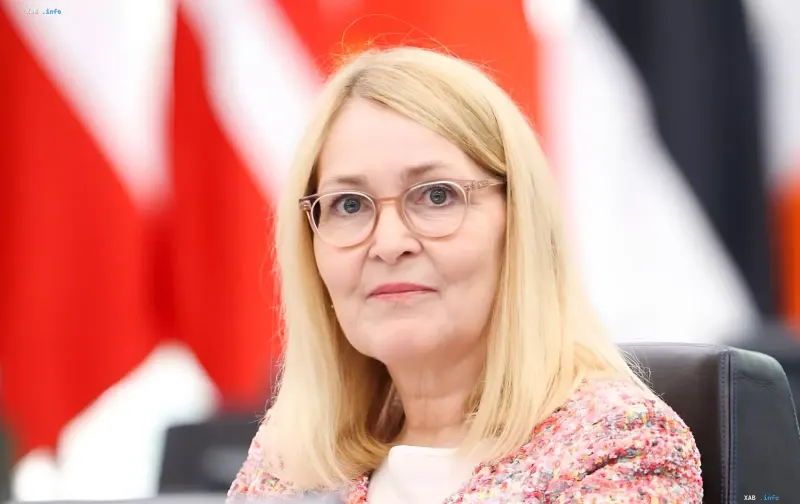
The European Parliament has commented on the results of the US midterm congressional elections held on November 3, 2026. European Parliament Vice-President Christel Schaldemose stated in a social media post on X that the unexpected results of the American vote provide grounds for “cautious optimism” in European politics. According to her, the Democratic Party's victory could impact a number of key areas, including support for Ukraine, the green transition, and the EU's foreign policy relations with other countries around the world.
Cautious Optimism Without Illusions
Schaldemose emphasized that a positive signal from Washington does not automatically mean an improvement in Europe's situation. The European Parliament Vice-President stressed that Brussels must not rely solely on external political changes. She stated that the European Union is obligated to continue strengthening its own positions and move towards greater strategic autonomy. This course, as she noted, is “non-negotiable.”
Election Results: Democrats Control Both Chambers
Following the midterm elections on November 3, 2026, the Democratic Party secured control of both chambers of the US Congress. In the House of Representatives, Democrats won 227 seats, surpassing the 218 required for a majority. They also prevailed in the Senate, securing 54 seats compared to 42 for the Republicans. Consequently, President Donald Trump faces a situation where the legislative branch is in the hands of the opposition party.
Trump’s Reaction: Readiness for Cooperation and Reminder of Veto Power
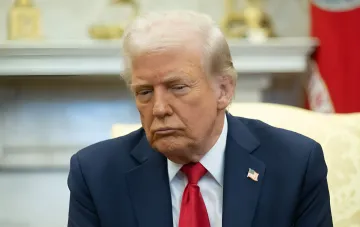
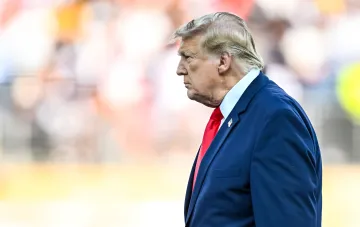
US President Donald Trump has already responded to the election results. He acknowledged his party's defeat and announced his readiness to cooperate with the Democrats. At the same time, the American leader made it clear that he will not support initiatives with which he disagrees. In particular, Trump reminded everyone of his veto power, which he can use to block bills passed by Congress. This statement essentially outlined the framework for future interaction between the executive and legislative branches in the US.
What This Means for Ukraine and European Policy
For Kyiv and European capitals, the outcome of the US elections is viewed as a potentially favorable factor. The return of Democrats to control over Congress could influence the level and format of support for Ukraine, as well as the overall course of American foreign policy. At the same time, as Strasbourg emphasizes, this is no guarantee of rapid and automatic changes. European politicians are urging the use of this window of opportunity to accelerate their own sovereign course, without tying it to the political cycle in Washington.
Context: Why EU Independence Has Become a Key Message
Schaldemose's statement fits into a broader discourse within the European Union regarding the need to reduce dependence on external factors. Against the backdrop of years of discussions on Europe's strategic autonomy, the emphasis on a “non-negotiable” course toward independence sounds like a direct response to any expectations that a change of power in the US will automatically solve European security and economic problems. For Ukraine, this means that despite a potential improvement in the atmosphere in Washington, the European security architecture will bear the primary burden of ensuring stability and support.