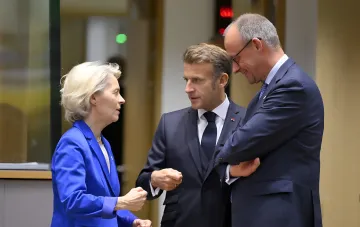
European Commission President Ursula von der Leyen stated that the expansion of the European Union has turned into a strategic necessity for the security and stability of the entire continent. She announced this on November 25 during a joint press conference with European Council President Antonio Costa following the EU – Western Balkans summit.
A New Momentum for Integration Processes
According to the head of the European Commission, there is currently a real dynamic momentum in the enlargement process that unites candidate countries and current EU institutions. During the current year, within the framework of various negotiation tracks, it is planned to open and close more than one hundred negotiation chapters, demonstrating the unprecedented intensity of the process.
Ursula von der Leyen emphasized that the stronger and more united Europe becomes, the more effectively it can counter modern challenges and geopolitical threats. To achieve this goal, European structures and candidate countries must demonstrate mutual commitments and translate the political momentum into real institutional reforms.
Prospects for Ukraine's Accession and Brussels' Stance
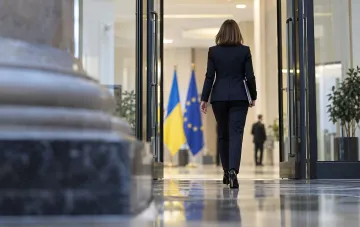
The issue of Ukraine's integration remains one of the key elements of the current wave of community enlargement. Earlier, Ukraine's Ambassador to the EU Taras Kachka stated that the negotiation clusters necessary for Ukraine's full membership in the EU could be successfully closed as early as 2027, drawing on Lithuania's historical experience.
Simultaneously, the European Commission adjusted its negotiating position on the Ukrainian issue, taking into account a number of Poland's demands regarding the protection of national farmers and transport carriers. The new provisions provide mechanisms to restrict access for the most vulnerable categories of Ukrainian agricultural products to the European market.
The Significance of Enlargement for Europe's Future
Further institutional and geographical enlargement of the European Union determines the long-term security architecture of the entire European space. The successful integration of new members will strengthen the economic potential of the association and reduce the level of external risks. Further progress depends on the coordinated work of candidate governments and the unwavering political will of Brussels.