On Monday, August 17, 2026, the National Bank of Ukraine (NBU) published the official exchange rates, which demonstrated divergent dynamics. While the US dollar practically fixed its position, the euro showed confident growth, adding to its value compared to the previous working day. Experts link the current situation to the balance of supply and demand in the domestic market, as well as the attractiveness of deposit programs in the national currency.
Detailed analysis of the official NBU rate
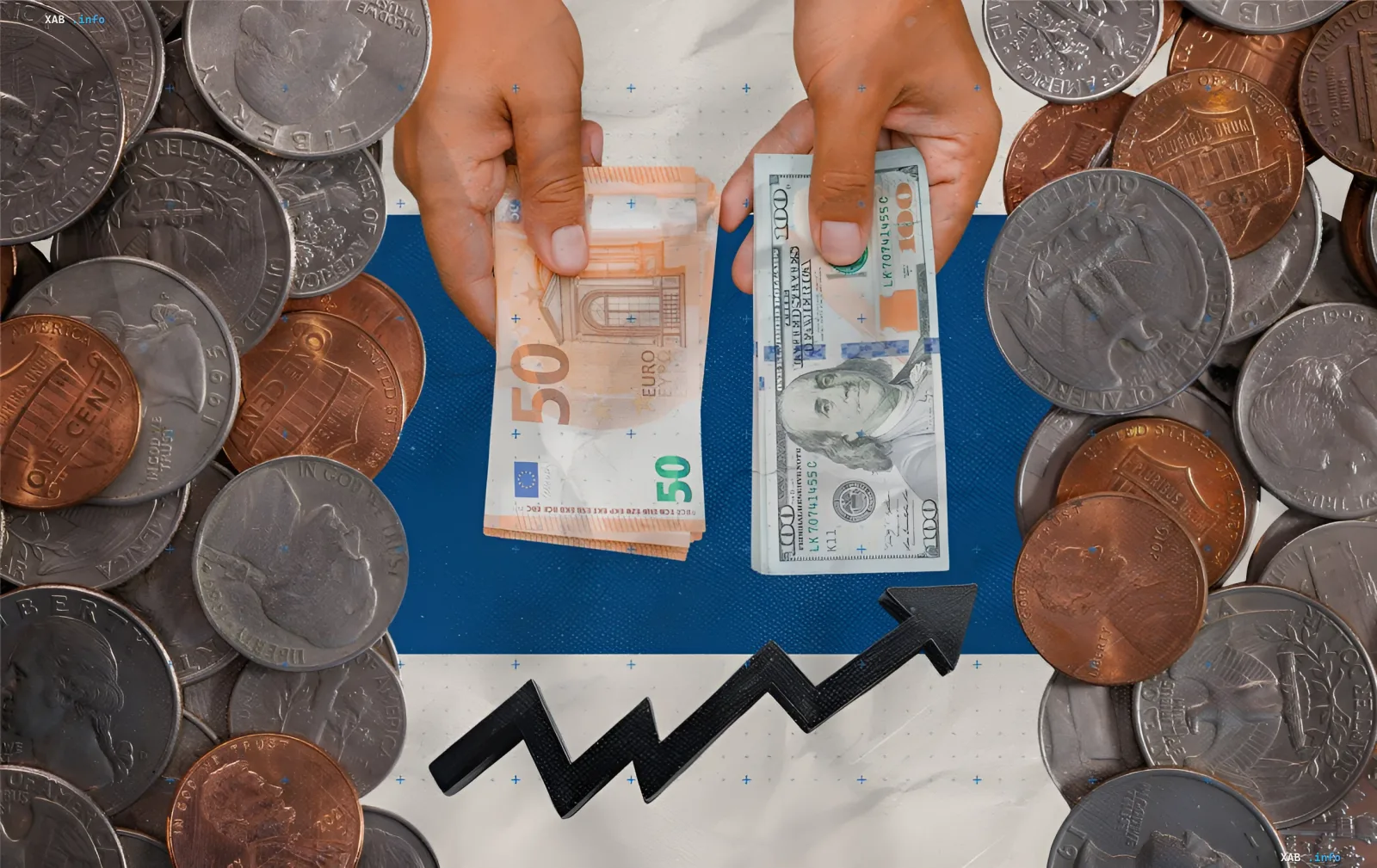
According to the regulator's data, the official exchange rate of the US dollar on August 17 was set at 44.70 hryvnias per dollar. Compared to the figures from Friday, August 14, the cost of the American currency increased by only 1 kopeck. Such minimal volatility indicates the stability of demand for the dollar in the interbank sector and the absence of sharp spikes in the cash market.
At the same time, the European currency demonstrated more active dynamics. The official exchange rate of the euro amounted to 51.70 hryvnias. Over the weekend, when the market was closed, the euro rose by 15 kopecks, surpassing the previous rate of 51.55 hryvnias. This growth may be related to seasonal factors, changes in the global market conjuncture, or the adjustment of exchange rates in banks before the start of the working week.
Factors supporting the hryvnia: the role of deposits and the NBU rate
Despite the rise in the euro, experts note that the hryvnia retains a certain stability due to internal factors. Taras Lesovoy, Director of the Financial Markets and Investment Department of Globus Bank, in a comment for RBC-Ukraine, pointed out the key role of profitable deposit programs. According to his estimates, attractive rates on hryvnia deposits are capable of retaining up to 20–25% of citizens' free savings within the banking system.
"Part of the funds that could have gone to the cash foreign exchange market will remain in the banking system," the banker noted. This reduces pressure on the exchange rate of the national currency and prevents sharp spikes in currency costs in exchange offices. An additional supporting factor was the increase in the NBU discount rate to 15.5%, which makes hryvnia instruments more attractive for savings compared to holding cash currency.
Contradictory data
An analysis of the market situation requires taking into account the differences between the official NBU rate and real quotes in exchange points. While the official euro rate rose by 15 kopecks, data from some sources for previous days (for example, August 12 and 14) indicated higher volatility. In particular, in mid-August, sharp fluctuations were observed when the euro demonstrated a decline, and the dollar — a rise. This creates a certain uncertainty in short-term forecasts, as market sentiments can change faster than the regulator's official data is fixed.
Forecasts and expectations for the second half of August
Under the current economic situation, experts expect that the exchange rate will remain under the control of the NBU, although local fluctuations are possible. The increase in the discount rate and the development of the deposit market remain the main tools for stabilization. However, external factors, such as the geopolitical situation and the dynamics of global markets, can influence the demand for currency. In the coming weeks, it is important to monitor changes in NBU policy and the reaction of the banking sector to new conditions.