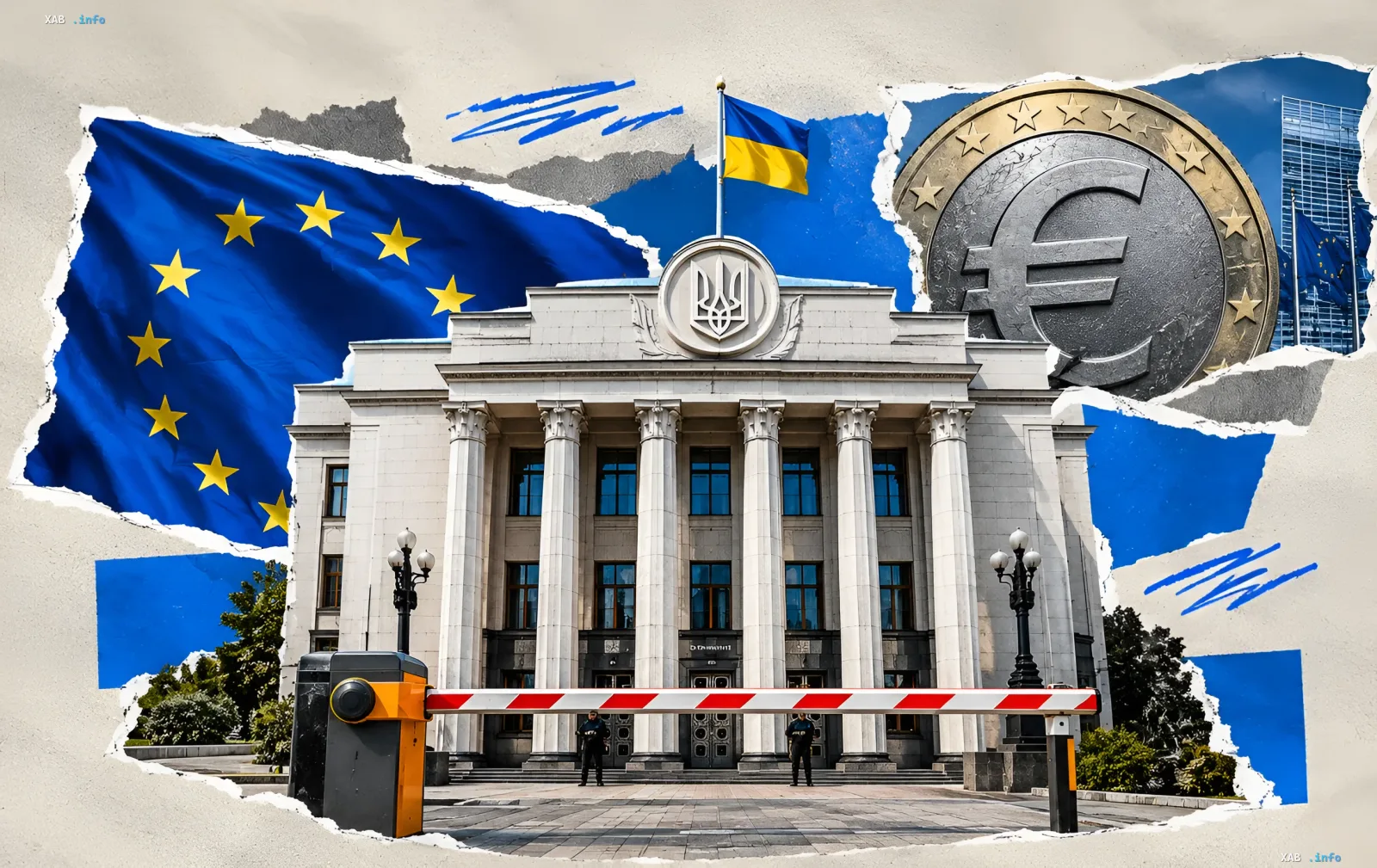
Ukraine stands at a critical juncture in its integration into the Single Euro Payments Area (SEPA), dubbed by experts as a "financial visa-free" regime. To join the system, which allows citizens and businesses to conduct cross-border transfers within the EU with simplified and cheaper fees, the Verkhovna Rada must pass the necessary legislative changes by mid-November 2026. Failing to do so risks not only indefinitely delaying integration but also losing significant amounts of international financial support.
Economic Benefits and Risks
SEPA reform promises significant savings for both individuals and entrepreneurs. Experts estimate that the cost of transferring small amounts could drop from current levels of 15–50 euros to near-zero symbolic values. On a national scale, this represents savings of 100 to 200 million euros annually in commission fees. Moreover, according to the Ministry of Finance, the DPL-2 program is strictly tied to the adoption of this law: an 800 million dollar tranche is at stake. Parliamentary procrastination threatens macroeconomic stability, which relies on these funds.
Conflicting Data
There are discrepancies in the sources regarding the amount of financial aid tied to the bill. According to the Center for Economic Strategy (CES), the total potential inflow is estimated at 1.4 billion dollars. Meanwhile, Member of Parliament Olga Vasilevskaya-Smaglyuk, citing World Bank conditions for the DPL-2 program, specifies a figure of 800 million dollars that could be lost if the vote fails, noting that while previous obligations (DPL-1) were forgiven by the creditor, there will be no second chance.
Technical Readiness and EU Regulatory Pressure
Despite political hurdles, the banking sector's technical readiness is high. According to Vasilevskaya-Smaglyuk, 57 out of 59 Ukrainian commercial banks have already confirmed they are technically prepared for SEPA integration. However, a "ticking time bomb" looms: from July 10, 2027, new, significantly stricter EU anti-money laundering rules (Regulation 2024/1624) will come into effect. If Ukraine fails to implement the current version of the legislation in time, the SEPA entry process will have to be redesigned to meet tougher standards, which would almost certainly delay the system launch until at least 2029.