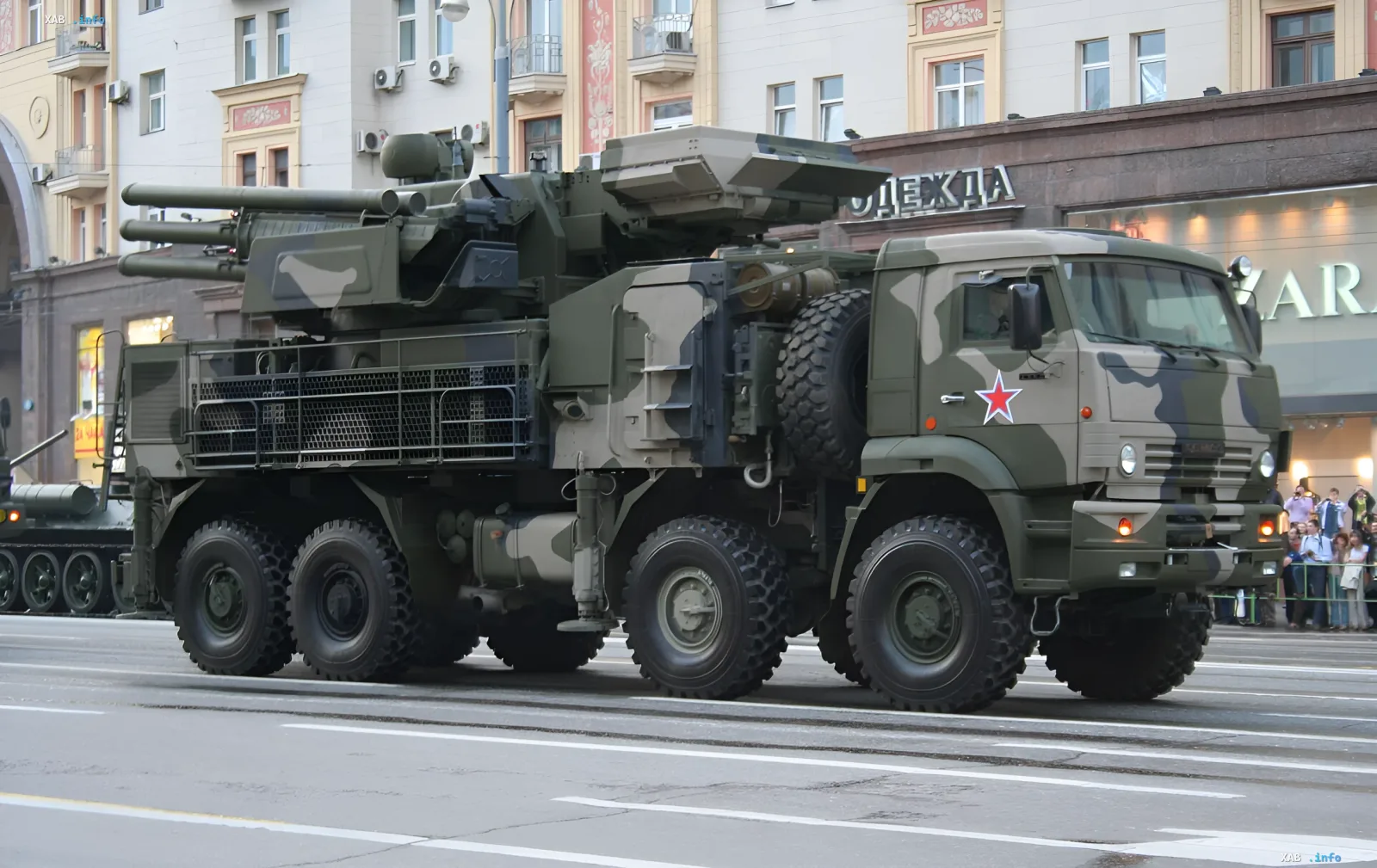
Ukraine's air defense system does not need a direct copy of Russian equivalents like the Pantsir system, but rather the creation of a full-fledged network-centric architecture. According to aviation expert Anatoliy Khrapchynskyi, the key element of effective defense should be the integration of multiple diverse early warning sensors providing seamless radar coverage, tracking, and destruction of air targets at all altitudes.
Architecture of Network-Centric Defense
Modern security challenges require a shift from point solutions to distributed systems. As the expert noted on the "TSE BAZA" podcast, the Russian Pantsir combines a locator, a cannon, and missiles into a single vehicle, whereas Ukraine needs a flexible network. It should include disparate sensors capable of quickly transmitting data to command posts for prompt response and distributed interception of various targets.Optimization of Interception Means and Drone Countermeasures
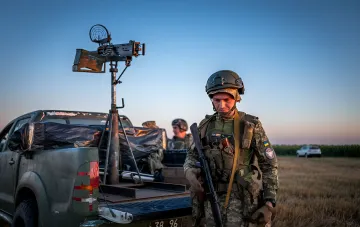
An important aspect of the concept is the economic and technical feasibility of choosing weapons. For example, small-sized drones like Shaheds at low altitude are more effectively and cheaply destroyed using large-caliber machine guns or automatic turrets rather than wasting expensive anti-aircraft missiles. At the same time, the expert emphasized that jet-powered drones cannot climb to extreme altitudes of 7-12 thousand meters, as sometimes claimed, which also narrows the range of means needed to intercept them.Preventive Strikes and Ballistic Threat
Contradictory Data
There are various assessments of the altitude characteristics and tactical capabilities of modern strike drones and missile systems. While monitoring channels frequently record drone flights at altitudes of up to 7–12 thousand meters, expert data indicates that jet modifications of UAVs are limited to an altitude of up to 5 thousand meters. Similar discrepancies concern the modernization plans of the Iskander-M missile systems, where the operational range can be artificially increased from 500 to 840–1000 kilometers to minimize the risks of retaliatory strikes.
In addition to defensive measures, Khrapchynskyi insists on the necessity of delivering preventive strikes directly against enemy launching sites on Russian territory. To implement such a strategy, Ukraine needs its own ballistic missile program or supplies of similar weapons from Western partners, especially against the backdrop of Russia's attempts to increase the range of Iskander-M missiles to 840–1000 kilometers to move launchers deeper into its territory.