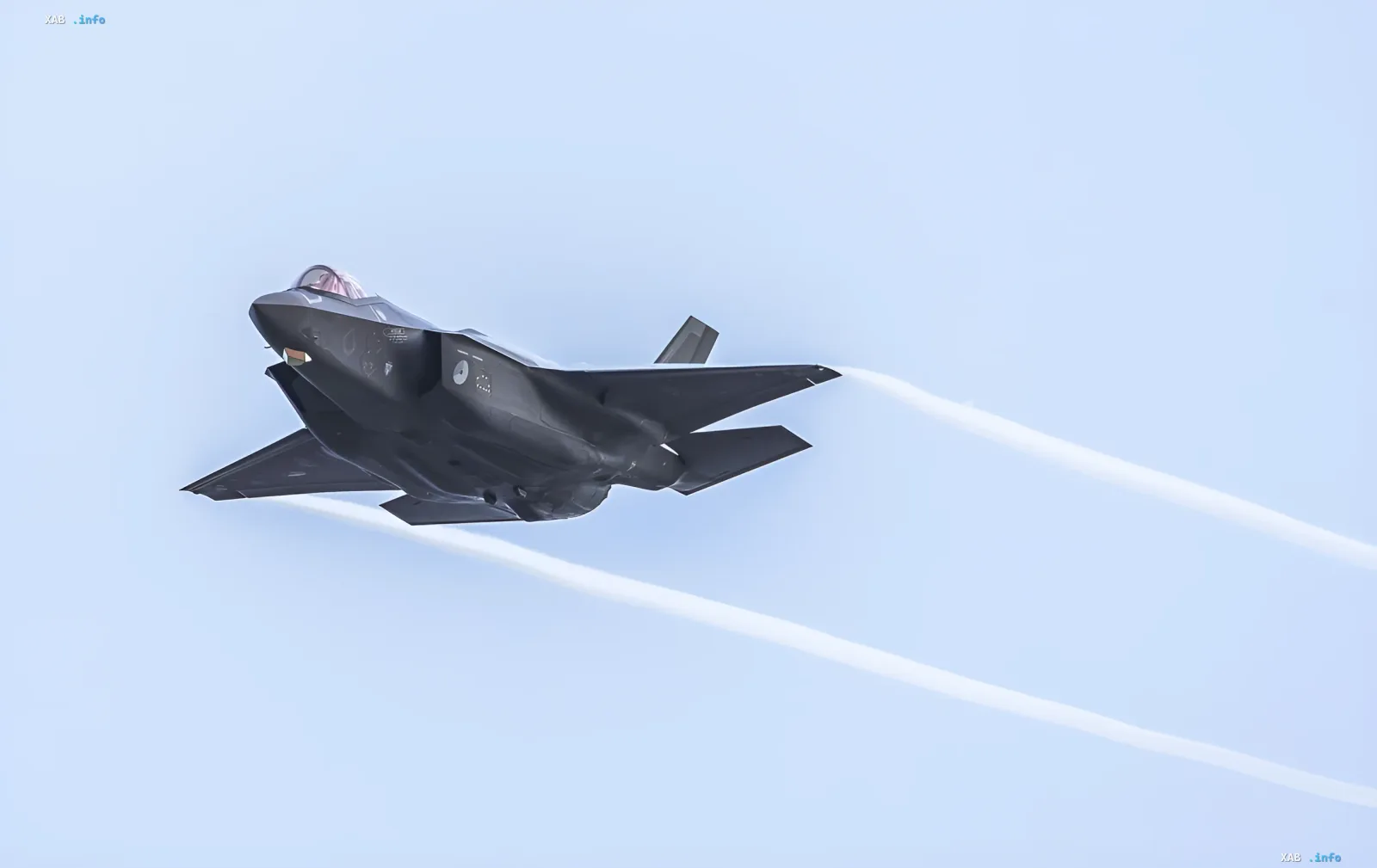
The administration of US President Donald Trump has issued an official statement: Turkey currently does not meet the criteria for purchasing fifth-generation American F-35 fighters. This decision confirms that, despite the head of state's public promises, the bureaucratic machine continues to operate as before, blocking the deal.
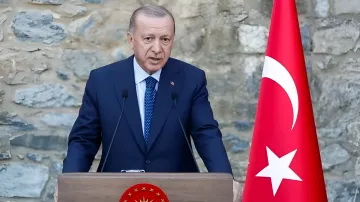
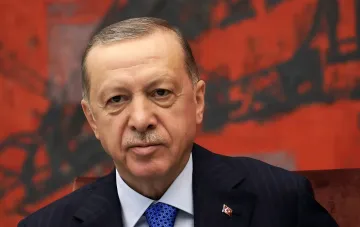
This information was confirmed by the US Department of State in an official letter to Republican Congressman Wesley Bell. The reason for the inquiry was a recent statement by Donald Trump made during a meeting with Turkish leader Recep Tayyip Erdogan. At that time, the American president expressed his willingness to support the sale of fighters, which has been delayed for several years.
Official position versus public promises
The State Department document clearly outlines the department's position. US policy regarding Turkey's purchase of F-35s remains unchanged and strictly follows the letter of the law. Specifically, this refers to Section 231 of the CAATSA Act (Countering America's Adversaries Through Sanctions Act) and Section 1245 of the National Defense Authorization Act for Fiscal Year 2020.
"Turkey has not yet met these conditions," the letter states directly. At the same time, the department reserves the right to review the situation if Ankara meets the necessary requirements in the future. However, for now, the path to receiving the fighters is closed.
The main obstacle: Russian S-400s
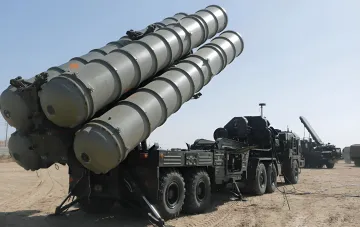
The key stumbling block remains the issue of Russian S-400 surface-to-air missile systems. The history of the conflict began back in 2020, when Turkey, being a participant in the multinational F-35 procurement program, concluded a deal with Moscow. This action triggered Ankara's exclusion from the program and the imposition of sanctions against it.
Currently, Turkey is trying to resolve the issue diplomatically, negotiating with Washington about the possible sale or disposal of the S-400 system. However, according to the State Department, the transfer of the systems to the US or their disposal has not yet taken place. Erdogan's team admits that the presence of Russian weaponry is the main barrier to returning to the F-35 program.
Pressure from Israel
The situation is further complicated by Israel's position. Prime Minister Benjamin Netanyahu openly declared his disagreement with the sale of F-35s to Turkey. According to him, he personally appealed to Donald Trump not to allow this deal, arguing based on regional security considerations.
Thus, Donald Trump's public statements about lifting sanctions and supporting the sale of fighters contradict the official policy of the structures of his own administration. Until Ankara finds a compromise on the S-400 issue, the prospect of receiving F-35s remains highly questionable.