In August 2026, the entertainment industry faced an unprecedented phenomenon: a virtual character created by artificial intelligence not only became popular but also formed a full-fledged fan base comparable to that of real celebrities. This is Fan Taozi — the main heroine of the short series "The Fired Girl," which was released on the Douyin platform in June of this year. In just two months, the series garnered about 200 million views, and the character's personal account attracted more than 400,000 followers.
From Series to Digital Life: The Fan Taozi Phenomenon
Fan Taozi is not just a static image on a screen. Unlike traditional animated characters, she lives continuously in the digital space. On her social media, she publishes vlogs, shares photos of breakfasts, workouts, and pets, and actively communicates with fans. Moreover, the character has already signed advertising contracts, confirming its commercial viability. Fans create their own videos, discuss the heroine's fictional relationships, and form a stable community around her.
This phenomenon raises a fundamental question: can artificial intelligence become a real "star"? According to Zhang Pan, a culture researcher from Nanjing Normal University, the answer depends on how we define the concept of celebrity. If the criteria are the level of public attention, the ability to create emotional connections, and commercial value, then Fan Taozi already possesses all the necessary elements. She has an audience, a personal brand, and opportunities for collaboration with brands.
The Evolution of Virtual Performers: From Alvin and the Chipmunks to AI
Virtual characters in the entertainment industry have existed for several decades. The history began with the American animated musical group "Alvin and the Chipmunks," which debuted in 1958, and continued with the appearance of icons like Hatsune Miku and Luo Tianyi. However, the novelty of the current generation of AI lies in its ability to combine multiple technologies to create a full-fledged entertainment ecosystem.
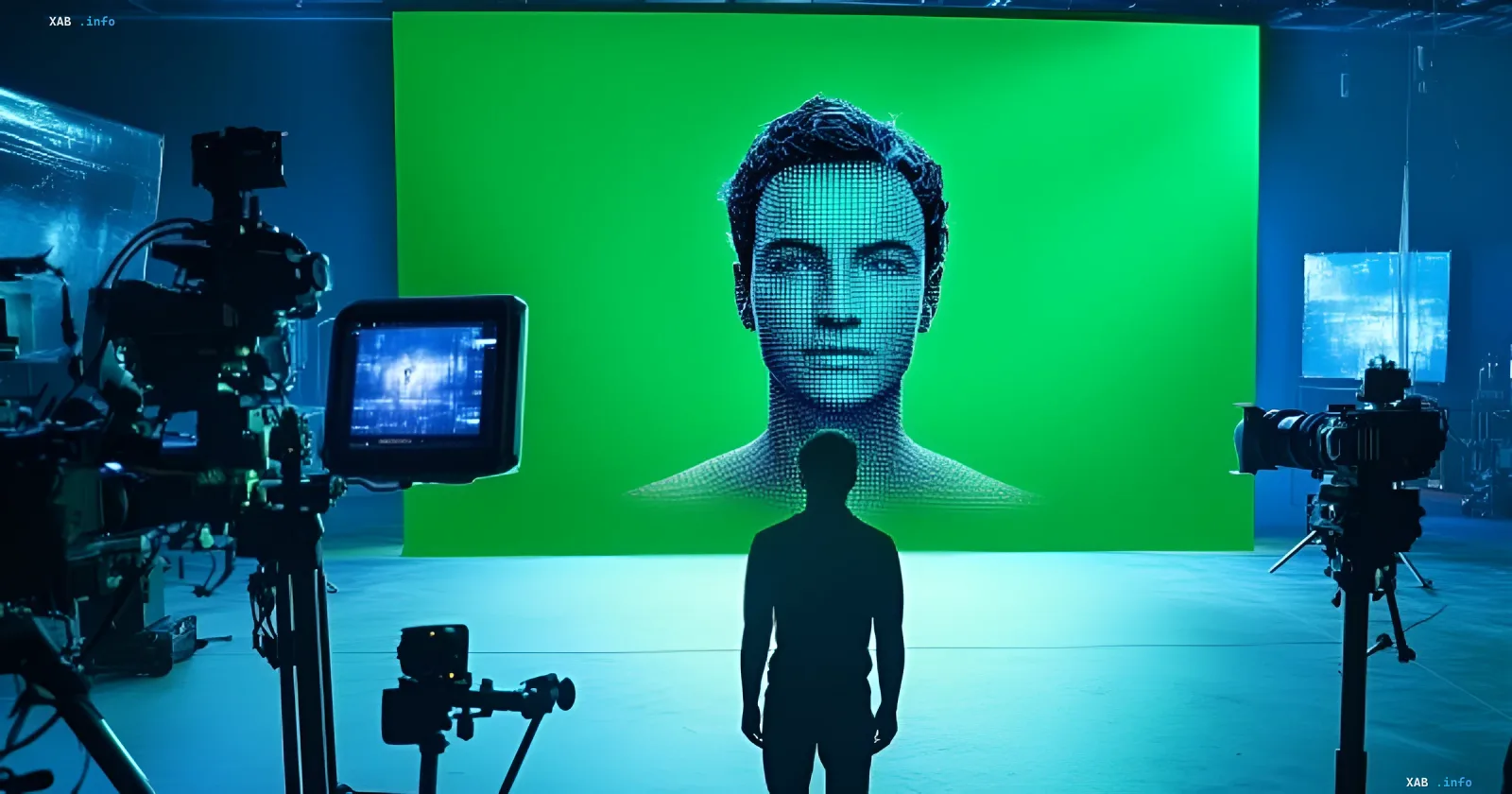
Today, an AI character does not just appear on screen. It can simultaneously manage social media accounts, generate its own content, manage fan communities, and participate in interactive events. This creates a continuous entertainment model in which the character's story can expand from short films to digital life and other platforms. The technology allows the character to be "always connected," which is impossible for real actors.
Threat or Opportunity for Actors?
The rise in popularity of AI stars opens up an important perspective for the acting profession. On the one hand, real actors bring life experience, the ability to interpret emotions, and an element of surprise to every performance, which is extremely difficult to reproduce algorithmically. On the other hand, characters created with the help of AI possess characteristics ideally suited for the needs of large-scale content production: they are not limited by age, can function continuously, and easily adapt to various audience groups.
In areas such as short films, commercials, supporting roles, or voice acting, where there is a growing need for fast and cost-effective content production, AI can open up new creative possibilities. The key question, according to experts, is which stages in the performing arts can be automated without losing quality and emotional depth.
China vs. Hollywood: Different Motivations for AI Adoption
The popularity of AI stars in China is partly explained by the growing public need for communication and emotional connection. Audiences are increasingly looking for new experiences, characters with their own stories, and the possibility of continuous interaction. At the same time, experiments with AI in the Hollywood entertainment industry are mainly driven by the need to improve production efficiency and optimize costs. This creates two different vectors for the development of technology: one focused on creating new forms of art, the other on optimizing existing processes.
Contradictory Data
Despite the obvious success of Fan Taozi, experts disagree on the long-term prospects of AI stars. Proponents of the technology argue that it is capable of maintaining a consistent image and developing a plot in a certain direction, creating a personalized experience for fans. However, critics point out that the long-term appeal of an AI-created character still depends on the creative abilities of the team behind it and the quality of its interaction with the audience. Ultimately, technology is just the foundation; plot, emotions, and the ability to evoke empathy remain the prerogative of human creativity.