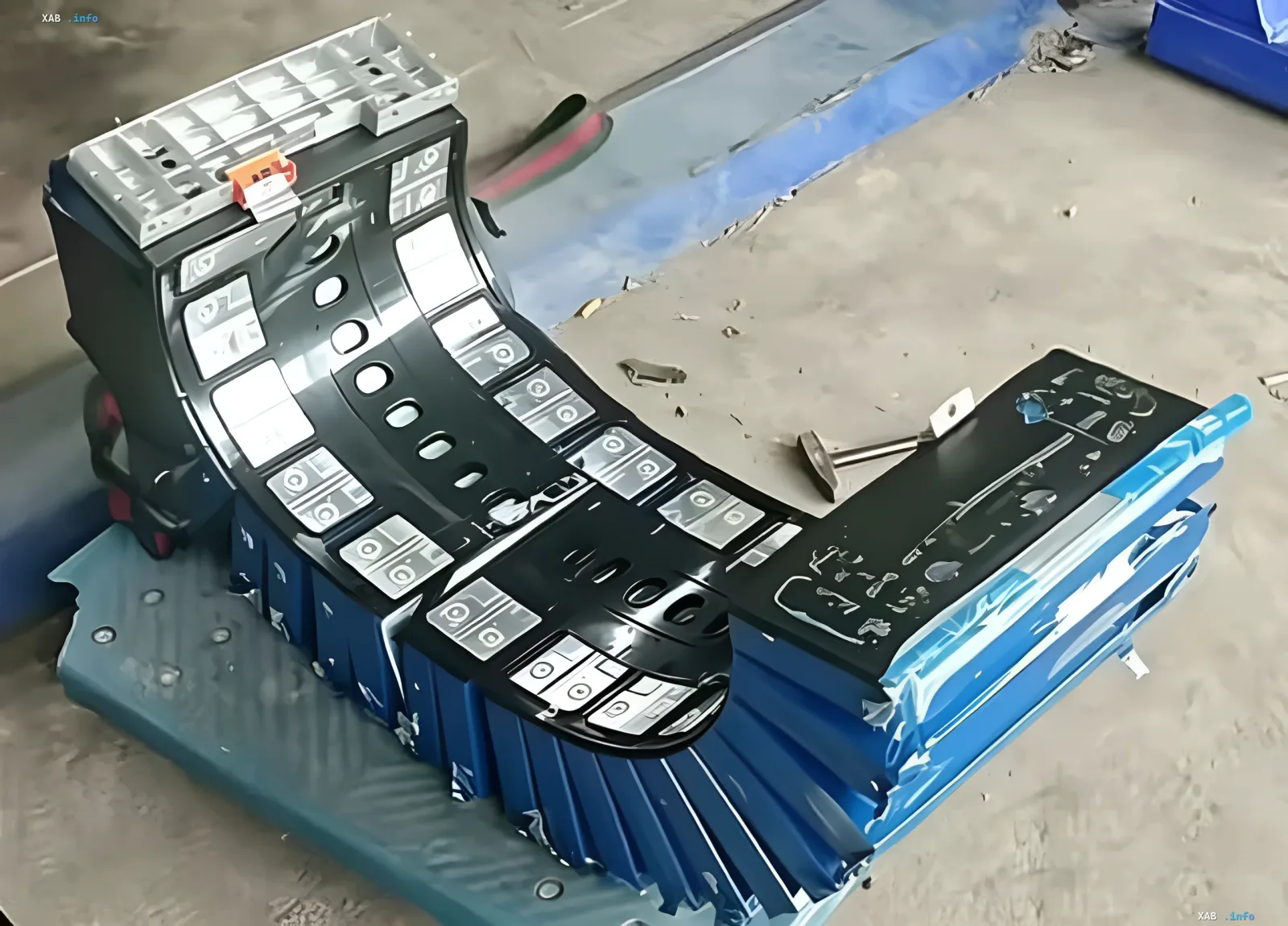
August 10, 2026 — China's largest battery manufacturer, CALB (China Aviation Lithium Battery), has initiated a massive program of technical reforms and a review of production standards. According to sources, the changes were prompted by mass battery failures in GAC Aion electric vehicles. The situation, which has become one of the most discussed in the Chinese automotive industry recently, has forced the manufacturer to take unprecedented measures to strengthen quality control.
Scale of the Problem: 213,000 Vehicles at Risk
The trigger for the reforms was the malfunction of 177 Ah lithium-iron-phosphate (LFP) batteries installed in GAC Aion vehicles. In the first half of July 2026, 182 complaints were registered on Chinese consumer complaint platforms from owners encountering issues. Expert analysis showed that the problem could potentially affect around 213,000 vehicles released over the last two years. The failure rate was approximately 4.7 percent, which is a critically high figure for the electric vehicle industry, where reliability standards are traditionally stricter than for internal combustion engines.
Technical Reforms: Precision to ±1.5%
In response to the crisis, CALB announced a fundamental overhaul of its raw material handling and production processes. The key change was the tightening of control over electrode coating thickness and density. Previously allowed deviations were revised: now, the allowable deviation in surface density must strictly fall within ±1.5 percent. The company's engineers explain that even microscopic variations in coating density can lead to uneven current distribution, overheating, and, consequently, premature battery failure or fire. This change aims to ensure long-term stability and battery safety throughout the entire lifecycle.
Inventory Audit and Logistics Review
In addition to changing production parameters, the company is conducting a full audit of raw material stocks, adhesives, insulating materials, and chemical additives purchased during the 2022–2023 period. This period coincides with the peak of component deliveries that, according to experts, may have contained hidden defects. All measures are designed not only to eliminate current problems with GAC but also to raise safety standards in the global electric vehicle industry, where CALB is a key player.
Contradictory Data
While CALB has officially confirmed the start of reforms and the audit, there are discrepancies in the assessment of the incident's scale. The company's official reports indicate a 4.7% failure rate, however, independent analysts interviewed by Ixbt.com suggest that the real figure could be higher, as many vehicle owners did not file official complaints, preferring to resolve issues through service centers. Furthermore, GAC Aion has not yet issued an official statement on whether a recall will be announced for all 213,000 vehicles, or if repairs will be conducted on a case-by-case basis as customers report issues.
Impact on the Market and Consumer Trust
This incident has dealt a serious blow to the reputation of Chinese battery manufacturers, which in 2026 have already faced pressure from Western regulators. Strengthening quality control by CALB is undoubtedly a positive step, however, restoring consumer trust will take time. The electric vehicle market is extremely sensitive to safety issues, and mass battery failures could lead to a decline in sales not only for GAC but also for other brands using CALB components.