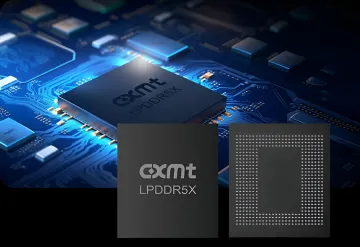
August 9, 2026. The global semiconductor landscape is undergoing fundamental changes. Chinese company ChangXin Memory Technologies (CXMT), long in the shadow of global giants, has announced massive expansion plans. According to recent data, Beijing intends not just to maintain the status quo but to radically reshape the balance of power, taking a significant market share from the traditional "big three" — Samsung, SK Hynix, and Micron.
The "Sixth Factory" Strategy and CXMT's Ambitions
The cornerstone of the company's new strategy is the decision to build a sixth chip manufacturing plant. This move is seen as key to achieving the stated goals: by 2030, CXMT plans to capture up to 30% of the global DRAM market. To understand the scale of these ambitions, it is worth noting that the Chinese manufacturer's current market share is around 6-7%. The remaining 90% of the market is tightly controlled by Korean and American corporations. Implementing the sixth factory project will allow CXMT to make a qualitative leap in production volumes, transforming the company from a regional player into a global leader.
Current Capacity and Growth Rates
Currently, CXMT operates three active DRAM memory manufacturing plants. Although official data on exact throughput remains confidential, unofficial sources and industry analysts estimate the capacity of each facility at around 100,000 silicon wafers per month. Thus, the company's total production volume is currently approximately 300,000 wafers monthly. This is an impressive figure, which, however, only reflects current potential. The company is already in the process of building two more factories, which alone will allow it to double current output volumes even without counting the planned sixth facility.
Crisis as an Opportunity for Expansion
CXMT's decision to scale up production was made against the backdrop of a global crisis in the memory industry. While competitors were forced to cut investments or revise strategies amid market volatility, the Chinese manufacturer bet on aggressively ramping up capacity. Launching modern DRAM memory precisely during this period allowed the company to occupy a niche vacated due to competitors' slowing growth rates. Now that the market is showing signs of recovery, CXMT is ready to offer the market a significantly larger volume of products than was possible just a year ago.
Contradictory Data
Despite optimistic forecasts, there are disagreements regarding the realism of CXMT's plans and the exact timelines for their implementation. On the one hand, official statements and leaks from sources close to management confirm the intention to build a sixth factory and reach a 30% share by 2030. On the other hand, analysts note that such growth rates require unprecedented investments and the absence of technological barriers from Western countries. Furthermore, there are discrepancies in estimates of the current market share: some sources cite a figure of 6-7%, while others point to more modest indicators, which may indicate inflated expectations regarding future growth.