
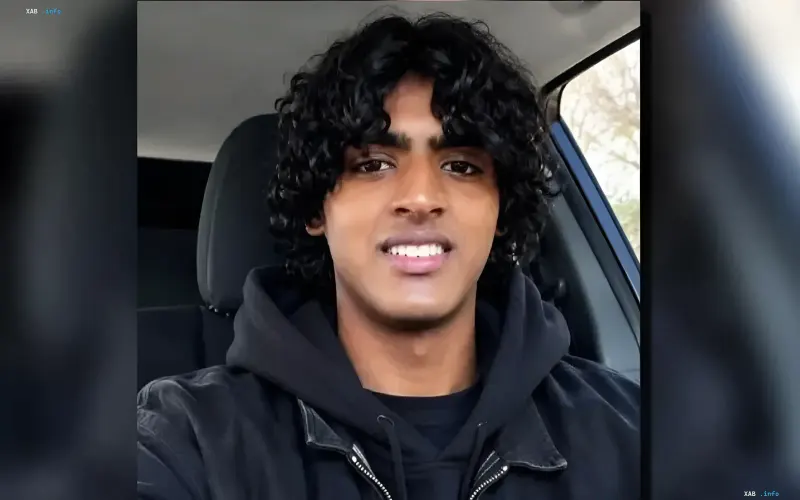
In the town of Acton, Massachusetts, a tragedy occurred that has already become the subject of heated debates at the intersection of criminology and artificial intelligence ethics. On August 11, 2026, the bodies of 45-year-old Sudha Venkatesan and her 14-year-old son Siddharth Aravind were found in one of the private homes. The suspect in the double murder was their 17-year-old son, Arjun Aravind.
Digital Footprint: From Fantasy to Reality
During the preliminary investigation, law enforcement officers discovered a disturbing digital footprint of the suspect. Arjun Aravind actively used the ChatGPT neural network to create texts containing scenarios of killing his family members. According to the investigation, the teenager did not just seek information but held dialogues in which he developed detailed "fictional stories" and "theoretical ideas" about harming his relatives. Investigators characterize these exchanges as "dark gothic stories" that could serve as key evidence of intent.
Timeline of Events and Arrest
According to official data, after committing the crime, Arjun left the scene in a car belonging to his mother. A police chase and search operations led to the arrest of the teenager in an area located approximately 21 kilometers from Acton. During a search of the vehicle, items were seized which, according to experts, may have a direct connection to the investigation of the circumstances of the woman's and child's death.
Legal Consequences and Defense Position
Arjun Aravind was brought to court, where he was charged with the murder of two people. At the hearing, the suspect did not plead guilty. The court ruled that the teenager would remain in custody without bail until further consideration of the case. This decision is related to the severity of the charges and the potential danger to society that the accused may represent.
Contradictory Data
At present, there are discrepancies in the interpretation of the role of artificial intelligence in the case. On the one hand, investigative agencies emphasize that ChatGPT was used for "scenario planning" and creating a psychological background for the crime. On the other hand, official representatives of law enforcement agencies have not yet made a final conclusion that the neural network became the direct cause or catalyst of the tragedy. While the public leans towards the version of "harmful influence of AI," the investigation continues to study the teenager's psychological state and his motives, without linking them exclusively to the use of a chatbot.
Public Resonance and AI Ethics
The Aravind case has once again brought to the agenda the issue of the safety of using generative neural networks by minors. Cybersecurity and ethics experts note that such cases require a review of content moderation algorithms in chatbots. The ability of AI to generate violence scenarios without clear restrictions is becoming a subject of close attention for regulators, who are considering the possibility of introducing new security protocols to prevent such tragedies.