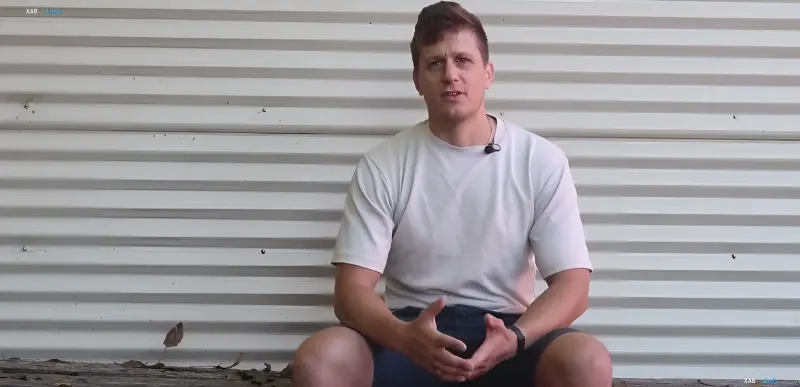
On August 11, 2026, the technological and medical world learned about the emergence of the startup Gamgee from the "shadows," which officially announced the start of clinical trials for personalized mRNA vaccines for dogs. This event marked the culmination of a story that began in 2024, when Sydney entrepreneur Paul Conyngham refused to accept the veterinarians' verdict on his dog, Rosie. Today, two years later, what began as a desperate attempt to save a pet using a chatbot has transformed into a full-fledged biotechnology company under the wing of the legendary Y Combinator accelerator.
How ChatGPT and AlphaFold Saved Rosie's Life
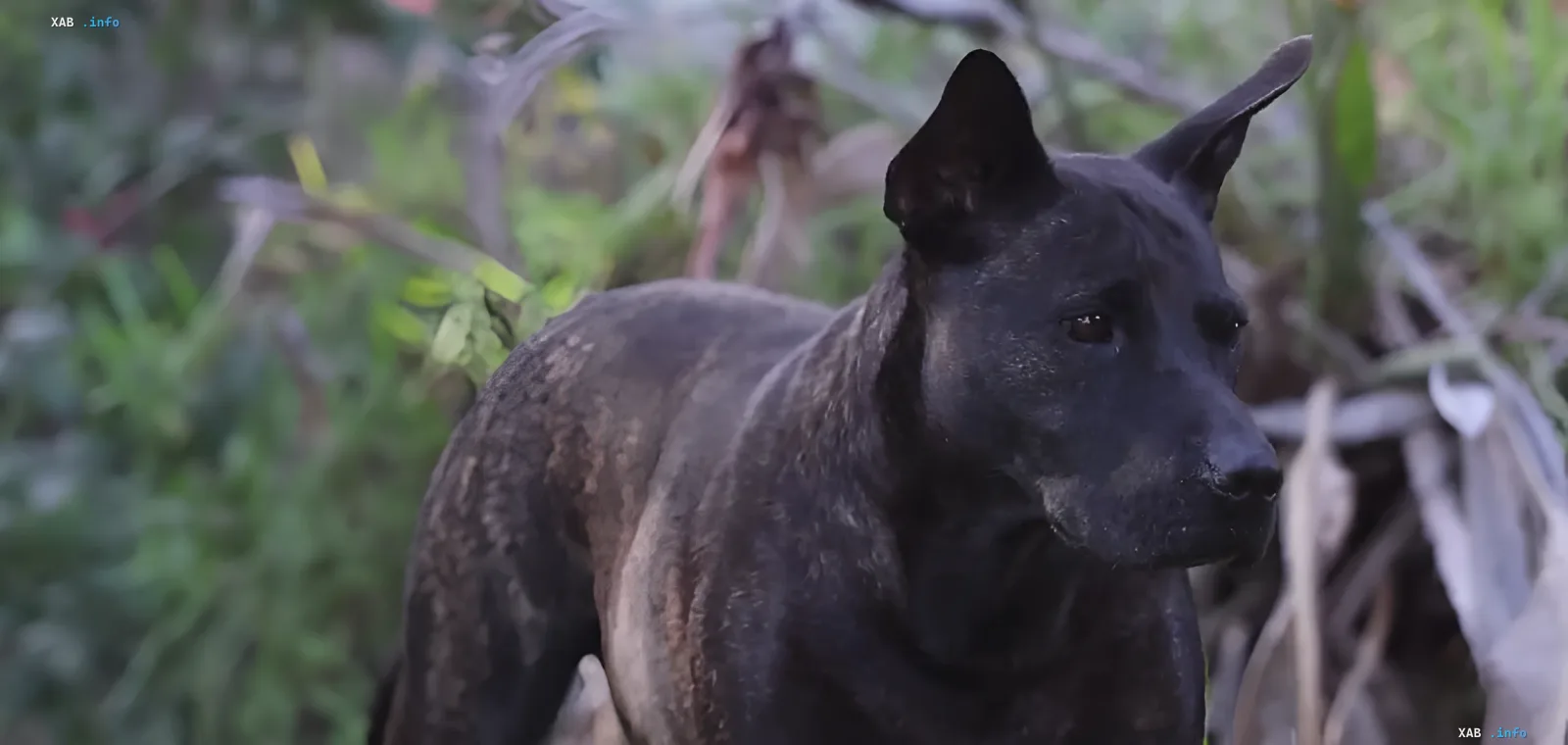
In 2024, Rosie, Paul's beloved dog, was diagnosed with aggressive mastocytoma — cancer of mast cells. Veterinarians gave her only a few months to live. Lacking specialized biological education, Conyngham decided to use the latest artificial intelligence tools. He uploaded gigabytes of tumor sequencing data into ChatGPT and Google DeepMind's AlphaFold neural network. With the help of AI, he calculated neoantigens — unique genetic markers of the tumor against which the immune system could be targeted — in just 48 hours.
The result exceeded all expectations. The vaccine blueprint was so accurate that scientists from the RNA Institute at the University of New South Wales (UNSW) agreed to synthesize a real drug based on it. The vaccine was delivered in the form of lipid nanoparticles, and the effect was instantaneous: tumors on Rosie's paws decreased by 50–75% in just a few weeks. The dog returned to an active life and remains alive to this day, serving as living proof of the method's effectiveness.
From a Private Case to a Global Business
The success with Rosie did not remain in the shadows. The case became so prominent that it was cited during hearings in the US Senate as an example of the future of evidence-based medicine. Now, Gamgee offers veterinarians and owners a conveyor-belt system: "Tumor in, vaccine out." The process takes about 4 weeks: the veterinarian takes a biopsy, AI designs the vaccine, and the laboratory synthesizes the drug and sends it back.
The startup has officially entered the prestigious American accelerator Y Combinator (Summer 2026 batch), confirming the seriousness of the team's intentions. Gamgee has opened applications for the first controlled clinical trial involving 30 dogs. The trials will take place in Australia, however, the startup is already accepting applications from veterinary oncologists and owners of sick dogs from around the world via its official website.
Why This Is Important for Humans
Dogs are an ideal model for developing oncological drugs. Unlike laboratory mice, cancer develops naturally in dogs, and their immune system is similar to the human one. A full-scale launch of Gamgee could spark a revolution: personalized vaccines for dogs will appear on the market sooner than for humans, becoming a "testing ground" for refining human mRNA therapy. This could pave the fastest path to treating humans, cutting years off the development process.
Contradictory Data
Despite the successes, skepticism remains within the scientific community. Veterinary oncologists call for cautious optimism. Stories of "one patient" (Rosie) are insufficient in science to confirm the effectiveness of a method. This is precisely why Gamgee is launching an official clinical trial on 30 dogs to prove the safety and reproducibility of the method. Furthermore, it is important to note that the vaccine is not a panacea or a complete cure in the conventional sense — Rosie's cancer has been controlled, but not completely eliminated. The drug's task is to train T-lymphocytes and macrophages to continuously attack mutated cells, turning a death sentence into a controlled chronic disease.
Genetic Crisis in Purebred Dogs
Cancer is the leading cause of death in adult dogs. Approximately 6 million diagnoses are recorded annually in the US alone. Since purebred breeds have been bred in closed pools for centuries, their genetic predisposition to oncology is abnormally high. The veterinary oncology market is huge, and owners spend thousands of dollars on ineffective chemotherapy. Gamgee offers an alternative that could change the rules of the game in treating oncology in both animals and humans.