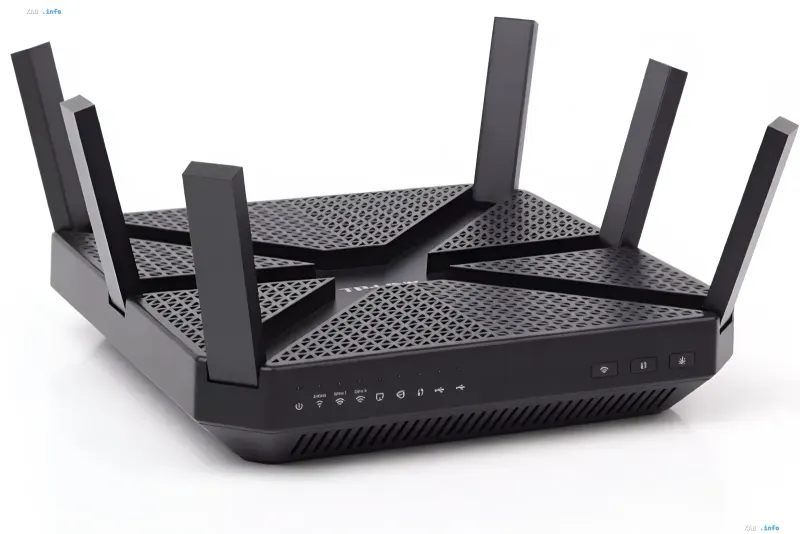
The U.S. Federal Communications Commission (FCC) has sent two letters to the California-based division of TP-Link Systems, in which the regulator's Office of Engineering and Technology reports that several of the company's router models have exceeded established power limits. According to preliminary FCC data, TP-Link "provided false or inaccurate information in certification applications" for four models, three of which testing showed went beyond acceptable power thresholds. Experts note that this could serve as grounds for banning the sale of even those devices already on the market.
Which Models Are Affected by the Audit
According to the regulator, a wide range of products is involved: from a premium Archer-series gaming router retailing for around $600 to a compact entry-level travel device costing roughly $140. In letters dated October 15, the FCC demands that TP-Link "provide a detailed response with supporting documentation by October 30," while also involving the agency's national security specialists in the correspondence.
TP-Link's Position: "Isolated Deviations"
A TP-Link representative stated that the company will review the router data, retest them if necessary, and take corrective action if a problem is found. According to the representative, potential violations of this nature should be viewed merely as "isolated deviations from the norm." They also emphasized that these four devices collectively account for less than 0.33% of the company's total U.S. sales this year.
Context: Company Split and Security Concerns
TP-Link, founded in China three decades ago, completed its split into two independent structures in 2024: an American division headquartered in Irvine, California, and a Chinese division based in Shenzhen. The U.S. company has sought to distance itself from its Chinese counterpart; however, according to a Bloomberg investigation last year, it still maintains extensive operations in mainland China. Some U.S. officials express concern that the Chinese government might attempt to co-opt TP-Link into cyberattacks, though the company itself rejects such suggestions.
What's Next: Import Ban and Push for U.S. Manufacturing
In March, the FCC imposed a ban on the sale of all new foreign-made router models unless a company obtains a special waiver. TP-Link's competitors—Netgear, Eero (owned by Amazon.com), and Asustek Computer—have already secured such waivers, whereas TP-Link has not. Recently, the company expressed readiness to invest $1 billion in establishing manufacturing facilities in the United States, hoping to secure regulatory approval this way. The outcome of the correspondence with FCC, which must conclude by October 30, could determine whether TP-Link remains in the U.S. market or yields it to competitors who have already completed the certification process.