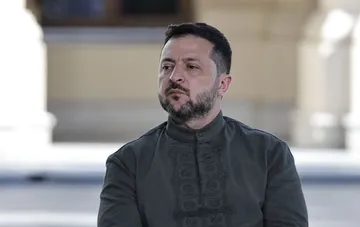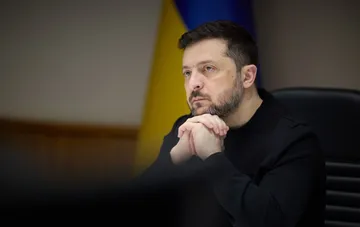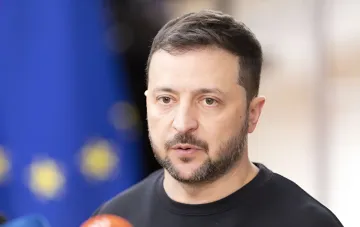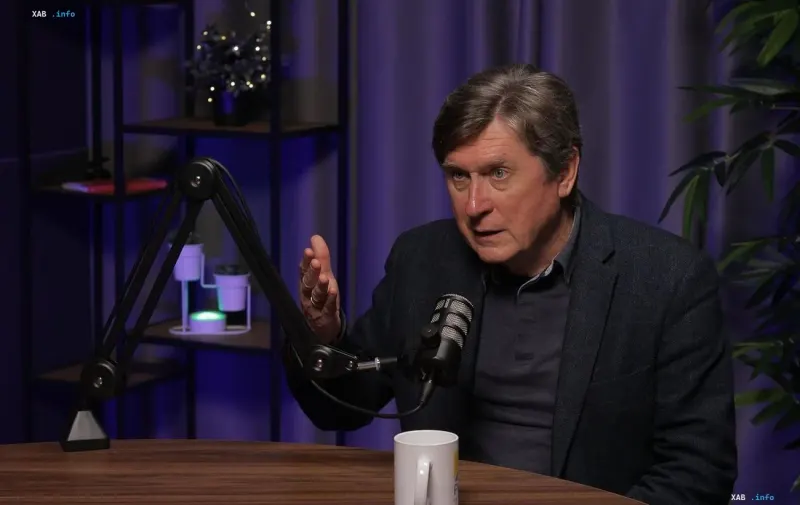
The recent escalation in relations between Washington and Kyiv has exposed the fragility of diplomatic agreements against the backdrop of large-scale geopolitical processes. As Ukrainian political analyst Volodymyr Fesenko points out, the sharp attacks by US President Donald Trump against Ukraine and Volodymyr Zelenskyy came as a surprise to many observers, yet they conceal pragmatic pre-election maneuvers and new initiatives from Moscow. Against this backdrop, support for the Ukrainian leader inside the country has surged again, while experts continue to analyze the causes of this latest transformation in American foreign policy.
The Phenomenon of Political Swings and the Diesel Deal
According to the expert, predictability in the actions of the US administration is virtually non-existent, perfectly illustrating the phenomenon of the so-called Trump swings. The situation escalated following the conclusion of a diesel agreement between Russia and Ukraine (and the US), which served as a symbolic pre-election gift for the White House. Russian President Vladimir Putin offered petroleum product supplies amounting to 300,000 tons in October and 500,000 tons in November, allowing Washington to demonstrate fuel price stabilization to voters. Such moves by Moscow effectively negated preliminary agreements on an energy truce and laid the groundwork for a serious crisis in the US-Ukrainian dialogue.
Energy Truce and Pressure on Kyiv
Ukraine's initial position was based on its readiness to halt strikes on Russian oil refineries exclusively on the condition of a mirror response from Moscow halting attacks on critical Ukrainian infrastructure. However, following the conclusion of the oil deal, pressure on Kyiv from the United States intensified, taking on a targeted and unofficial character. This involved technical restrictions on the operation of Starlink terminals, reduced bandwidth for military communication modifications, and delays in transmitting critical intelligence regarding missile threats. Such leverage is used by Washington to compel Ukraine to make concessions without reciprocal security guarantees.
Similarities Between Leaders and Settlement Prospects
Despite obvious contradictions and diametrically opposed positions, the political analyst draws attention to a certain psychological similarity between Volodymyr Zelenskyy and Donald Trump. Both leaders are prone to strong emotions and making non-standard decisions in critical situations, which often complicates the negotiation process. Under the current circumstances, the Ukrainian leadership continues to insist on engaging a wide circle of international partners, including European states and China, capable of exerting real influence on the Kremlin's position and ensuring a long-term balance of power.
Significance of the Current Crisis and Potential Consequences
Examining the prospects for future developments, experts agree that the current tension in Kyiv-Washington relations is systemic and directly linked to the US domestic political calendar. Washington's attempts to balance the demands of the election campaign with the need to contain Russia create serious risks for the European security architecture. The further course of events will depend on the American administration's readiness to take Ukraine's strategic interests into account, as well as Kyiv's ability to maintain a firm negotiating stance under external pressure.