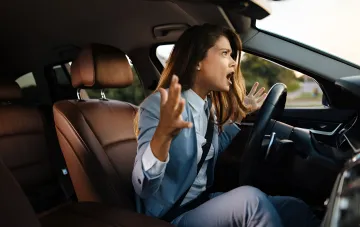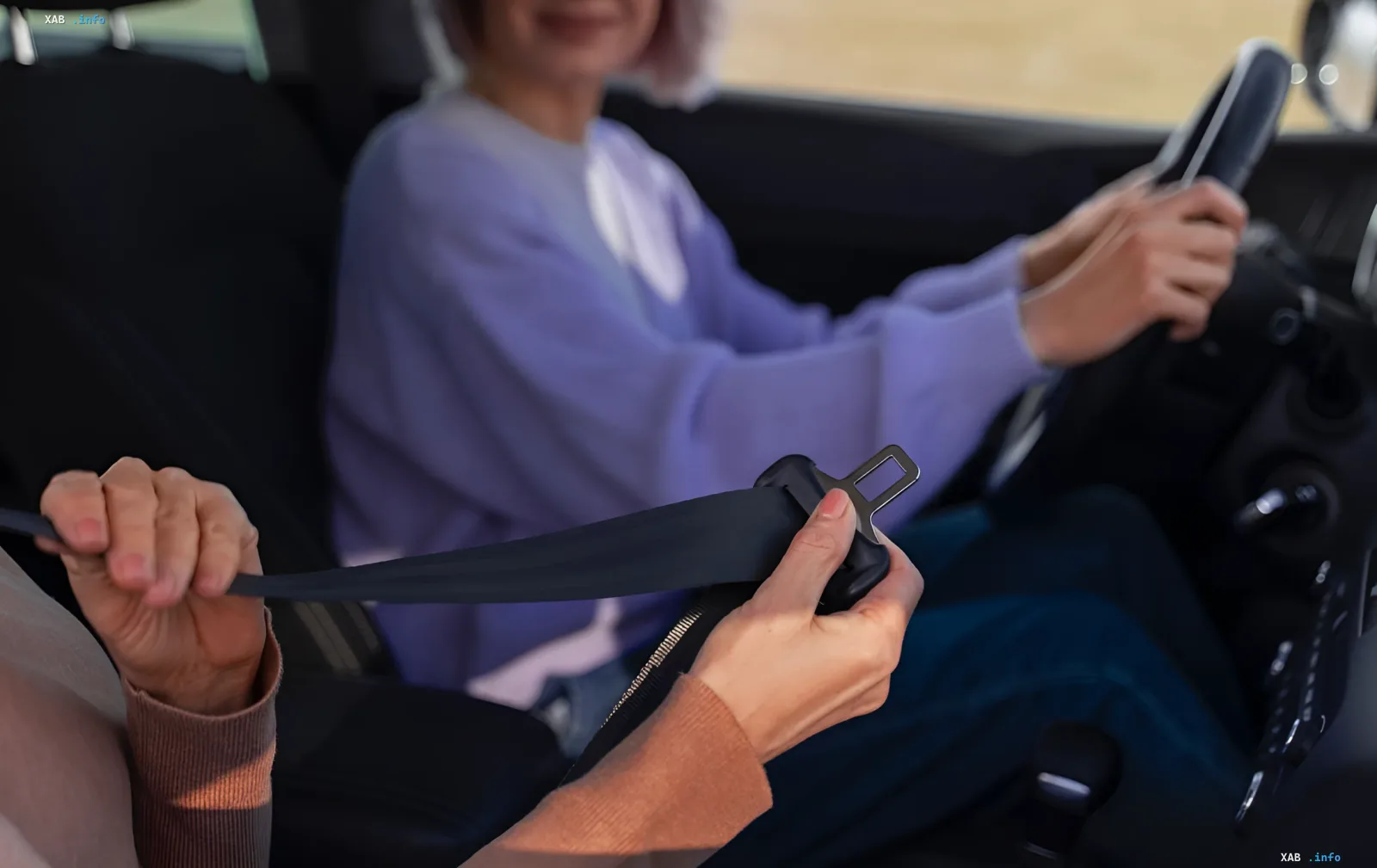
In Ukraine, an important nuance in the Rules of the Road has been identified, concerning passenger safety and driver liability. Many car owners mistakenly believe that if a passenger is not buckled up, the fine will be issued only to them. However, the legislation places the burden of responsibility on the driver.
Driver and passenger obligations
According to clause 2.3 "c" of the Rules of the Road (RoR), the driver is obliged not only to use a seatbelt themselves but also not to transport unbuckled passengers. This means that before starting the vehicle, it is the driver who must ensure that everyone in the cabin is buckled up.
In turn, clause 5.2 "b" of the RoR obliges every passenger of a vehicle equipped with seatbelts to use them during the trip. Thus, everyone without exception must buckle up.
Fine amount and enforcement practice
Violations of seatbelt usage rules are subject to liability under Part 5 of Article 121 of the Code of Ukraine on Administrative Offenses (CUAO). The fine amounts to 30 non-taxable minimum incomes of citizens, which currently equals 510 UAH.
Despite the RoR explicitly obliging the passenger to buckle up, in practice, the fine is most often issued to the driver. The fact is that the CUAO lacks a separate provision establishing administrative liability specifically for the passenger for this violation. Since the driver is prohibited from transporting people without seatbelts, they become the responsible person in the eyes of the inspector.
Importance of checking before the trip
Experts and lawyers emphasize: before starting the trip, the driver must personally ensure that all passengers are using seatbelts. This is not only a matter of complying with the law but also a guarantee of safety for all road users.
The Rules of the Road provide for several exceptions to the general rule, however, they concern specific situations and do not cancel the need to buckle up under standard conditions.
Previously, RBK-Ukraine has covered other important aspects of the RoR: when to turn on the turn signal when changing the direction of the main road, in which cases the driver must yield to a minibus leaving a stop, as well as when one can continue moving on a yellow traffic light signal or drive in the left lane without violating the rules.