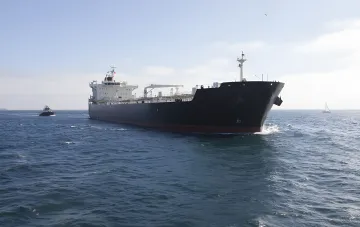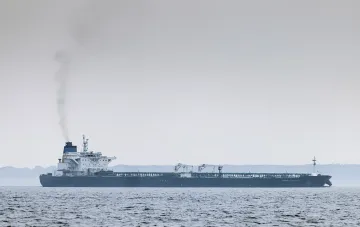
The NASA FIRMS satellite monitoring system has once again detected thermal anomalies in the waters of the Sea of Azov. The data indicates the emergence of new fire hotspots, which may suggest the continuation of attacks on Russia's so-called "shadow fleet" vessels used to transport oil in circumvention of international sanctions.
Thermal anomalies in the Sea of Azov
According to information published by the Telegram channel Exilenova+ and reported by RBK-Ukraine, satellite imagery confirms the presence of fires in the area where strikes on Russian tankers have been previously recorded. These data suggest that actions against the oil fleet are continuing, despite Moscow's attempts to conceal the scale of losses.
Fire at the 'Kavkaz' railway station
In addition to incidents at sea, the NASA FIRMS system recorded a fire at the 'Kavkaz' railway station in the Krasnodar Krai. This hub is of strategic importance for Russian logistics, as it hosts routes ensuring the supply of the temporarily occupied Crimea.
Damage to or destruction of key infrastructure elements at the station could significantly hinder the transfer of cargo and equipment to the peninsula, which is particularly relevant given the ongoing conflict.
Lack of official comments
At the time of publication, no official explanations from Russian authorities regarding the causes of the fires and the scale of damage had been received. Authorities typically try to minimize information about such incidents to avoid revealing vulnerabilities in their logistics system.
Context: attacks on Odesa
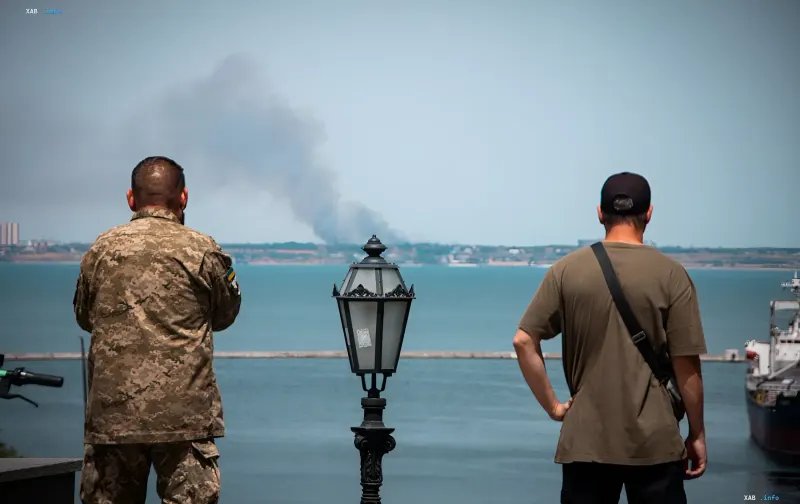
It is worth recalling that on the evening of July 12, Russian forces carried out a strike on the Odesa region using drones. As a result of the attack, a multi-story residential building and a commercial facility were damaged in the Odesa district. Fires were promptly extinguished, however, information about possible casualties was being clarified at that time.
These events demonstrate that tensions in the region remain high, and both sides continue to use various methods to achieve their goals—whether striking infrastructure or protecting their own interests.