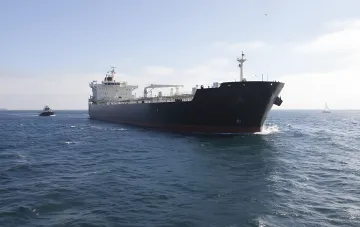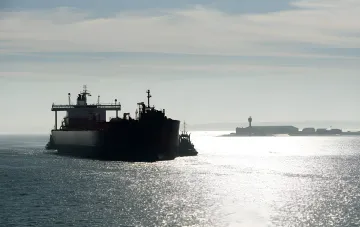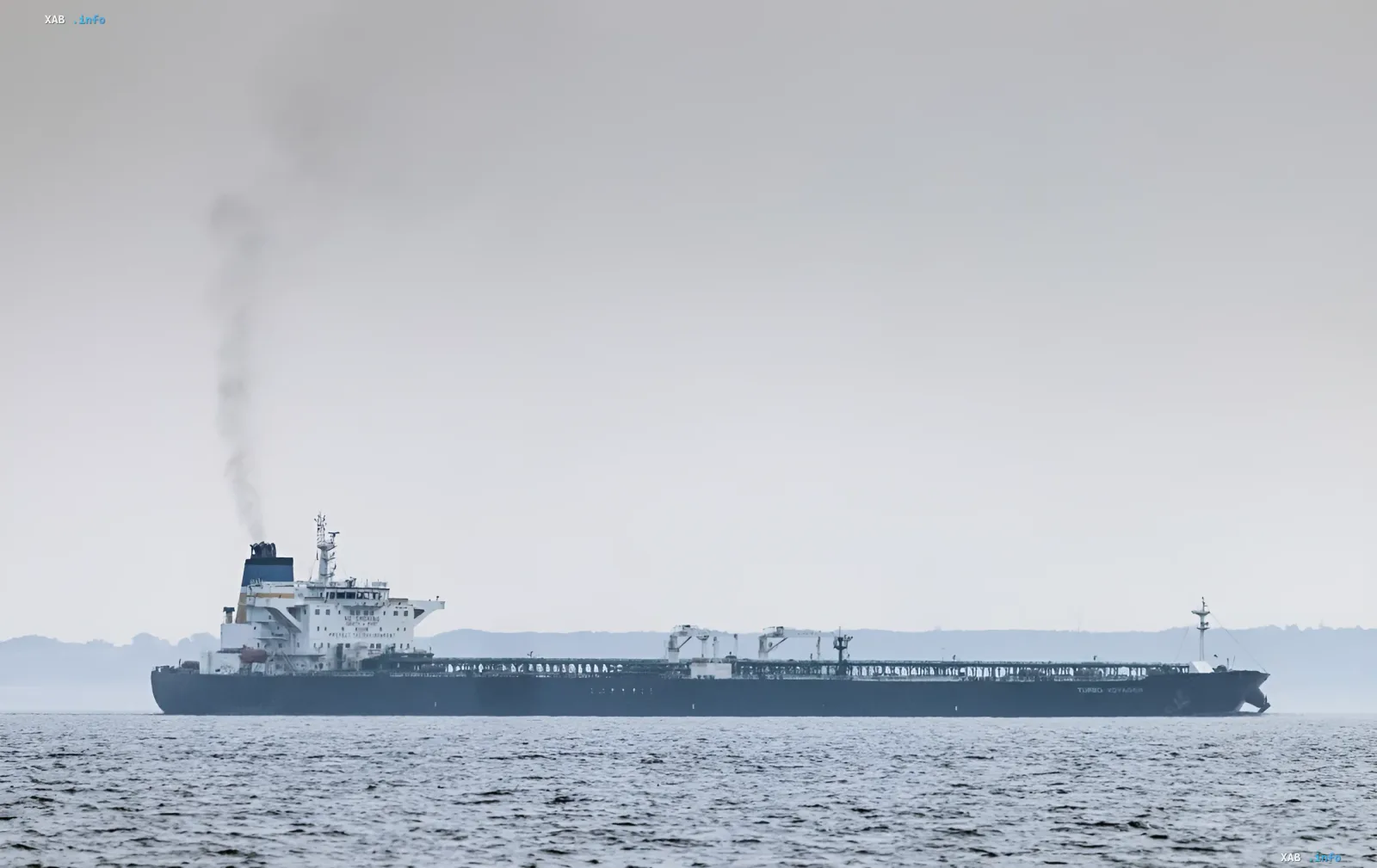
Ukrainian maritime unmanned systems carried out a large-scale operation in the waters of the Black and Azov Seas, delivering a crushing blow to Russia's logistical infrastructure. The Ukrainian Unmanned Systems Forces (USF) officially confirmed the destruction of 159 units of the so-called "shadow fleet" between July 6 and July 17. This campaign, code-named "MOLOCHKA," demonstrates unprecedented scales of asymmetric warfare at sea.
Massive strike against logistics
The climax of the operation occurred on July 17, when Ukrainian unmanned boats of the "USF Birds" struck 12 vessels in the Black Sea within a single day. This was reported by the Commander of the Ukrainian Unmanned Systems Forces, "Madyar". Over the course of the 12-day active phase of the operation, the number of destroyed ships rose to 159 units.
The statistics of the strikes are distributed as follows:
- Azov Sea: 117 struck vessels.
- Black Sea: 42 struck vessels.
The goal of the operation, announced by the USF command, was the complete paralysis of logistical chains. Russia uses these vessels to transport oil, fuel, and other cargo, attempting to bypass international sanctions.
Tactics of "safe" destruction
A distinctive feature of Ukrainian drone tactics is the precision of the strikes. According to USF representatives, each struck vessel is turned into an immobile barge, losing the ability to move independently. At the same time, operators intentionally avoid creating large holes in the tanks.
This approach is dictated by environmental considerations: the task is to immobilize the "shadow" fleet without allowing oil spills or pollution of the sea waters. This allows for inflicting economic damage on the adversary while minimizing risks to the environment.
Context of escalation
Strikes on maritime communications are taking place against the backdrop of increased pressure on Russian infrastructure in Crimea. Previously, drones attacked Kerch, where railway infrastructure caught fire as a result of the strikes. The attack began late in the evening and continued until morning, demonstrating the USF's ability to conduct combat operations at night.
Parallel to military actions at sea, the international community is increasing sanctions pressure. US Senator Lindsey Graham supported a new tough package of sanctions against the Russian Federation, aimed at finally closing the Kremlin's opportunities to bypass restrictions through intermediaries and shadow schemes.