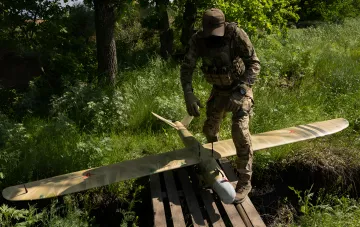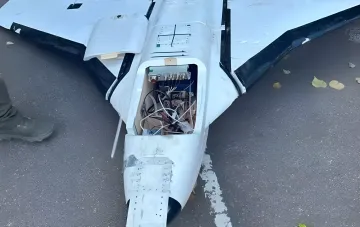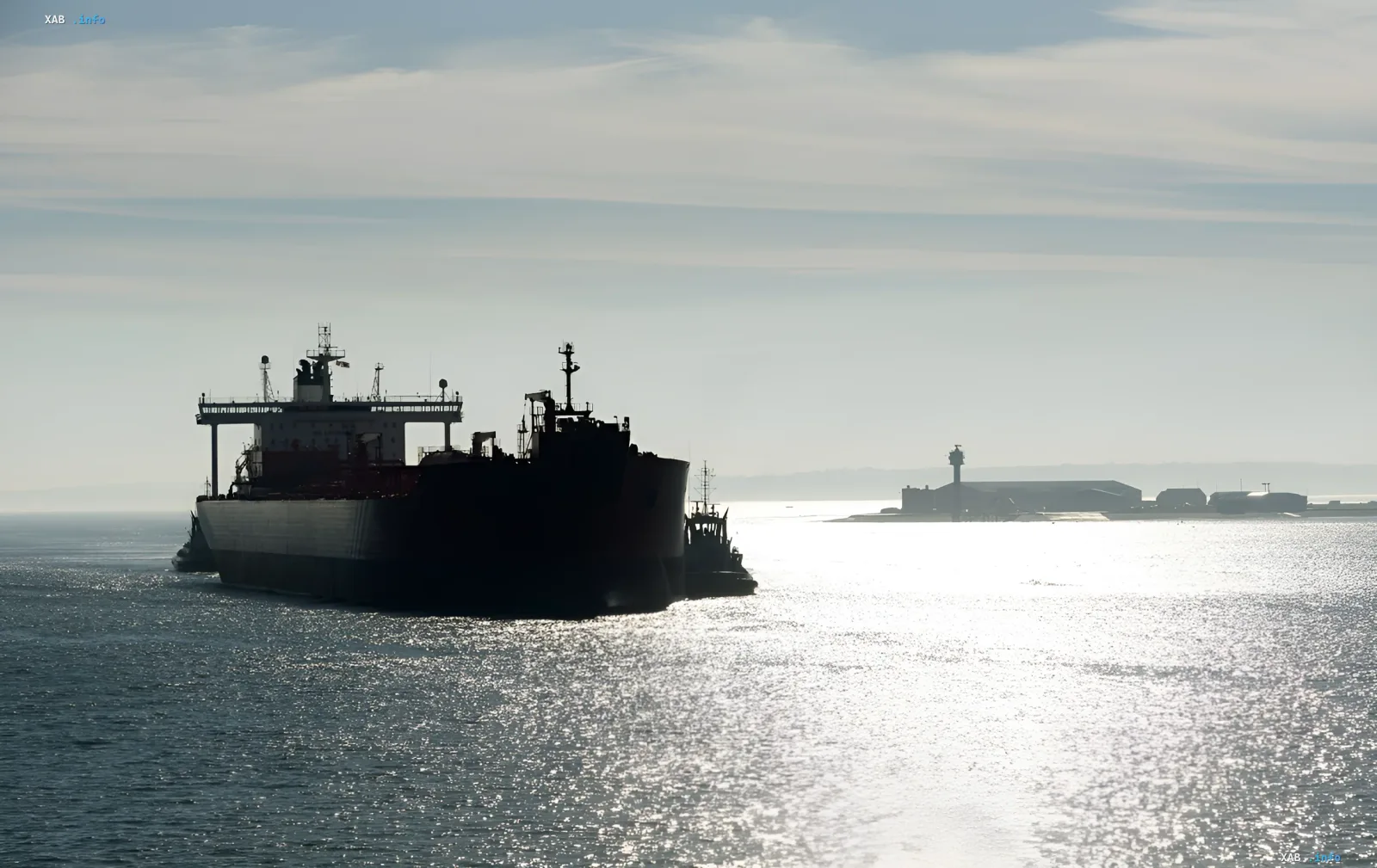
Between August 1 and August 8, 2026, the Ukrainian Unmanned Systems Forces (USF) conducted a series of successful strikes against the infrastructure of Russia's 'shadow fleet.' According to USF Commander Robert Brovdi, 12 Russian vessels were hit in the waters of the Black and Azov Seas during the reporting week. The attacks were carried out as part of a large-scale operation codenamed 'Molochka,' which has become a key element of Kyiv's naval strategy for the current year.
Scale of the operation and strike statistics
Operation 'Molochka,' which began on July 6, 2026, demonstrates an unprecedented intensity in the use of unmanned technologies against maritime targets. Between July 6 and August 8, Ukrainian operators successfully engaged 218 enemy vessels. The geography of the strikes covers two key regions: 134 ships were destroyed in the Azov Sea, and 84 in the Black Sea. This indicates that Ukrainian drones effectively control not only open waters but also internal waterways traditionally considered a zone of influence for the Russian fleet.
The 'shadow fleet' strategy and Kyiv's response
Russia's 'shadow fleet,' consisting of vessels transferred to neutral flags or covertly used for logistics, has become the primary target for the USF. The goal of the attacks is not only the physical destruction of equipment but also the creation of economic instability for Russian carriers. Sequential strikes, which began in mid-July when 11 to 13 vessels were hit overnight, have made Russian logistical chains in the region extremely vulnerable. The USF command emphasizes that each strike undermines Russia's ability to move cargo and resources under sanctions pressure.
Tactics and effectiveness of unmanned systems
The success of Operation 'Molochka' is due to the refinement of tactics for using maritime drones. Ukrainian operators use combined strikes, allowing them to hit ships at different points in the water area simultaneously. Statistics show that in recent weeks, the number of hit ships has grown geometrically: from 4 ships in early July to 12 in one week in August. This suggests that the USF has not only increased the number of drones but also improved their targeting accuracy, making the 'shadow fleet' practically unable to function normally.
Contradictory data
While the Ukrainian side reports hitting 12 ships in a week, Russian sources and independent observers often do not confirm these figures, citing a lack of official data on losses. Additionally, there are discrepancies in the classification of damaged objects: some may be small boats or auxiliary vessels, which affects the assessment of actual damage. Nevertheless, even if some data is exaggerated, the fact of regular attacks and their frequency is beyond doubt.
Prospects for the development of the conflict at sea
Operation 'Molochka' could set a precedent for further actions by the Ukrainian side in the Black and Azov Seas. If the current pace of attacks is maintained, Russia's 'shadow fleet' may face a critical shortage of vessels, leading to a revision of logistical routes and an increase in shipping costs. In the long term, this could weaken Russia's economic position and strengthen Ukraine's position in negotiations on a peaceful settlement.