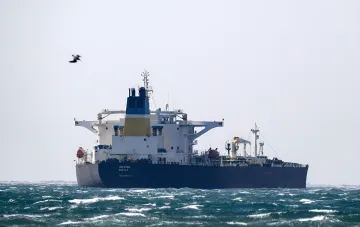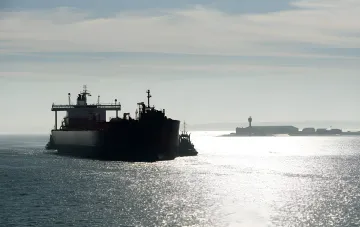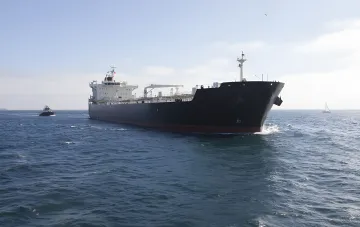
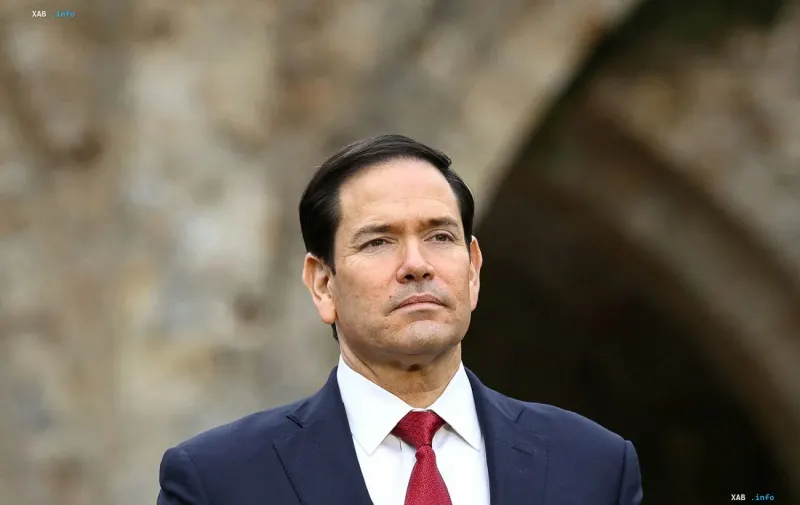
US Secretary of State Marco Rubio stated on Fox News that over the past several months, vessels linked to the United States have repeatedly come under attack by Ukraine. According to him, such incidents were likely unintentional, but in Washington this situation is considered one that cannot be ignored. “In recent months, US-linked vessels have repeatedly been targeted — likely unintentionally, but still — by Ukraine,” Rubio emphasized, adding: “We cannot allow this to continue. This problem needs to be resolved.”
Context: the Chevron tanker incident
The United States had previously raised the issue of strikes on vessels in the Black Sea. In late July 2026, Washington officially called on Ukraine to refrain from attacking non-Russian vessels after a tanker chartered by the American company Chevron was damaged in one of the operations. This incident became a cause for diplomatic pressure and subsequent negotiations between the two sides on shipping security in the region.
Agreement on Kazakh oil
According to Bloomberg, as a result of these negotiations, Ukraine agreed not to strike certain non-Russian tankers and infrastructure facilities in the Black Sea that are critical for the export of Kazakh oil. Thus, formally, Kyiv took on the obligation to protect part of civilian shipping; however, as follows from Rubio's statement, violations continue to be recorded.
Operation “MoLoChKa” and the shadow fleet
At the same time, Ukraine's Unmanned Systems Forces continue operation “MoLoChKa,” aimed at the Russian shadow fleet. According to the commander of the Armed Forces of Ukraine's Unmanned Systems Forces, Robert “Madyar” Broydi, over ten weeks of the operation Ukrainian military forces have struck 285 vessels in the Black and Azov Seas. It is precisely this large-scale campaign that, in essence, creates the conditions for the accidental damage of civilian and foreign vessels, which is likely what Rubio has in mind when speaking of the “unintentional” nature of the incidents.
Contradictory data
The statements of the parties and the wording of various sources show inconsistencies. On the one hand, Rubio directly points to the “unintentional” nature of the attacks, which softens the accusation and classifies the incidents as collateral damage (unintended consequences). On the other hand, the very fact of filing a public complaint and the demand to “resolve the problem” indicate that Washington views these events as a systemic issue requiring political, not merely technical, measures. Moreover, there is an obvious tension between Ukraine's formal agreement not to attack certain non-Russian tankers (according to Bloomberg) and the ongoing “MoLoChKa” operation with hundreds of vessels struck: clear criteria for distinguishing “shadow” Russian vessels from civilian/foreign ones do not always allow errors to be avoided. Different media outlets also classify the affected vessels differently — from “US-linked vessels” to “oil vessels” — indicating the absence of a single public classification of the incidents.