A unprecedented event has occurred in the history of the global automotive industry. Workers at the Hyundai Motor plant in South Korea have declared a partial strike, becoming the first in the industry to halt production due to the threat of introducing humanoid robots. The trigger for the conflict was the presentation of the Atlas robot, which provoked a sharp reaction from the union and jeopardized the Korean giant's plans for automation.
The Atlas Robot and the Union's Reaction
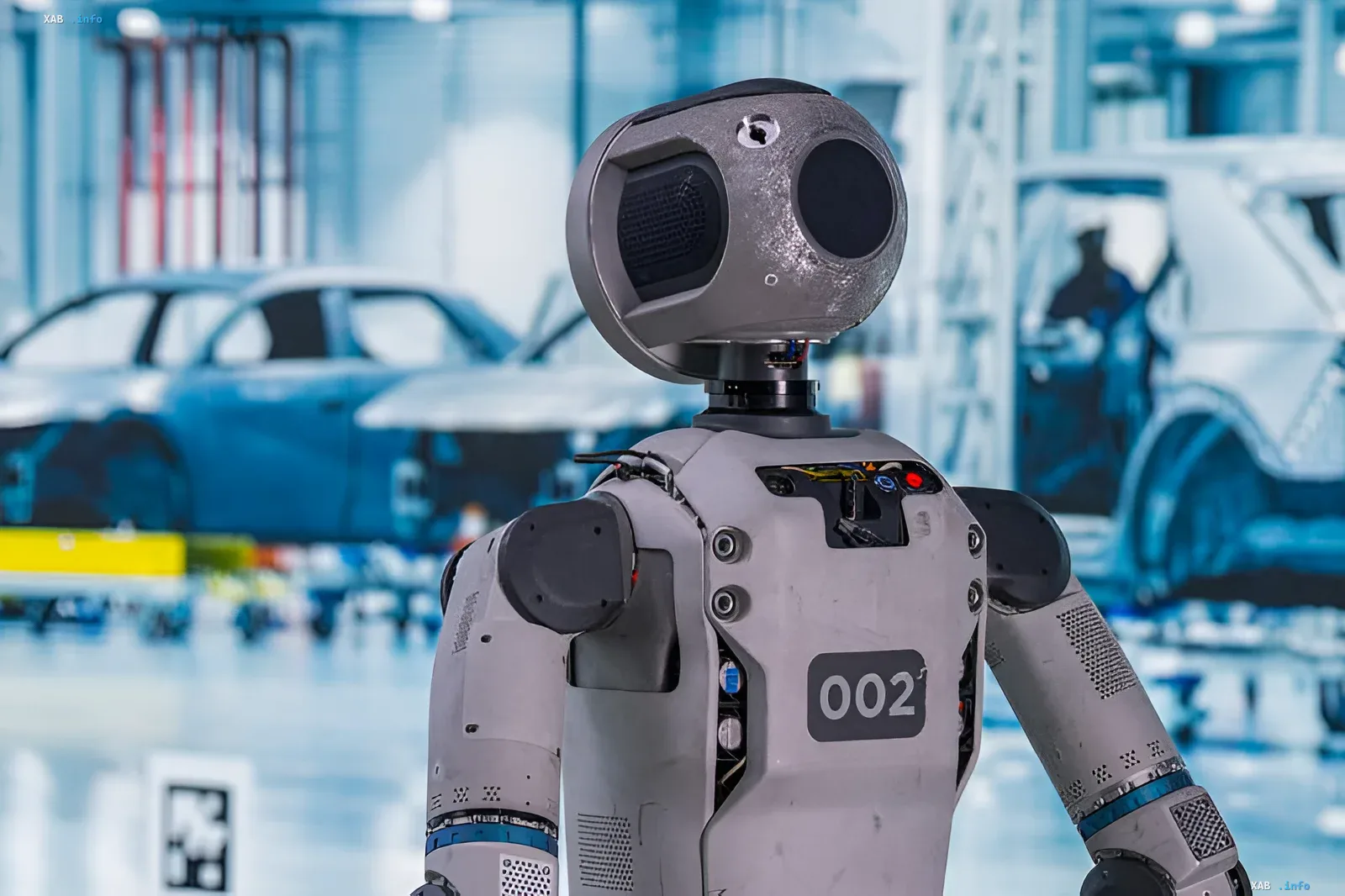
In January, Hyundai Motor introduced the Atlas robot to the public. The 188 cm tall machine, capable of walking and rotating its joints 360 degrees, impressed the audience. However, for tens of thousands of auto plant employees, this became a signal of alarm. The union reacted instantly and harshly: without the prior consent of the workers, the robot will never enter the production line.
This week, the threat turned into action. Workers refused to show up for a four-hour shift. Due to this partial production disruption, Hyundai risks failing to release 5,000 vehicles, and losses from reduced sales could amount to $134 million. This is the first time a production stoppage has been directly linked to the appearance of humanoid robots.
Political Context and Global Stakes
South Korea has not become the epicenter of this confrontation by chance. The rate of industrial robot adoption per capita in the country is more than six times the global average. President Lee Jae Myung openly supported robotization, stating that it is "impossible to avoid the giant chariot rolling forward".
This stance by the authorities has only fueled the activity of the Hyundai union, which unites 40,000 workers. Currently, global automakers are following the negotiations between the company management and the union. The outcome of the dialogue in Korea will serve as an indicator for Tesla, BMW, General Motors, Mitsubishi, Xiaomi, and other giants that also have robotization programs.
Development History and Implementation Plans
The Atlas robot was developed by Boston Dynamics. The first hydraulic prototype appeared ten years ago. In 2021, Hyundai acquired 80% of the developer's shares to adapt the robot for industrial tasks. In June, the company bought the remaining stake from SoftBank, fully securing its rights to the project.
Although the exact dates for the implementation of Atlas at plants in South Korea are not specified, it is known that in 2028, robots will begin working at the new Metaplant in the state of Georgia (USA). Notably, there is no union there. The cost of one robot is estimated at $130,000, but savings on costs will allow it to pay for itself within two years.
Unprecedented Worker Demands
In response to the threat of automation, the union put forward a number of demands aimed at protecting their interests in the age of AI:
- Transition from hourly wages to a fixed salary size to prevent a reduction in working hours.
- Increasing the retirement age by five years — to 65 years.
- Employment guarantees related to the introduction of artificial intelligence.
- Increase in bonus amounts, motivated by the company's income growth due to the AI boom.
Negotiations last week collapsed, leading to the strike. Hyundai management stated its readiness for constructive interaction and the development of an agreement supporting the long-term interests of both sides. Experts note that there is already a positive precedent in France: Renault management agreed with unions on mandatory retraining for employees affected by robotization. Now the whole world waits to see if Hyundai can find a similar compromise.