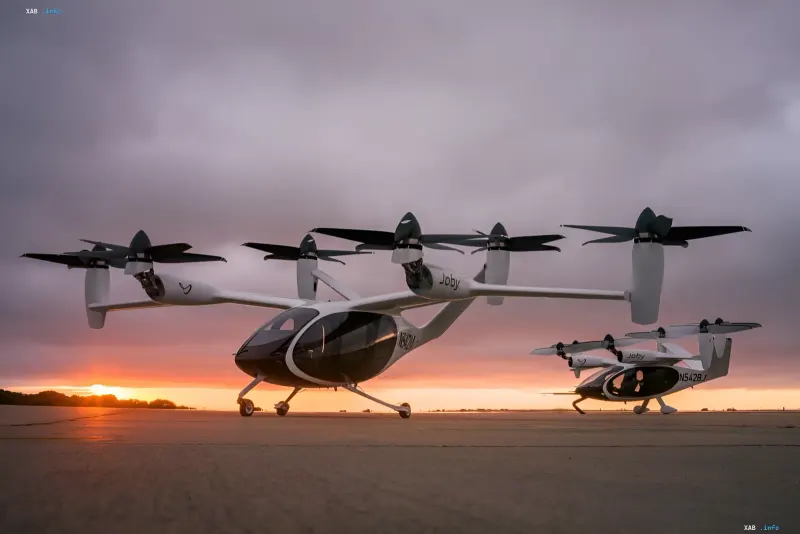
Florida has made an unprecedented decision that could reshape urban mobility in the United States. Regional authorities have decided to redirect nearly $200 million in federal funding, originally allocated for electric vehicle charging infrastructure, toward the creation of a network of landing pads for electric air taxis. Funds from the National Electric Vehicle Infrastructure (NEVI) program will be used to build 32 specialized landing sites equipped with charging stations for vertical takeoff and landing (eVTOL) aircraft.
Shift in Priorities: From Cars to Helicopters
The funding arrived in the state under the NEVI program, established based on the U.S. bipartisan infrastructure law. Initially, these funds were intended for developing a charging network for ground transportation. However, Florida officials stated that the private sector has already ensured sufficient development of charging infrastructure for electric vehicles and decided to use the budget more effectively.
The Florida Department of Transportation has revised its plans and is now focused on building infrastructure for electric air taxis. According to the project, sites with charging stations will be located in strategically important points: near golf clubs, in elite residential complexes, and on airport grounds.
Legal Basis and New Rules
This radical shift in direction became possible after the Donald Trump administration updated the NEVI program rules. New requirements allowed states that had already built full-scale charging corridors for cars to direct remaining funds to "charging infrastructure for electric vehicles on any public roads or other publicly accessible facilities."
It is precisely this wording that provided the legal basis for considering eVTOL landing pads as part of publicly accessible infrastructure funded by the federal budget.
Project Goals and Challenges
Florida authorities expect that the introduction of small electric aircraft with a capacity of 4–5 passengers will help reduce the load on the state's congested roads. According to the Miami Herald, the future network will focus on short urban routes connecting key infrastructure facilities.
However, the eVTOL air taxi industry itself is still in its early stages of development. While several startups are actively working on creating serial electric aircraft, some companies have already begun shifting their focus toward defense applications, creating certain uncertainty for civilian transportation.