The US is on the verge of a major reform in the field of commercial spaceflight. The Department of Transportation has put forward a proposal for discussion that could radically change the rules of the game for space startups and industry giants. At the center of attention is the exemption of launch, vehicle return, and spaceport construction licensing from the requirements of 13 federal laws.
Administrative relief for speed
The essence of the initiative is to remove bureaucratic barriers that, according to the department, no longer correspond to modern realities. The list of laws to be excluded from the mandatory review list includes the fundamental National Environmental Policy Act (NEPA). Officials claim that current procedures have become excessive and do not directly contribute to the protection of public safety, property, and national interests.
The proposal is based on an executive order by President Donald Trump, signed in August 2025. The document is aimed at maximizing the reduction of administrative obstacles for the development of private space. Furthermore, the Department of Transportation cites a 2025 US Supreme Court ruling that narrowed the scope of NEPA, limiting it to only the direct consequences of projects.
Industry support and business arguments
The space industry welcomed the news with enthusiasm. Industry representatives have long complained that environmental assessments and report preparation require colossal amounts of time and money, but practically never become the real reason for the rejection of projects.
The Commercial Space Federation noted that the proposed changes would become a catalyst for growth. In their opinion, accelerating licensing will allow the industry to respond faster to growing demand and increase the frequency of commercial launches.
Environmental protest and legal risks
However, the initiative has sparked sharp criticism from environmental organizations. Activists point out that weakening control will affect not only NEPA but also other key acts, including the Endangered Species Act, the Clean Water Act, and the Clean Air Act.
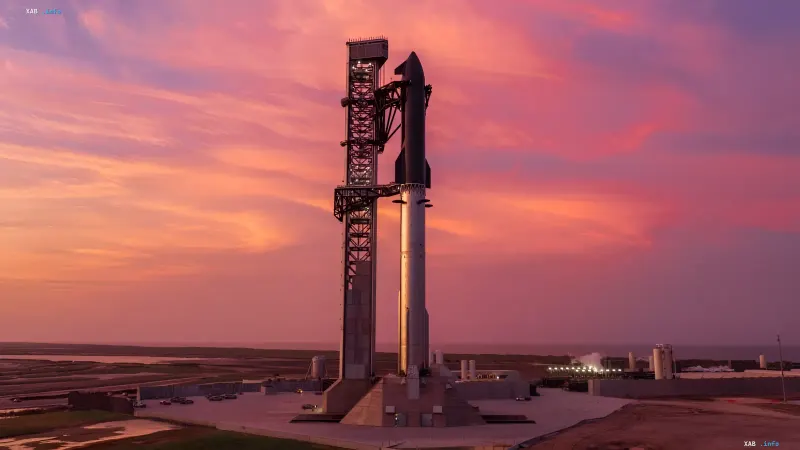
The Center for Biological Diversity has already warned of the risks. The organization, which is currently involved in a legal dispute over land swaps near SpaceX's Starbase launch site in Texas, stated that repealing environmental requirements could significantly undermine the protection of natural areas during the expansion of space infrastructure.
Deadlines and adoption procedure
The draft document was published on July 30. It is currently in the 30-day public comment period. Based on the results, the US Federal Aviation Administration (FAA) will review all received comments and make a final decision on the fate of the initiative.