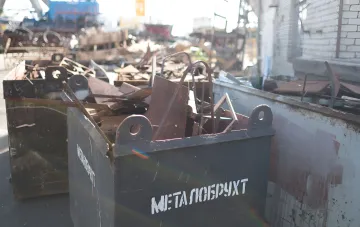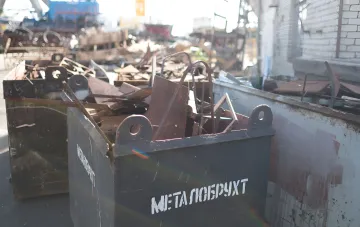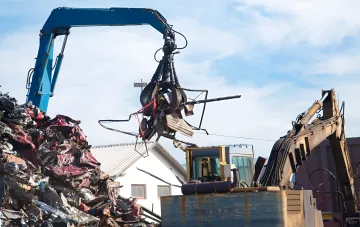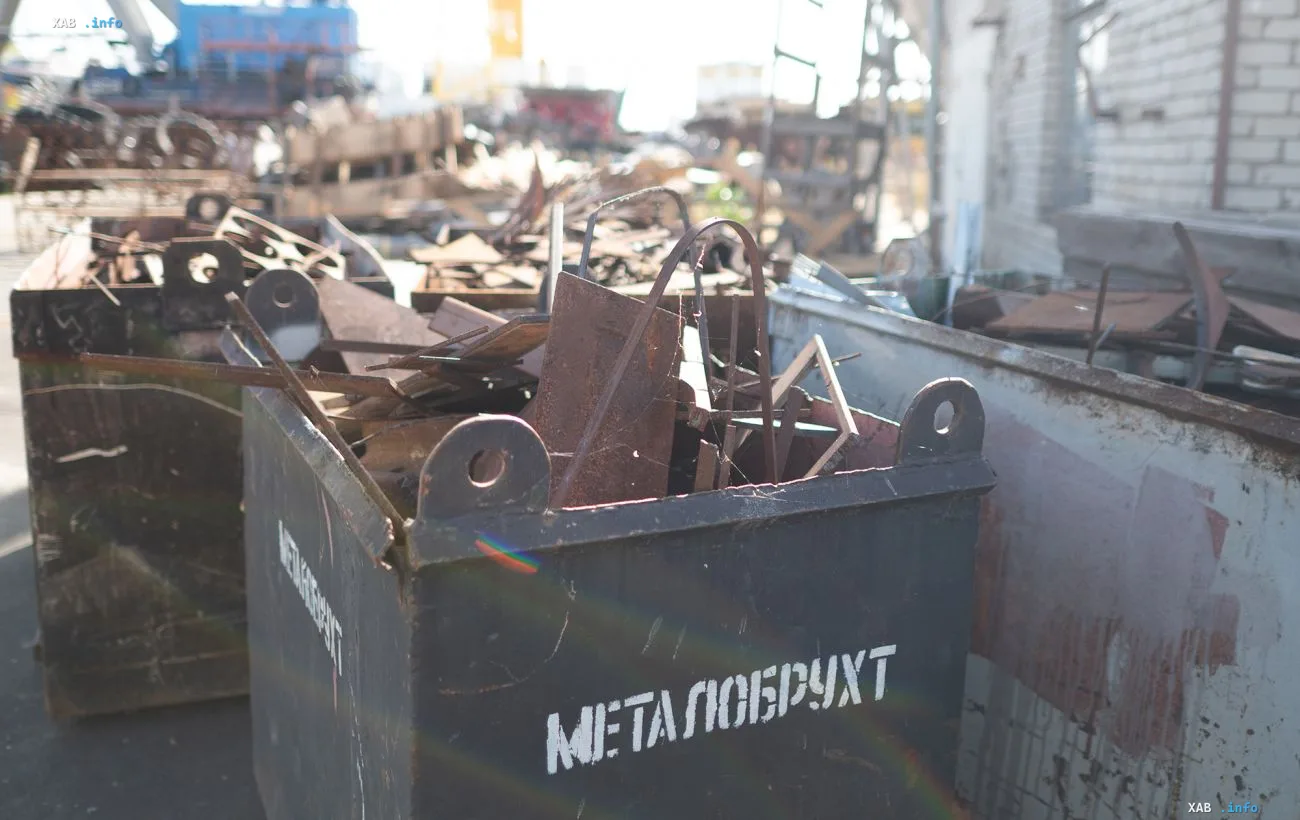
The Federation of Metallurgists of Ukraine (FMU) has taken a principled stance on the issue of ferrous scrap export: the industry considers it premature to lift the zero quota until the state creates a legislative model that guarantees a real fiscal effect for the budget and protection of the domestic market. This is reported by RBC-Ukraine and "Obozrevatel," citing a statement by the Federation made against the backdrop of a discussion about the fate of export restrictions in force since the beginning of 2026.
Zero quota and the collapse of the duty rate
Currently, Ukraine has a zero quota on ferrous scrap export — the Cabinet of Ministers has restricted shipments of raw materials abroad for the entire year of 2026, citing the needs of domestic enterprises for raw materials to produce defense products, restore infrastructure, and serve the domestic market. At the same time, there was a sharp revision of the export duty: the rate of 180 euros per ton, in effect for ten years, expired, and from September 16, 2026, the tariff returned to the baseline level — 10 euros per ton. According to the metallurgists' assessment, it is precisely under such conditions that opening export is unacceptable: "The position of metallurgists is unambiguous: export cannot be opened until the duty issue is settled," the FMU statement emphasizes.
Fiscal mathematics: processing versus direct export
A separate block of the Federation's argumentation is built on the economic difference between direct scrap export and its processing within the country. According to industry calculations, processing one ton of scrap into metal products provides about 15,000 hryvnias in taxes and fees, as well as around 1,200 dollars in foreign currency receipts. Direct scrap export, however, generates only 250–350 dollars in foreign currency revenue per ton with a significantly smaller fiscal effect. Metallurgists note that previously significant volumes of Ukrainian scrap were supplied to EU countries on a preferential basis, which meant the state effectively did not receive the fiscal effect that the export of strategic raw materials could have provided. FMU insists: if the export duty mechanism is restored, it must actually be applied regardless of the destination country.
Military context and CBAM prospects
The Federation also draws attention to the fact that the current decline in domestic scrap consumption should not be viewed as a long-term trend. Ukrainian metallurgical enterprises in 2026 continue to be subjected to Russian attacks and are forced to reduce production volumes; however, after the recovery of capacities, demand for raw materials is forecast to return, according to industry projections. Moreover, FMU forecasts a growing role of scrap in the metallurgy's raw material base due to the industry's decarbonization processes and adaptation to the CBAM mechanism (the EU carbon tax on imports), since secondary raw materials have a lower carbon footprint compared to primary smelting.
Contradictory data
A sharp internal discussion has developed in the industry, in which the positions of two groups directly contradict each other. On the one hand, the Federation of Metallurgists demands to maintain the zero quota and not open export until an effective export duty working for all directions is legislatively restored. On the other hand, representatives of the scrap collection industry recently publicly called for opening scrap export, specifically to EU countries. According to RBC-Ukraine, before the ban was introduced, most Ukrainian scrap went to Poland, and from there to Turkey, without paying a duty; meanwhile, only 104 hryvnias of taxes per ton of exported raw materials returned to the budget. Thus, scrap collectors are interested in resuming shipments to the EU, while metallurgists see this as a threat to the state's fiscal interests and the raw material base of their own production. The difference in fiscal effect estimates — from 104 hryvnias per ton under preferential export via Poland to 15,000 hryvnias under domestic processing — is a gap of more than 140 times, which makes a compromise between the two groups extremely difficult.
What's next
"We are not against export. It is only a matter of the sequence of decisions: first, the state must legislatively restore an effective export duty that works for all directions, and only then can the zero quota be reconsidered," FMU summarizes. Thus, the key condition for the possible lifting of restrictions becomes the adoption by the Verkhovna Rada of the relevant bills on raising and unifying the export duty on scrap. Until that moment, according to the metallurgists' position, the zero quota remains a tool for protecting both the budget and the domestic market of strategic raw materials.