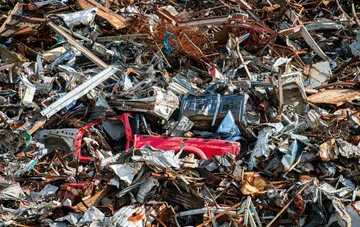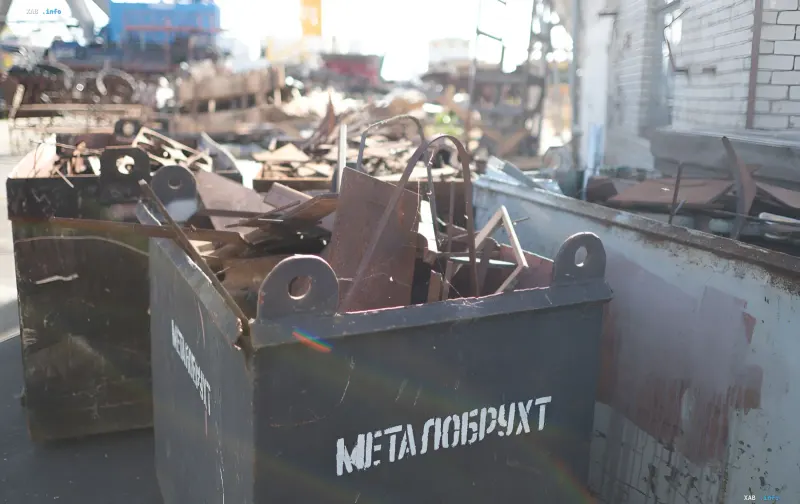
Representatives of big business in Ukraine have made an official appeal to the Cabinet of Ministers and the Ministry of Economy demanding the preservation of strict restrictions on raw material exports. Specifically, the European Business Association called on the government to keep the zero quota on scrap metal exports in force for the entire year of 2027. This measure is viewed by industrialists as a key tool for protecting the domestic market and ensuring the raw material security of domestic metallurgical enterprises amid ongoing crises and logistical challenges.
Arguments in Favor of Maintaining Restrictions
The business community's position is based on the strategic importance of domestic scrap metal processing for the country's economy. The EBA emphasizes that deep processing of raw materials within the state creates high added value, supports stable public employment, and ensures regular tax revenues for the state budget. Furthermore, keeping raw materials inside the country guarantees the uninterrupted operation of Ukrainian steel producers and finished metal products, which is critically important for infrastructure reconstruction.
Particular attention in the appeal is paid to environmental aspects and international obligations. The use of scrap metal in production cycles directly contributes to lower energy consumption and a significant reduction in carbon dioxide (CO₂) emissions during steelmaking. This factor becomes especially relevant in the context of the European Union introducing the Carbon Border Adjustment Mechanism (CBAM), compliance with which will become a mandatory condition for the successful export of Ukrainian metallurgical products to European markets.
Alternative Scenarios and Financial Risks
As an alternative scenario in case the zero quota is lifted, the association insists on introducing a prohibitive export tariff. The proposed fee should be set at 180 euros per ton of raw material for all export destinations, with mandatory consideration of Ukraine's current international agreements and obligations. Without such measures, the state budget risks facing colossal losses, given the experience of previous periods when raw materials were massively exported bypassing existing fiscal barriers.
Controversial Data
While major producers and metallurgists insist on strict prohibitive measures, scrap metal exporting companies hold a diametrically opposed view. Representatives of the export segment declare the need to revise current restrictions, citing a drop in the income of procurement enterprises and the loss of external sales markets. Previously, this discussion escalated into open confrontation, including protests outside the Office of the President, where traders demanded the liberalization of export policy. In turn, supporters of the zero quota refer to official data showing that in 2025 the budget lost at least 3 billion UAH due to grey export schemes through EU countries, and with open borders, potential losses could rise to 5 billion UAH.