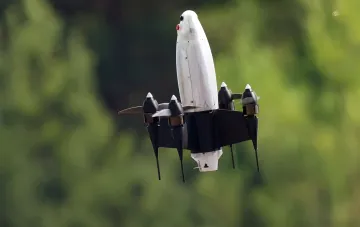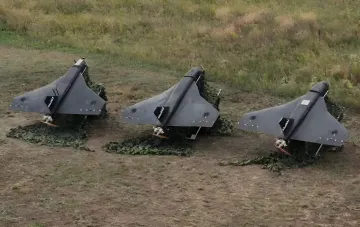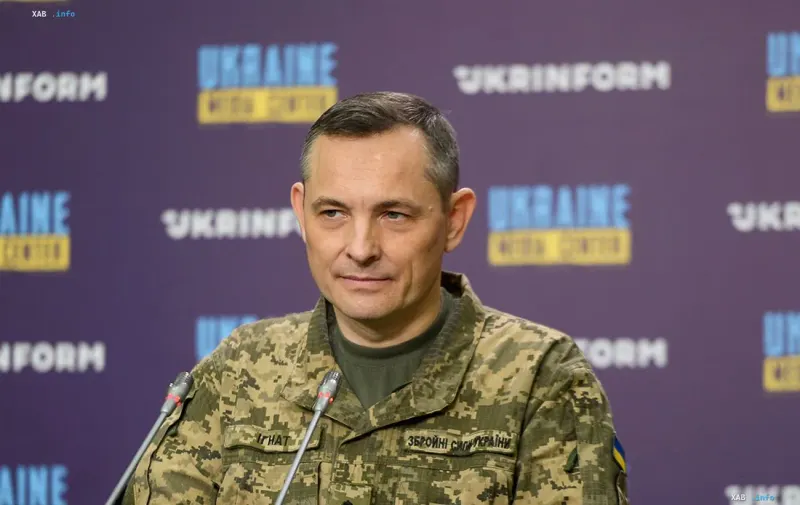
The interception efficiency of enemy jet-powered drones reaches up to 85 percent in certain cases, but overall air defense performance heavily depends on the intensity of attacks, missile reserves, and weather conditions. This was stated by Yuriy Ignat, Head of Communications for the Air Force Command, during the RBK-Ukraine podcast 'TSE BAZA', emphasizing the crucial role of fighter aviation in repelling air strikes.
Impact of weather conditions on air defense operations
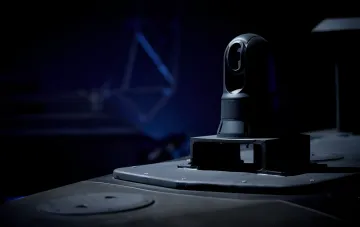
Achieving a 100 percent destruction rate of aerial targets in current realities is extremely difficult due to the massive nature of strikes, a shortage of anti-aircraft missiles, and unfavorable weather. Dense fog, low cloud cover, and precipitation directly affect the combat capability of units, as most interceptors rely on visual contact. Guidance via cameras with optics or laser modules requires a direct line of sight to the target for both ground crews and mobile platforms.
Limitations for the enemy and drone deployment tactics
Despite the difficulties for defense forces, difficult meteorological conditions create serious obstacles for Russian operators as well. If a drone is controlled via communication channels or specialized mesh networks, the operator needs visual information to adjust the flight path. Descending in altitude to improve visibility in foggy conditions does not always yield results due to terrain limitations and control constraints, while launching solely by coordinates reduces overall strike accuracy.
Structure of interception forces and the role of aviation components
Fighter aviation remains the primary means of destroying jet UAVs, capable of rapidly reaching interception lines. At the same time, army aviation, particularly helicopters, demonstrates high effectiveness in combating standard piston-type drones. Such a multi-layered structure helps maintain high interception rates even during periods of difficult weather anomalies.
Significance of weather and resource factors in current conditions
The situation analysis shows that the success of air defense is determined by the balance between technical equipment and external factors. Achieving interception rates of up to 85 percent confirms the high combat capability of Ukrainian crews, yet resource shortages and weather remain key challenges. Future developments depend on the supply volumes of modern anti-aircraft systems and missile armament.