On November 4, the French Public Health Agency (Santé publique France) published an updated epidemiological surveillance report on mosquito-borne diseases. As of November 2, the country has registered 208 cases of local transmission of chikungunya, linked to 30 outbreaks in various regions. Compared to the previous report dated October 28, the figure has increased by three cases and one transmission outbreak. The number of patients in each outbreak varied from one to 36 individuals.
Scale and Geography of the Epidemic
Chikungunya infection cases have been recorded in several regions of southern and southwestern France, including the Tarn, Lot, Gard, Gironde, Landes, and Pyrénées-Atlantiques departments. The disease has also appeared in the Île-de-France region, covering the Val-de-Marne and Seine-Saint-Denis departments in the Paris metropolitan area, as well as in the Var and Drôme departments in the country's southeast. Of the 30 registered outbreaks, 13 have been officially closed, while the status of 17 remains uncertain, which specialists assess as an indication that the risk of disease transmission persists even with the approach of autumn.
Morbidity Dynamics
According to French health authorities, the number of chikungunya cases classified by symptom onset time gradually increased from the beginning of July, peaked in mid-September, and then showed a downward trend. At the same time, data for recent weeks, as stated in the report, are still being updated and finalized. In total, for all mosquito-borne diseases, France has registered 35 local transmission cases — one case more than a week earlier.
Dengue Fever and Imported Cases
In addition to chikungunya, France has recorded five local outbreaks of dengue fever with a total of eight cases, unchanged from the previous week; four of these outbreaks have concluded, and the cause of one is still being determined. Separately from domestic infections, the agency will account for 165 cases of chikungunya, 479 cases of dengue fever, and 17 cases of Zika virus infection imported from abroad during the enhanced surveillance period from May 1 to November 1.
Prevention and Surveillance Mechanism
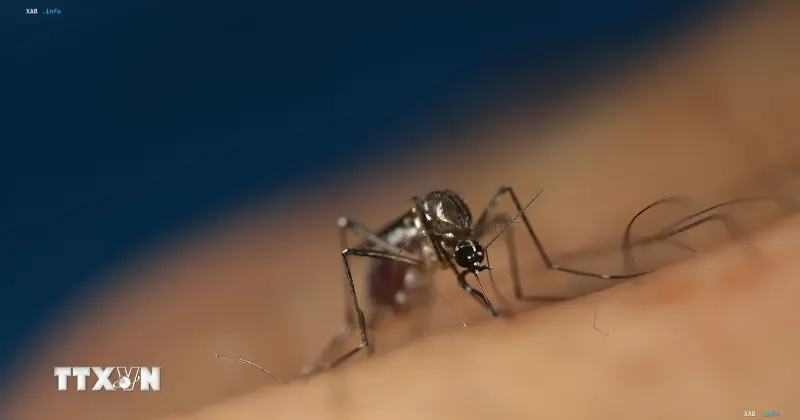
Chikungunya is a viral disease transmitted to humans primarily through the Asian tiger mosquito of the genus Aedes; infected individuals typically experience high fever, joint pain, and fatigue, and persistent joint pain may continue after the acute phase. The agency reported that epidemiological studies, observation, and vector control are ongoing in high-risk areas. Residents are advised to avoid mosquito bites, remove standing water containers, and seek medical assistance if relevant symptoms appear. In France, an enhanced epidemiological surveillance mechanism for mosquito-borne diseases operates annually from May 1 to November 30, and the continuous registration of local transmission cases underscores the need to maintain preventive measures even as the peak mosquito activity season comes to an end.