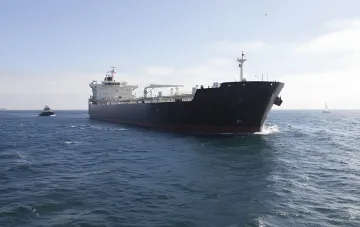
The French Navy conducted a high-profile operation in the Indian Ocean, intercepting a large oil tanker suspected of belonging to the so-called Russian shadow fleet. French President Emmanuel Macron officially announced the special operation, emphasizing Paris's principled stance on ensuring strict compliance with international maritime law and halting any attempts to bypass current sanctions. Such actions demonstrate the readiness of Western allies to act far beyond European territorial waters to combat illegal energy transport schemes.
Operation details and context of the vessel's detention
The incident occurred on the morning of Monday, October 12, 2026, far from the European continent—more than 450 nautical miles south of Réunion Island, an overseas department of France. The detained vessel, identified as the tanker DF Peak, was sailing under false or dubious registration flags, according to French authorities, which is a classic tool for concealing real beneficiaries and routes for transporting sanctioned oil. Amid tightening global control over maritime raw material transport, such brazen maneuvers are increasingly coming under the radar of the world's leading intelligence agencies.
Connection to Sovcomflot and sanctions status
According to analytical data from the War&Sanctions portal, overseen by the Main Intelligence Directorate of the Ministry of Defense of Ukraine, the tanker DF Peak is directly linked to the structures of the Russian shipping giant Sovcomflot, which is subject to severe international sanctions. The vessel specializes in crude oil transportation and is already blacklisted by the US, Canada, the UK, Japan, Switzerland, and the European Union. Previously, according to independent investigations, this ship was named Kaliningrad, further confirming the use of renaming and jurisdictional shifts to mask assets.
Controversial data
While official French figures and Ukrainian intelligence focus on illegal fuel transport and the use of false flags to bypass the embargo, the Russian side and related monitoring resources traditionally attempt to dispute the legality of such interventions in international waters. Discussions arise regarding the legal grounds for inspecting vessels that do not enter the territorial waters of the detaining state, but Paris insists that the operation is entirely based on the norms of international maritime law regarding the fight against piracy, illegal trade, and sanctions violations.
Global consequences for the Russian shadow fleet
Experts note that the detention of the DF Peak tanker is a logical continuation of Western countries' hardline approach to closing loopholes that allow Moscow to continue exporting energy resources despite the embargo. Notably, at the end of August, a similar incident occurred in Albania when the Port of Durrës refused to accept the HANUMAN oil tanker, which had been in Ukrainian intelligence databases since the beginning of the year. Furthermore, the UK recently imposed sanctions on another group of vessels, including two new LNG tankers, confirming the formation of a systemic international front against the Kremlin's shadow logistics.