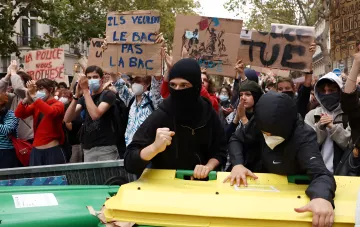
On Saturday, October 17, 2026, France witnessed one of the largest protest days in recent years. According to the Ministry of Interior, at least 550,000 people took to the streets, including 110,000 gathered in Paris. Organizers claim a higher figure of 800,000 participants. The protests, which began as peaceful marches, escalated by evening into riots and looting in dozens of cities: a 19th-century town hall burned down in Limoges, protesters broke down the doors of the municipal administration in Marseille, and shops were looted in Strasbourg, Rouen, Nantes, Rennes, Toulouse, and other cities. Police detained about 400 people.
Who took to the streets and why
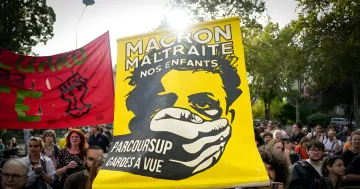
The core of the protests consisted of high school and university students, joined by Yellow Vest movement participants, trade union activists, and political figures. The youth demand allocating 10 billion euros to the high school system and abolishing Parcoursup, the state platform for university admissions. Simultaneously, a TikTok call spread to protest on October 17 against the high cost of living and rising fuel prices, which was picked up by Yellow Vest supporters. As a result, multiple social groups with different but overlapping demands took to the streets on this day.
From peaceful marches to riots
Minister of Interior Laurent Nuñez stated that ultra-left groups and "opportunistic criminals" who took advantage of the chaos were behind the riots. In Marseille, a crowd broke into the municipal administration building, after which they tried to block the roadway and attack a local police station. In Paris, protesters pelted the windows of the headquarters of the CNews TV channel, owned by media mogul Vincent Bolloré, with objects. In Rennes and Lyon, activists blocked several streets, and in Saint-Nazaire, a 14-year-old girl attempted to set a school on fire.
Casualties and incidents
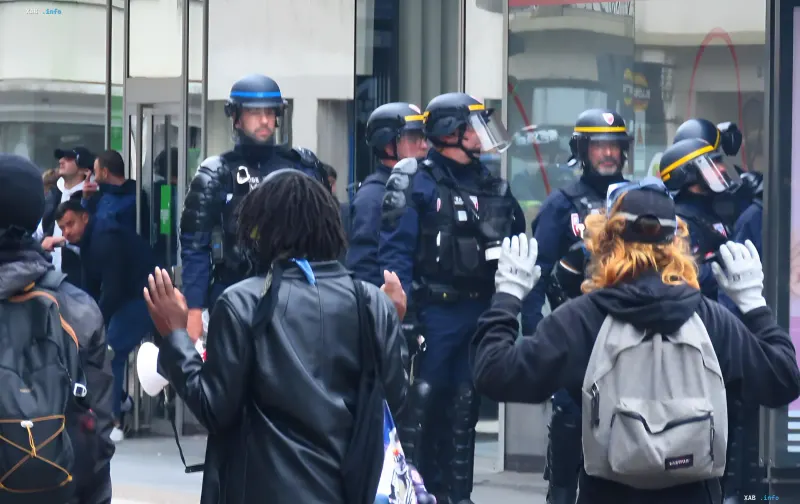
According to the Interior Ministry, 60 law enforcement officers were injured, two of whom were taken to the hospital unconscious. The most serious incident occurred in Saint-Étienne: a 17-year-old protester had his hand torn off by a police stun grenade that he picked up from the ground. The incident is being investigated by the police inspectorate. In total, about 400 people were detained.
Authorities' reaction
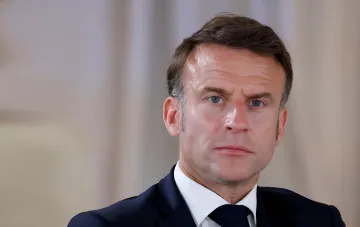
French President Emmanuel Macron stated: "Those who wreaked havoc, attacked prefectures and shops, and even looted town halls will be prosecuted and punished." Prime Minister Sébastien Lecornu convened a crisis committee, and Justice Minister Gérald Darmanin instructed prosecutors to seek the arrest of riot participants. Meanwhile, the authorities do not plan to declare a state of emergency.
Political reaction and background
The opposition is shifting the blame onto each other: France Unbowed leader Jean-Luc Mélenchon accused the police of "organizing the disorder," while Marine Le Pen blamed the most "unbowed" individuals in the crowd. Trade unions are calling for continued protests and have scheduled the next nationwide strike for November 5. The movement itself began in mid-September at a high school in Créteil, a suburb of Paris, where teachers and students protested against a lack of funding and teachers. At its peak on October 6, about 800 high schools were closed, and on October 13, 480,000 people took to the streets. The anger was further fueled by harsh police actions against students.