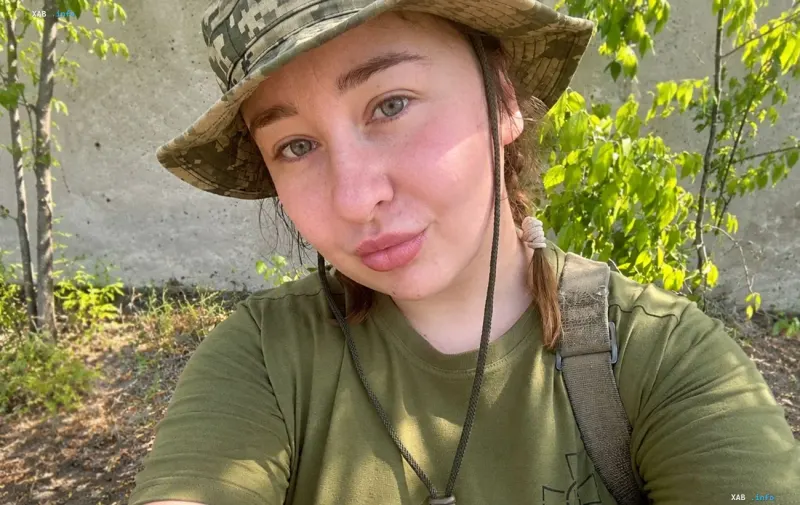
Alisa, a former employee of the National Police of Ukraine with a higher legal education, has decided to sign a contract with the Naval Forces of the Armed Forces of Ukraine and is mastering the specialty of an unmanned systems operator. Participating in the regional initiative 'Odeski Haivky', which introduces civilians to the realities of military service, helped her make this career decision.
The Path to Service Through Experience and Practice
Before making the final decision to enlist, Alisa worked as an investigator and graduated from the Odesa State University of Internal Affairs. According to her, military affairs were not entirely alien to her, as acquaintances and family members had prior service experience in the Armed Forces of Ukraine. However, taking the decisive step required a closer, first-hand understanding of the specifics of various military specialties.
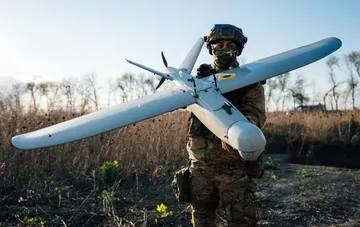
After learning about 'Odeski Haivky' through social media and recommendations from acquaintances, she decided to attend the event. The practical format of the training—which included engineering preparation, explosive demonstrations, shooting practice, and working with drones—helped her overcome final doubts. Direct communication with active-duty servicemen sharing their combat experience was of particular importance.
Choosing a Specialization and Completing Training
Initially, Alisa considered medical service, but eventually abandoned the idea due to the high moral strain. Given her technical aptitude and interest in computer technology, she chose unmanned systems, where she aims to develop professionally. She has currently completed basic general military training and officially assumed her position.
The 'Odeski Haivky' project is implemented through the joint efforts of the Public-Military Movement, the Naval Recruitment Center of the Ukrainian Armed Forces, and the Marine Corps Veteran Corps, with support from the 3rd Naval Recruitment Center. Fighters from the 801st Special Purpose Center of the Navy, unmanned systems units, and marine brigades served as instructors for the program.
Project Significance and Recruiting Prospects
During 2026, the project held five waves of events uniting more than 150 participants, concluding the season with a large-scale 'Wave of Unity' meeting. Organizers emphasize that the end of the current season does not mean the initiative is stopping, and training sessions will resume next year for new applicants.
Such initiatives play a vital role in military recruitment systems by giving civilians an opportunity to consciously approach the choice of an army profession. Alisa's story demonstrates how open dialogue with the military and practical acquaintance with weapons help transform interest into a real contract to defend the country.