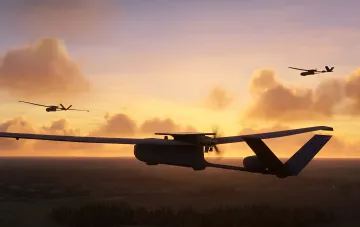
In the context of modern warfare, where technology changes the face of combat faster than regulations can be updated, the adaptability of commanders becomes the key factor for success. A striking example of such transformation is the 107th Territorial Defense Brigade of Ukraine. In a short period, the unit, which previously ranked 230th in effectiveness, surged into the top three among Territorial Defense Forces (TDF). The main driver of this success was the mass implementation of unmanned technologies and the creation of specialized units capable of delivering precision strikes and conducting real-time reconnaissance.
From Reconnaissance to Command: A Personal Story of Transformation
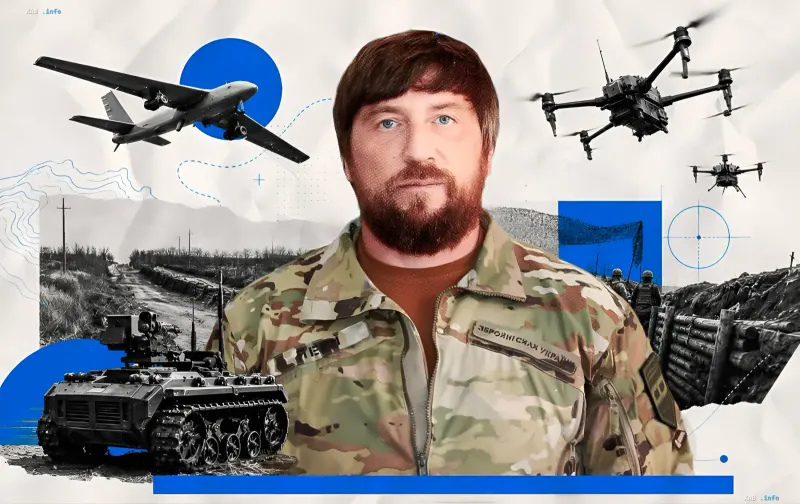
Commander of the 107th Brigade, Denis Perch, began his journey in the armed forces on February 24, 2022, like many of his compatriots. Initially, he ended up in reconnaissance, where he quickly realized that traditional methods of warfare were giving way to new realities. Already in 2023, while serving in a reconnaissance company, he created a UAV platoon for aerial reconnaissance. It was then that he realized the future belonged to drones. His comrade, Hero of Ukraine Bars, showed him an FPV drone simulator before the counteroffensive and warned: "Boys, get ready, the future is in this."
Under Bakhmut, Perch first applied FPV drones in combat. The results exceeded expectations: the losses inflicted on the enemy using drones were incomparably higher than those achieved by infantry. This became a turning point. Perch sent his soldiers for training, purchased, and personally assembled 30 FPV drone kits. Thus, the "Favorite" company was born, which later took second place in the "Delta" system among all defense companies.
Scaling Success: From Company to Brigade
When Denis Perch took command of the brigade, it ranked 230th in the "Delta" system for the number of strikes and 22nd among Territorial Defense Forces. Within one month of active work to strengthen the unmanned component, the brigade rose to third place among TDF forces and 56th among all defense force units. Perch worked actively with battalion commanders, most of whom were his friends and comrades with whom he had grown and developed together.
A key factor in success was not only the presence of equipment but also the understanding of the importance of the unmanned component at all levels of command. The brigade is expanding crews, staffing both official and unofficial groups, and increasing the number of drones. On those sections of the front where the brigade operates, the results are already visible: enemy positions are regularly struck, and reconnaissance is conducted with high precision.
Logistics and Supply: How the Brigade Gets Drones
The issue of supplying unmanned systems remains one of the most complex. The state allocates funds for the direct purchase of drones, while part of the resources come through the DOT-Chain system. The brigade plans purchases in advance based on losses from the previous month, which allows for a certain reserve of equipment. However, as Perch notes, the frequencies and parameters of FPV drones change so rapidly that constant on-the-fly adjustments are necessary. To this end, the brigade has created its own laboratories that make corrections to the drone's design and software.
In addition to state funds, the brigade uses resources from local self-government bodies, which allows for a flexible response to changes in the situation. This approach ensures a constant flow of new drones and allows for maintaining a high level of combat readiness.
Contradictory Data
In an interview with RBC-Ukraine, Denis Perch stated that the brigade ranks 56th among all defense force units. However, in other sources, including official reports from the Ministry of Defense of Ukraine, data on the brigade's ranking may differ. Some experts point out that the "Delta" system does not always accurately reflect the actual effectiveness of units, as it only accounts for the number of strikes, not their quality or strategic significance. Furthermore, there are opinions that some brigades may artificially inflate their indicators to receive more resources. Therefore, data on the ranking of the 107th Brigade should be viewed with reservations.
The Main Challenge: Enemy Drones on Fiber Optics
Despite successes, the brigade faces serious challenges. One of the main ones remains the enemy's use of fiber-optic drones, which are practically impossible to suppress with electronic means. Such drones are resistant to jamming and can deliver precision strikes against Ukrainian positions. Perch notes that this requires new solutions in the field of protection and countermeasures. Currently, the brigade is working on creating specialized groups capable of detecting and neutralizing such threats.
The Future: Ground Robots Instead of Armored Vehicles
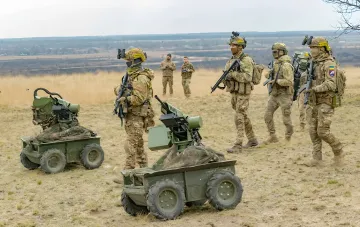
Perch is convinced that the future belongs to robotic complexes. Ground drones are already beginning to displace traditional armored vehicles on the front line. They are cheaper, more mobile, and less visible to the enemy. In the near future, the brigade plans to expand its fleet of ground robots and integrate them into combat formations. This will help reduce personnel casualties and increase the effectiveness of mission execution.