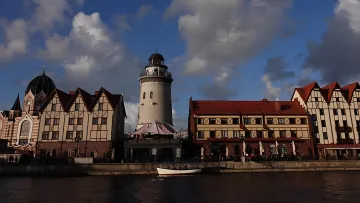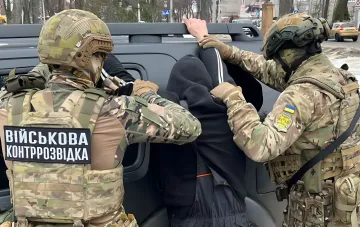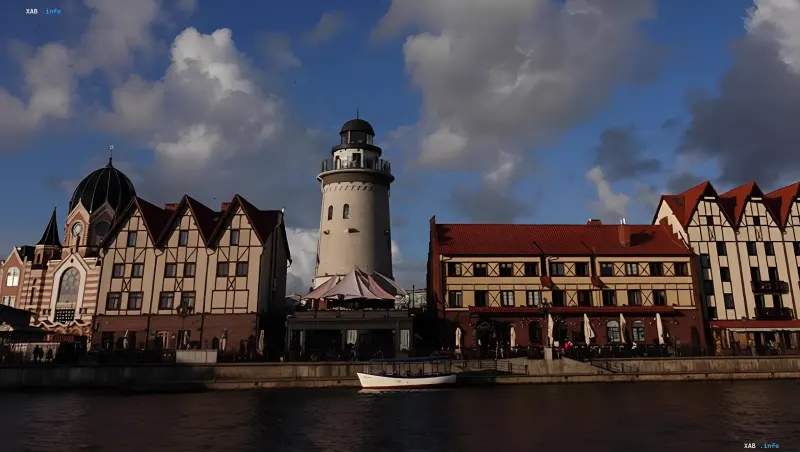
On Wednesday, November 11, Russia’s Federal Security Service (FSB) announced the detention of two individuals whom the agency describes as agents of Polish intelligence services in the Kaliningrad region. According to the FSB, the detainees were gathering and transmitting information about Russian military personnel and Ministry of Defense facilities, as well as the socio-economic, migration, and social situation in the region. Criminal cases on espionage have been initiated against them, and both have been taken into custody, according to a statement from the agency’s Public Relations Center.
Warsaw’s Reaction on Independence Day
The Russian agency’s statement came on Poland’s Independence Day and was met with sharp criticism in Warsaw. Jacek Dobrzyński, a spokesperson for Poland’s Minister-Special Services Coordinator, wrote on the social network X that the FSB message was “yet another provocation and an act of disinformation.” He stated that he does not comment on materials published by Russian intelligence services and urged the public “not to repeat this hostile narrative or play into the hands of Russian propaganda.”
Additional Restrictions for Polish Citizens
In addition to the detention of two individuals, the FSB statement outlines a broader package of measures. Seven Polish citizens and three Russian citizens have been issued official warnings regarding contacts with Polish special services; the specified Polish citizens have been banned from entering Russia for a long period. Furthermore, it was reported that in 2026, Russian visas of fourteen Polish citizens were canceled “for aiding Polish special services,” with six of them barred from entering Russia.
Context: Verdict in an Espionage Case
The incident occurs against the backdrop of a series of cases classified by Russian authorities as espionage on behalf of Poland. In August, the Moscow City Court sentenced a Russian citizen to 23 years in a penal colony on charges of spying for Poland. According to the investigation, the man traveled to Poland in 2022, where he contacted a military intelligence representative and transmitted data on weapons used by Russia in the war against Ukraine. In the summer of 2024, he went on a business trip to Uzbekistan, after which, according to Russian authorities, he was abducted and ended up in Russia.
Thus, the detention of the two individuals and the package of visa restrictions form a new round of mutual accusations between Moscow and Warsaw in the sphere of intelligence activity. The Russian side insists on the fact of espionage and the disruption of agent networks, while the Polish side rejects the content of the statement and qualifies it as informational pressure on a date of symbolic significance to Poland.