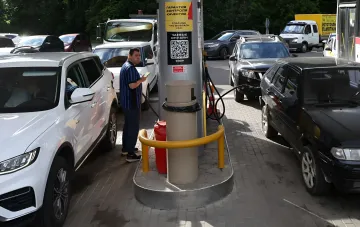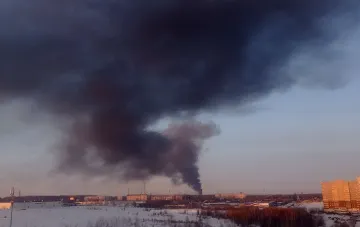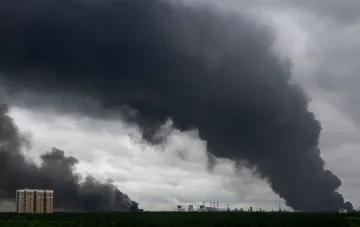
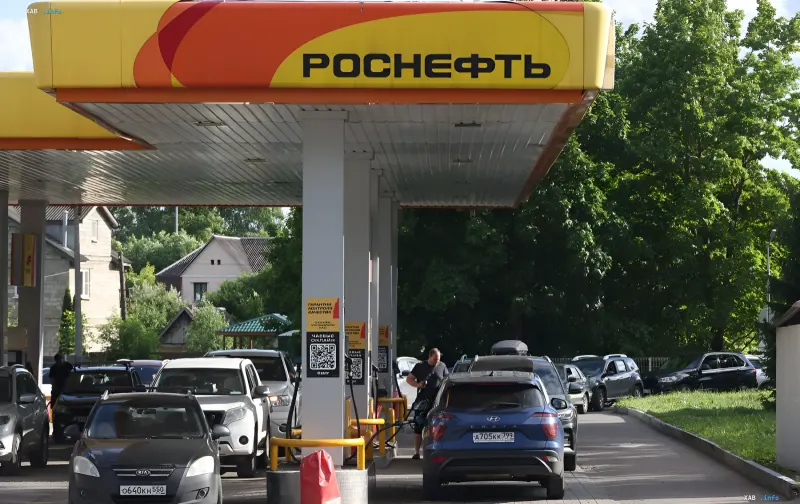
Russia is experiencing one of the most severe fuel crises in recent decades. The cause is systematic drone strikes by Ukraine on oil refining infrastructure, which have led to a sharp decline in production and a surge in gasoline and diesel prices.
Fuel Prices Hit Record Highs
According to data from the Federal State Statistics Service of the Russian Federation, between July 7 and 13, the average retail price of gasoline rose by 2.3% compared to the previous week, reaching 75.84 rubles per liter. Diesel fuel saw an even sharper increase — up 3.2% to 91.21 rubles per liter.
Since the beginning of the year, gasoline prices in Russia have risen by 16.4%, while diesel has increased by 18%, whereas official inflation stands at only 4.64%. This means that fuel price growth significantly outpaces overall inflation, placing additional pressure on the consumer market.
Ukrainian Strikes Paralyze Refineries
According to Bloomberg, oil refining volumes in Russia have fallen to their lowest level in over 21 years. Since May, Ukrainian forces have carried out more than 40 attacks on Russian fuel production facilities, hitting at least 23 of the country’s 34 major oil refineries.
The International Energy Agency reports that since early May, Ukrainian strikes have affected more than half of Russia’s refining capacity. In June, Russian refineries processed only 3.8 million barrels of oil per day — nearly one-third less than a year earlier.
Government Imposes Restrictions
Against the backdrop of high seasonal demand, the Russian government has almost completely banned exports of gasoline, diesel, and aviation fuel. Additionally, several regions have introduced rationing on fuel sales to prevent panic buying.
Currently, Russian refineries meet only about 65% of the country’s seasonal gasoline demand. The shortfall is due to Ukrainian drone strikes that have disabled several of Russia’s largest oil refineries.
Economic Consequences and Political Context
Fuel shortages are placing additional pressure on Russian authorities ahead of the parliamentary elections in September. The Central Bank of Russia has warned of rising inflationary risks due to reduced fuel production and a possible revision of monetary policy.
The Central Bank also noted that rising fuel prices are already affecting the cost of other goods and services, with the scale of this effect depending on how long the market shortage persists.
Recently, Russian leader Vladimir Putin acknowledged that Ukrainian drone strikes have caused “certain problems with oil products” in Russia. At the same time, he claimed that the situation is gradually being stabilized.