In the context of 2026, where the cost of energy resources remains a key factor in the family budget, the issue of fuel economy takes center stage. Many car owners mistakenly believe that gasoline or diesel consumption depends solely on engine characteristics and current gas station prices. However, as data from experts and mechanics shows, dozens of minor details affect this figure, which drivers often don't even think about. Some habits can 'eat' several extra liters per 100 kilometers, while other simple changes in behavior help save money without major investments.
Aerodynamics and Hidden Loads
One of the most invisible yet significant causes of excessive fuel consumption is the disruption of the car's aerodynamics. Even an empty roof box or luggage bars installed on the roof radically change the airflow around the body. At speeds over 80–90 km/h, air resistance grows exponentially, forcing the engine to work under increased load. According to studies, using such accessories can increase fuel consumption by about 5%, while a large roof box on the highway can increase it by up to 25%. Experts recommend removing them immediately after the trip or vacation ends.
It is no less important to monitor the contents of the trunk. For years, drivers travel with sets of old tools, jerry cans, boxes, or items that haven't been used in a long time. Extra tens of kilograms are not critical for a single trip, but over the course of a year, they gradually increase fuel consumption, creating a constant additional load on the transmission and engine.
Myths About Windows and Air Conditioning
The question of what is more economical on the highway — open windows or air conditioning — remains relevant. In the city, the difference is almost imperceptible, but at high speeds, open windows create significant air resistance. The engine has to work harder to overcome this barrier. Studies indicate that when driving on the highway with open windows, fuel consumption can increase by 4–8.5% in passenger cars. In such cases, turning on the climate control is often a more economical solution than driving with lowered windows.
Technical Condition and Fuel Quality
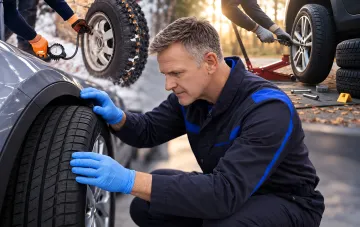
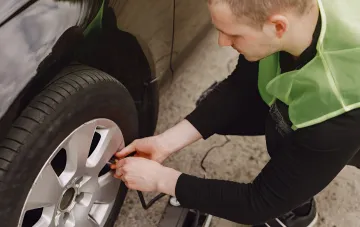
The technical maintenance of the car directly affects the driver's wallet. Even underinflated tires increase rolling resistance, forcing the engine to spend more energy. Regularly checking tire pressure is one of the simplest ways to regain economy. Furthermore, a clogged air filter hinders normal engine operation: due to lack of air, fuel burns less efficiently, and consumption gradually increases. This is one of the cheapest parts that can affect savings.
The quality of the fuel itself also plays a role. At large gas stations, fuel is constantly refreshed, so there is less risk of getting gasoline or diesel that has been stored in tanks for a long time. 'Old' fuel can negatively affect engine performance and its economy, so the choice of gas station matters.
Driving Style and Warming Up
Modern engines only need a few seconds after starting to reach operating mode. The habit of warming up the car for a long time at idle speeds dates back to the era of old carburetor cars. Modern engines warm up best while driving, provided you do not press the gas pedal sharply. It is also important to plan the route: if several errands can be done in one trip instead of three separate ones, costs will be lower, as a cold engine consumes more fuel.
Finally, driving style is crucial. If you see a red traffic light or a traffic jam ahead, it is better to take your foot off the gas pedal in advance rather than accelerating until the last moment. Every sudden acceleration requires extra fuel. Most passenger cars work most economically at moderate speeds. After approximately 100 km/h, fuel consumption begins to rise rapidly due to air resistance. The difference in arrival time is often just a few minutes, but the difference in costs can be significant.