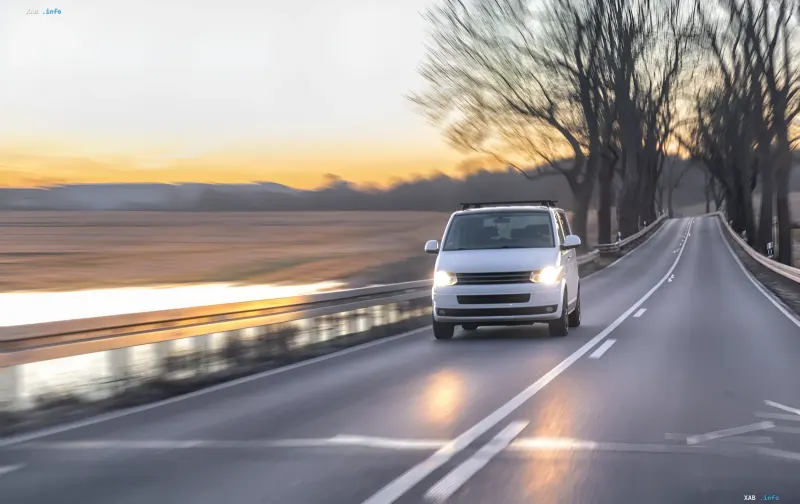
For the third consecutive year, Ukrainian drivers have been required to drive outside populated areas during daytime with low-beam headlights or daytime running lights turned on. While this rule was introduced to enhance road safety, the constant use of lighting devices in daylight has a flip side that motorists rarely think about.
Background and Global Practice
The main idea behind driving with headlights on during the day is better visibility of the vehicle on the road. Historically, Finland and Sweden were the first to introduce this innovation back in the 1970s, where weather conditions are often overcast. Studies have shown that cars with lights are less likely to be involved in certain types of accidents, and drivers' peripheral vision spots a moving object faster. Later, the European Union made it mandatory for manufacturers to equip new passenger cars with special daytime running lights.
Technical Consequences and Wear
Despite the undeniable safety benefits, constant headlight operation leads to a number of technical issues. Incandescent bulbs in headlights burn out about twice as fast under round-the-clock operation, requiring regular replacement and extra costs. In addition, the constant load on the car's electrical network can cause a small but real fuel overconsumption, although modern LED DRL systems practically negate this effect.
Contradictory Data
Discussions among experts and the medical community continue regarding the impact of constantly on headlights on road users' vision. Initially, doctors feared that bright headlights in the daytime could cause fatigue or damage to the retina of oncoming drivers. At the same time, large-scale studies dispelled these fears, proving that standard car headlights during brief visual contact do not cause direct harm to health, though they can cause temporary blinding on sunny road sections.
Conclusion and Recommendations
The rule of driving with lights on outside populated areas has proven its effectiveness, reducing multi-vehicle accidents by 5–15%. Drivers of cars without standard daytime running lights are recommended to keep spare bulbs in the glove compartment and anticipate increased wear of electrical equipment, balancing safety requirements with the technical condition of the car.