
On August 18, 2026, the Ukrainian fuel market is showing signs of temporary stabilization. While many drivers fear another price spike, several major networks have already announced a reduction in fuel costs. However, experts warn: the current calm may be deceptive, and new risks loom on the horizon that could push prices up again.
Price cuts and the current situation at gas stations
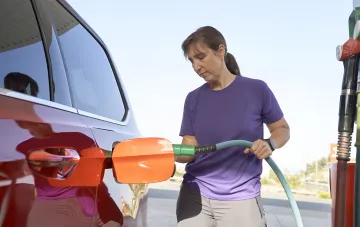
The most notable event in recent days was the decision by the SOCAR network to lower the cost of major fuel grades. NANO 100, NANO 95, and A-95 gasoline prices dropped by 2 UAH per liter immediately. This is a rare move for the current period, when prices most often only rise or remain fixed at peak levels.
As of August 18, A-95 gasoline at leading gas stations (OKKO, WOG, SOCAR) is holding in the range of 82.90–86.40 UAH/l. The leader in affordability remains Ukrnafta, where the cost per liter is 78.90 UAH. Diesel fuel varies from 89.90 to 98.90 UAH/l, and autogas — from 42.90 to 44.50 UAH/l.
Savings on a tank: the real difference for drivers
For the average consumer, the difference between networks is becoming noticeable. If we take a standard car tank with a volume of 50 liters, filling up with the most expensive gasoline (86.40 UAH) will cost 225 UAH more than filling up with the most budget option (78.90 UAH). In the case of diesel fuel, savings can amount to up to 300 UAH on a single fill-up. This forces drivers to monitor price maps more carefully and choose optimal routes.
Risk factors: weather and logistics
Dmytro Leushkin, founder of the Prime Group of Companies, notes that the market has currently stabilized, but predicting the situation until the end of August is difficult due to high volatility. The key factor remains logistics: the situation on the Danube and the possibility of increasing supplies through the southern direction will dictate the price in the coming weeks.
The weather factor is causing particular concern. The start of the hurricane season in the USA usually falls in September, but sometimes starts in late August. If hurricanes reduce oil shipments to Europe, this could sharply raise quotes, which will inevitably be reflected at Ukrainian gas stations.
Geopolitical context: the Middle East
The situation around the Strait of Hormuz, which previously caused panic, is now being perceived by the market more calmly. Saudi Arabia and the UAE are successfully using alternative routes and oil pipelines. Nevertheless, the threat remains: potential strikes on Saudi Arabia's oil infrastructure or oil fields could instantly disrupt the balance. As for Iran, the market does not currently expect short-term sharp changes from it.