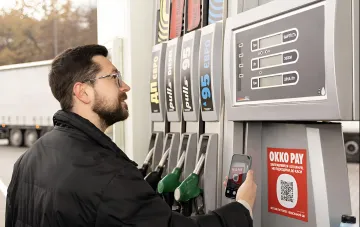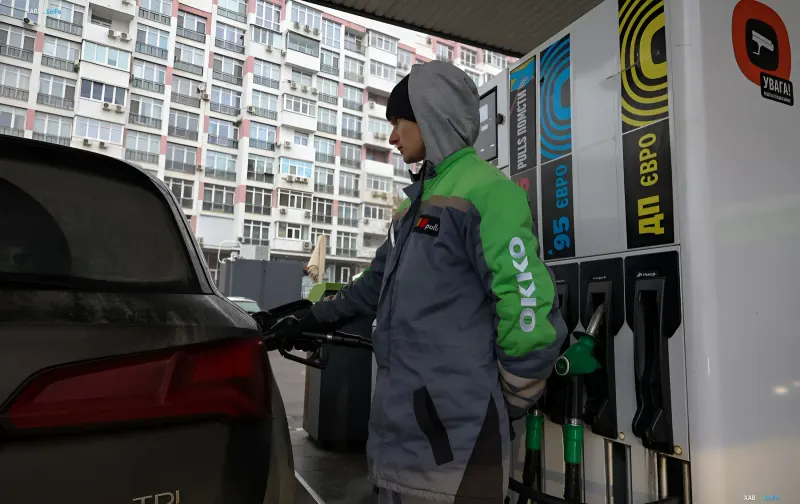
On October 16, 2026, the Ukrainian fuel market experienced another wave of price hikes covering virtually all leading gas station networks. According to RBC-Ukraine, the most noticeable changes once again affected diesel fuel and autogas, while basic grades of gasoline remained at their previous levels across most major networks. Thus, the gap between the cost of different fuel types on gas station boards continues to widen, with diesel and liquefied gas holding near historical highs.
Diesel fuel: new records at key players
Another increase was recorded among all major operators. At WOG stations, diesel (Mustang and Euro-5) rose in price by 1.60 UAH at once — to 103.90 UAH/l and 102.50 UAH/l respectively. Prices for diesel fuel increased by one hryvnia at OKKO (DP Pulls — up to 104.90 UAH/l), SOCAR (up to 105.00–106.00 UAH/l), Ukrnafta (up to 98.90–100.90 UAH/l), and UPG (upgDIESEL — up to 101.90 UAH/l). In fact, diesel is already trading steadily above the psychological threshold of 100 hryvnias per liter at most filling stations.
Autogas crosses the 50 hryvnia mark
A rapid price increase was also recorded for liquefied gas. At SOCAR, it rose by 2 hryvnias at once — to 50.90 UAH/l, and at WOG — by 1 hryvnia, to 50.50 UAH/l, thereby crossing the psychological mark of 50 hryvnias per liter. Ukrnafta raised its price by another 1 hryvnia — to 47.90 UAH/l. Thus, gas has become one of the fastest-growing market segments this week.
Gasoline remains unchanged for now
Despite the substantial rise in the price of diesel and gas, the cost of the basic A-95 gasoline grade remained at the previous level in most major networks. This creates a temporary contrast: consumers filling gasoline cars have not yet felt a new blow to their wallets, while owners of diesel vehicles and gas-powered cars face regular receipt increases.
Why fuel is getting more expensive
Fuel market experts attribute this dynamic to a combination of several factors. According to Prime Group head Dmytro Lyoushkin and A-95 consulting group director Serhiy Kuyun, the market is simultaneously pressured by geopolitical escalation around Iran and the blockade of the Strait of Hormuz, a shortage of petroleum products in the European market, Russia's ban on diesel exports, and active gasoline purchasing on the global market. The key mechanism is cited as wholesale prices exceeding retail prices: at the end of July, wholesale diesel skyrocketed to 93–95 UAH/l, forcing networks to build a new markup into retail prices. Additionally, as of early October, gas prices are influenced by decisions from Algerian suppliers, while the general background is affected by the deployment of strategic oil reserves and fluctuations in European exchange quotes.
What's next
The combination of factors — resource shortages, logistical restrictions due to attacks in the Black Sea, and the introduction of new environmental standards — indicates that pressure on retail prices will persist. Experts previously predicted that wholesale prices have already caught up or exceeded retail prices, pushing networks to further increase the cost of diesel and gasoline. Under such conditions, consumers should expect that the milestones of 100 hryvnias per liter of diesel and 50 hryvnias per liter of gas will become not a temporary peak, but a new norm on gas station boards.