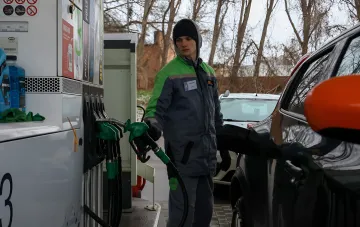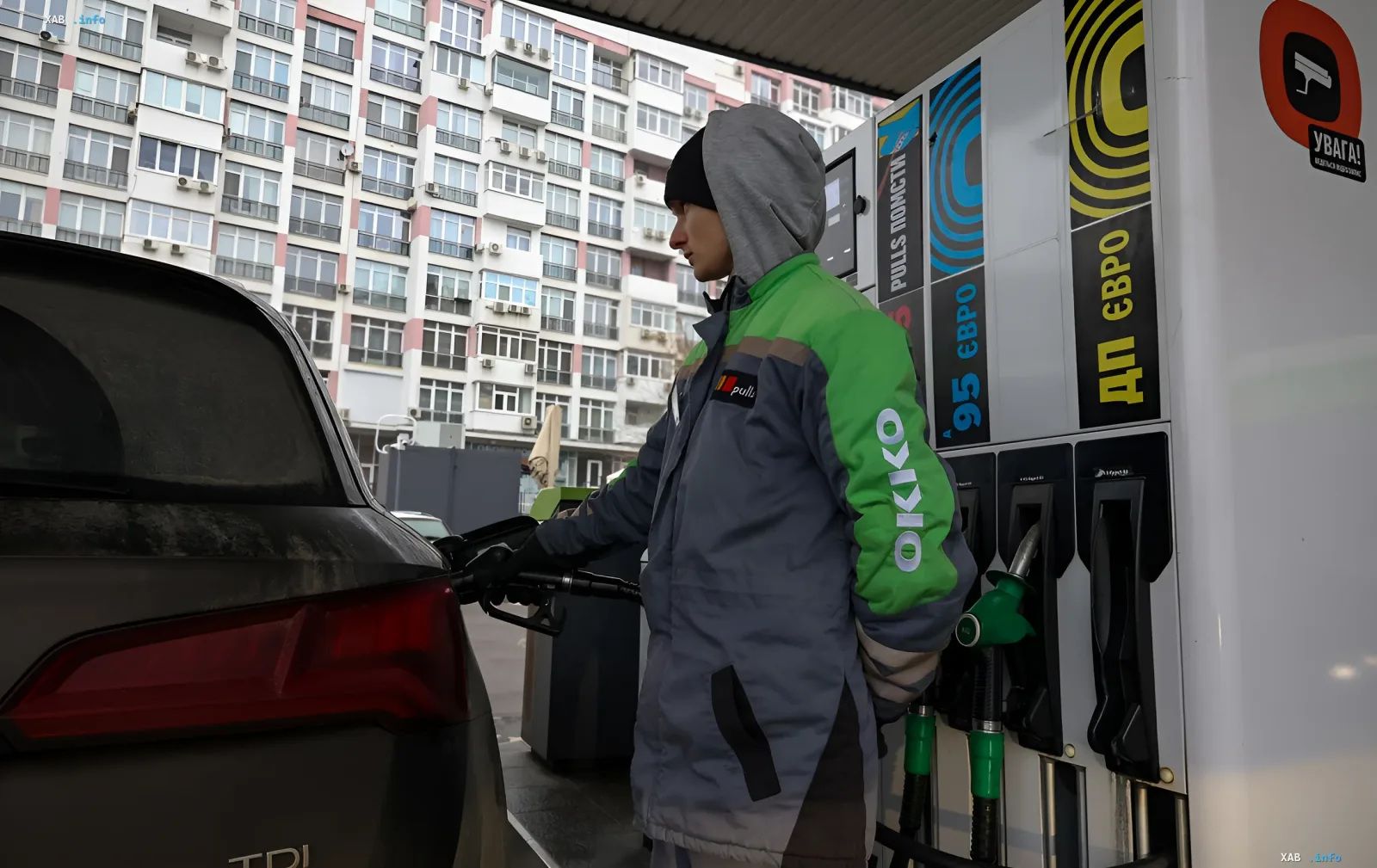
In the Ukrainian fuel market, October 8, 2026, is marked by significant dynamics in motor fuel costs. The primary focus of experts and car owners is shifted toward liquefied petroleum gas (LPG), which continues to show steady price increases. Despite relative stability in the gasoline and diesel segments, the situation at gas station displays remains extremely heterogeneous, highlighting the deep gap between various market players.
LPG Price Dynamics
Recent data indicates that the WOG gas station network has become the leader in price growth, raising LPG costs by 1 UAH to 47.90 UAH per liter. Other major players have also revised their price tags: Ukrnafta raised prices by 50 kopecks to 43.40 UAH/L, and UPG increased prices by 40 kopecks to 44.90 UAH/L. Meanwhile, OKKO and SOCAR maintain gas prices at the 46.90 UAH/L level, indicating different marketing strategies amid market pressure.
Price Gap Between Operators
One of the most notable October trends has been the widening gap in A-95 gasoline prices between premium networks and discounters. Specifically, at SOCAR, OKKO, and WOG gas stations, the price per liter of A-95 gasoline varies from 92.90 to 94.90 UAH. At the same time, at Ukrnafta and UPG gas stations, the same fuel is offered at 88.90 UAH per liter. The difference reaches up to 6 UAH, forcing consumers to plan their refueling routes more carefully.
Contradictory Data
Despite the general upward trend in gas prices, there are discussions regarding the sustainability of this growth. A number of analysts point to the potential impact of external factors, such as import quotes, but official reports for October 8 do not confirm a consensus on the duration of this price hike. While some sources record sharp changes, others note the preservation of a conservative pricing policy in regional networks, creating a conflicting picture for the consumer.
Expert Forecast and Context
The stability of gasoline and diesel at the current stage looks like an attempt by retailers to balance demand, which traditionally declines during the autumn period. However, the lack of price correlation between different networks indicates high volatility in supply chains and dependence on local fuel reserves. Market participants are advised to monitor price updates in operator applications, as the market situation can change throughout the day.